
The Right Way to Know When to Update Your Estate Plan
When to update estate plan? After a spouse dies, a Form 706 deadline controls portability. Ten triggers, scored, show what to fix first.

In This Article
Is your estate plan outdated? Start with your situation
A signed will can still be valid and still be wrong. What matters is what changed: who you married, who you named, what you own, and where you live.
Start where your situation fits
- Married, divorced, or remarried: points 1–2, then the document map.
- New child or grandchild: point 3.
- Moved, inherited, or bought a business: points 5–6.
- Health scare or retirement accounts: points 8–10.
What “outdated” means here
Your plan has three parts that can each go stale: the will or trust, beneficiary forms, and property titles. Many accounts pay whoever the form names, so assets that pass outside your will can undo a current will.
ℹ️ Financial Disclaimer: This article is general education about estate planning documents, beneficiary designations, federal estate and gift tax, and retirement-account distribution rules. It is not legal, tax, or investment advice, and state law varies. Before changing a document, form, or title, consult an estate planning attorney licensed in your state, a CPA, or a fiduciary financial advisor.
How often should you update your estate plan?
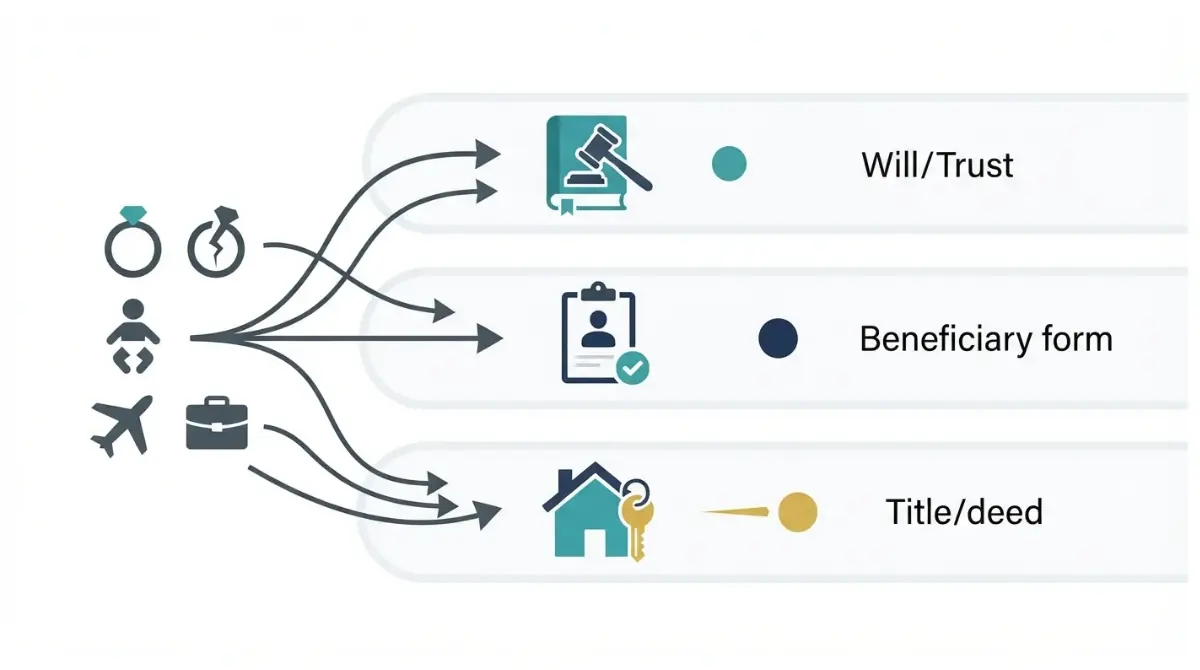
There is no legal expiration date for an estate plan. Review it after major life changes (marriage, divorce, a birth, a death, a move, or a large change in what you own) and otherwise every few years.
Does an estate plan expire?
Not on a date. Published guidance on how often to review varies, which is why triggers matter more than a calendar.
What actually goes out of date
Three things drift on their own schedules: your will or trust, the beneficiary forms on accounts, and the titles on property. Updating one doesn’t update the others, so check all three.
The 10-point estate plan self-check
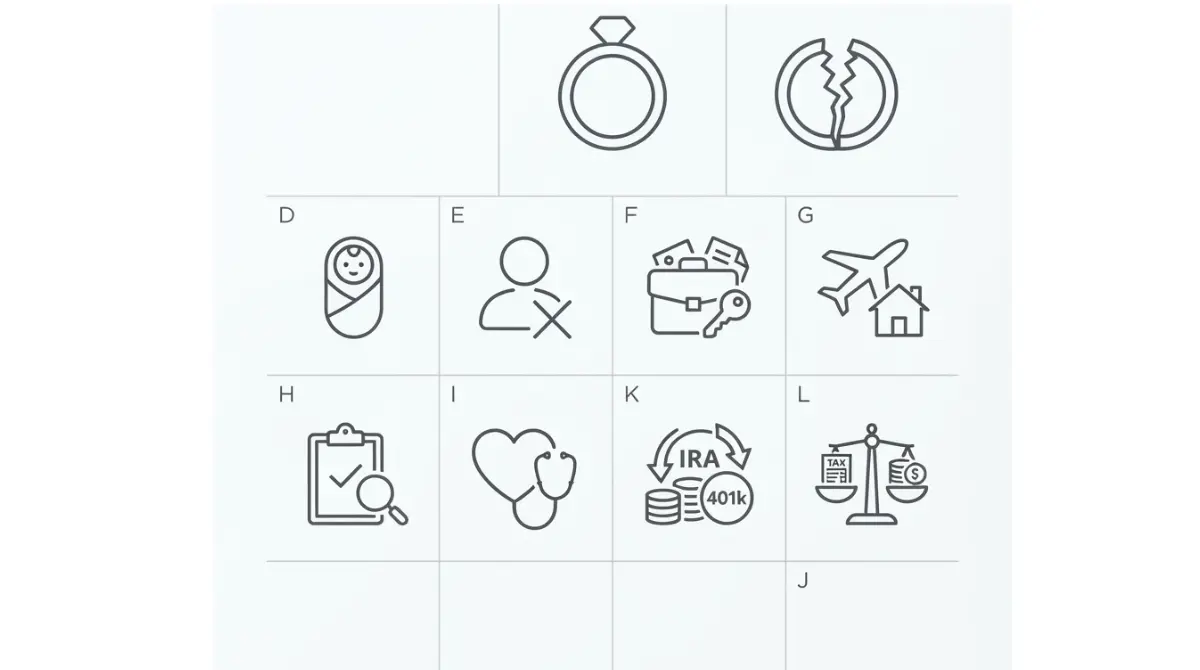
Update your estate plan after any of these ten changes.
Family changes
- You married or remarried.
- You divorced or separated.
- A child was born or adopted: name a guardian and recheck the rest.
- Someone you named (beneficiary, executor, trustee, guardian, agent) died or no longer fits.
Money and paperwork
- Assets changed sharply through inheritance, a sale, or a business.
- You moved states or bought property in another state.
- Beneficiary forms and titles haven’t been checked against your will in years.
Health, age, and law
- A diagnosis or memory concern makes your health care proxy papers urgent.
- A retirement account changed hands, or required withdrawals are near.
- Federal estate and gift figures changed since you last looked.
Which document each life change affects
Each change points to different paperwork.
Marriage, divorce, or a death
| Change | Review | Usually |
|---|---|---|
| Marriage | Will, beneficiary forms, agent choices | Forms plus an attorney review |
| Divorce | Will, trust, forms, titles, agents | Attorney; forms may not change automatically |
| Death of someone you named | Executor, trustee, guardian, beneficiaries | Attorney if trusts apply |
A move, a new asset, or a business
| Change | Review | Usually |
|---|---|---|
| Move | Will, trust, agent papers, state rules | Attorney in the new state |
| New asset, inheritance, or business | Forms, titles, ownership (check your home equity estimate) | Forms first; attorney if large |
Because a form can beat a will, read how a beneficiary designation can override a will first.
Health, retirement, and tax-law changes to check
Incapacity papers: the durable power of attorney
A durable power of attorney lets someone you choose handle your money if you can’t. CFPB guidance on diminished-capacity planning says it stays effective if you become incapacitated and differs from a health care power of attorney; see what an agent’s powers include.
Retirement accounts and the heirs’ 10-year rule
Under the IRS retirement beneficiary rules, most non-spouse heirs must empty an inherited account by the end of the 10th year following the year of death; spouses and some others have more options (see the inherited IRA 10-year rule).
The 2026 federal numbers: $15 million and $19,000
📊 Data Point: For 2026, the federal basic exclusion amount (the federal estate tax threshold) is $15,000,000, and the annual gift exclusion is $19,000 per donee. Source: IRS, estate and gift tax update (verified October 2026).
Being under $15 million doesn’t make a plan current: guardians, agents, forms, and inherited-account income tax apply at any size, and some states add their own taxes (see the annual gift tax exclusion rules).
✅ Action Step: Ask a CPA: “What must I withdraw from this inherited account this year?”
Score your plan: fix a form or call an attorney
How to score
Give yourself one point per “yes” in the ten-point check. This is editorial triage, not a legal standard.
What your score means
| Score | Next step |
|---|---|
| 0 | Review again on your calendar |
| 1–2 | Update the document or form the map points to |
| 3 or more, or a yes on point 2, 4, or 8 | See an estate planning attorney |
Illustrative example: a parent who moved states and never rechecked forms scores 3.
✅ Action Step: Ask an estate planning attorney in your state: “What would a trust close that updated forms and a will would not?” Not sure whom to hire? See how to choose an estate planning attorney.
Update mistakes that create new problems
Editing a signed will by hand
Marking up a signed will may not be valid under your state’s rules; ask an attorney about an amendment.
Updating the will but not the forms
A new will doesn’t change a beneficiary form or a title, so recheck every account.
Skipping the portability election after a spouse dies
🔍 How It Works: Portability lets a survivor add a deceased spouse’s unused exclusion to their own, but only if the executor files a complete Form 706 on time, even when no tax is due. The IRS instructions for Form 706 set the deadline at 9 months after death, or 15 with an extension. Smaller estates may qualify for late election relief within five years.
✅ Action Step: Ask a CPA: “Does a portability election apply, and what’s our deadline?”
Common questions about updating an estate plan
1. How often should you update your estate plan?
An estate plan has no legal expiration date; revisit it after major life changes and otherwise every few years.
2. Does an estate plan expire?
No. Wills and trusts don’t expire, but they go stale when your family, assets, or residence change.
3. Should I update my estate plan after divorce?
Yes. A divorce may not change beneficiary forms or titles, so review those, your will, and your agents.
4. What happens to my estate plan if I move to another state?
Documents may stay valid, but state rules differ, so have an attorney review them after a move.
5. Do I need to update my estate plan if I’m under the $15 million exclusion?
Yes. The 2026 federal exclusion is $15,000,000, but guardians, agents, forms, and inherited-account income tax matter at any size. A CPA can assess yours.
6. What is the 2026 annual gift tax exclusion?
When updating your estate plan, note the 2026 annual gift exclusion is $19,000 per recipient, separate from the $15,000,000 exclusion. A CPA can confirm.
7. When should I update my will after having a child?
Update your will soon after a birth or adoption: name a guardian and review your executor and beneficiaries.
8. Do I need to update my plan after a spouse dies?
Yes. Reassign beneficiaries and roles, and ask a CPA about Form 706 portability: 9 months after death, or 15 with an extension.
9. How does the 10-year rule affect my estate plan?
Most non-spouse heirs must empty an inherited retirement account by the end of the 10th year following the year of death. Ask a CPA about exceptions.
10. Can I change my will by hand?
Not safely. Marking up a signed will may not be valid under state rules; use a properly executed amendment or new will.
11. Which documents cover incapacity?
Review your durable financial and health care powers of attorney; a durable one stays effective if you become incapacitated.
Your next step this week
Run the ten points and write down your score. If it’s 1–2, fix the form or document the map points to; if it’s higher, book the attorney conversation. Either way, recheck the IRS figures when they next change.
Related Articles
 Estate Planning
How to set up a living trust the right way, step by step
September 18, 2026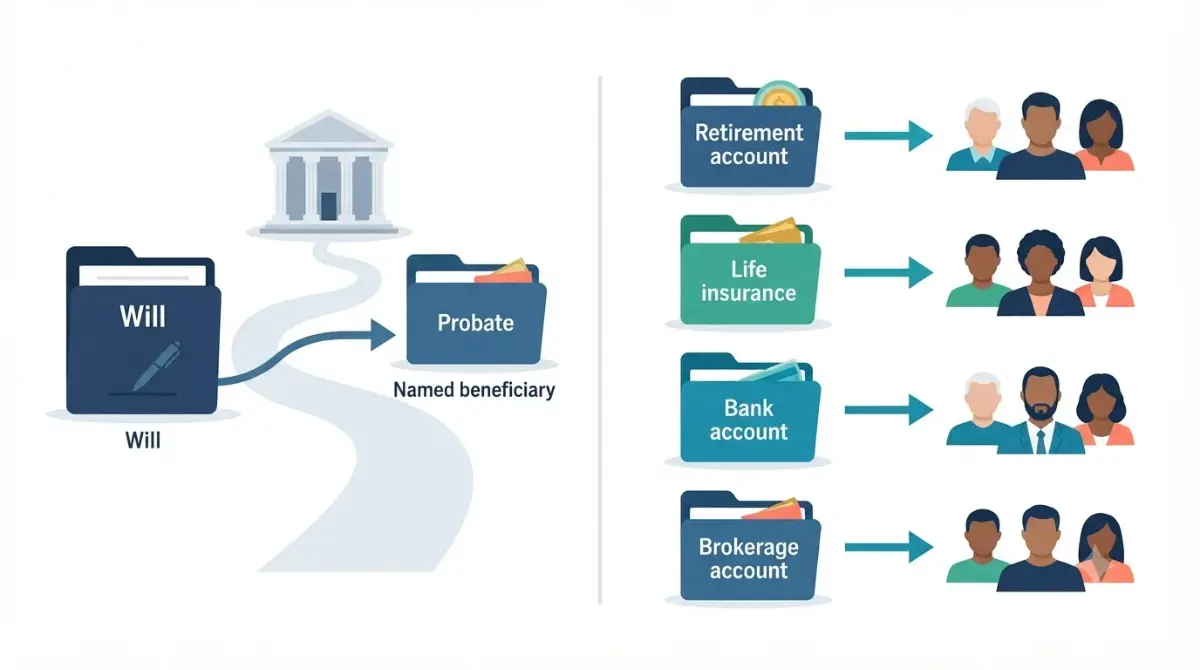 Estate Planning
Beneficiary Designation vs Will and Who Really Gets Paid
September 28, 2026 Estate Planning
Your Executor Duties After Someone Dies, in Plain English
October 1, 2026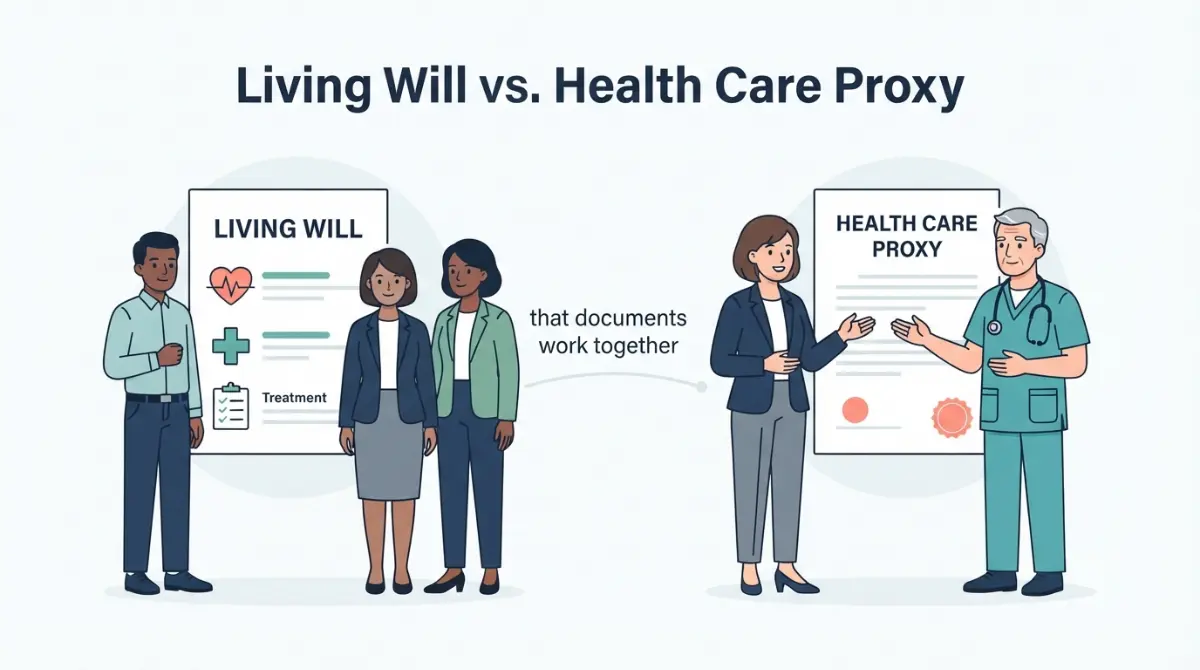 Estate Planning
Living Will vs Health Care Proxy and Who Speaks for You
September 29, 2026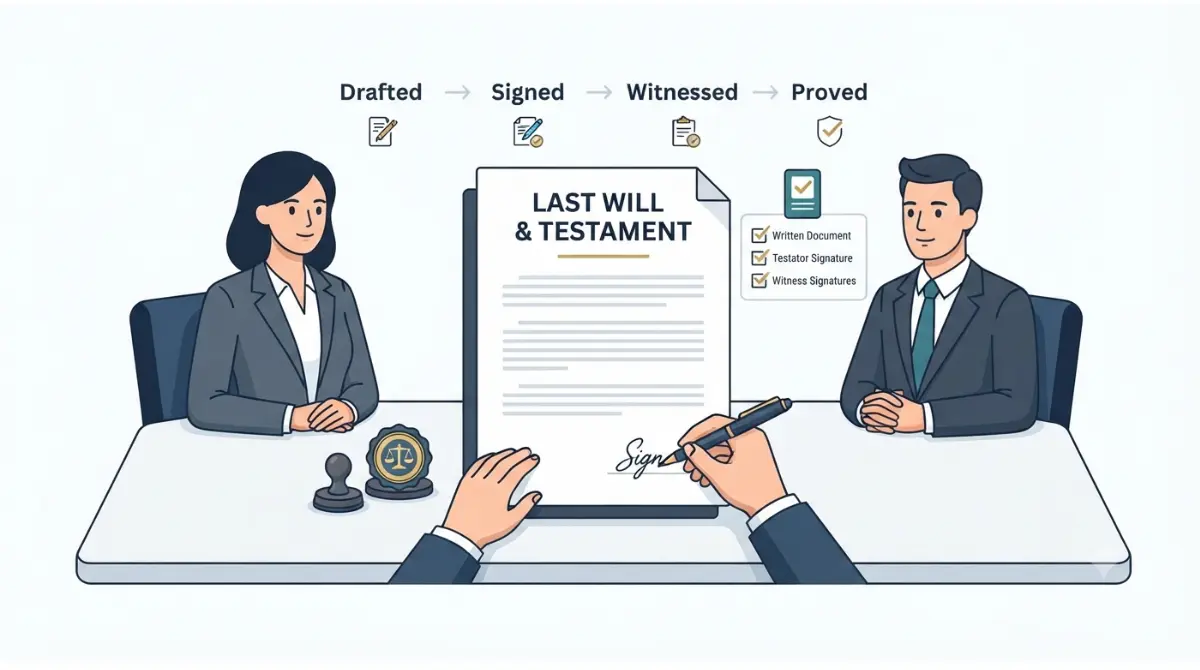 Estate Planning
How to make a will and avoid the errors that void it
September 18, 2026 Estate Planning
Where a Transfer on Death Deed Works and Where It Goes Wrong
September 28, 2026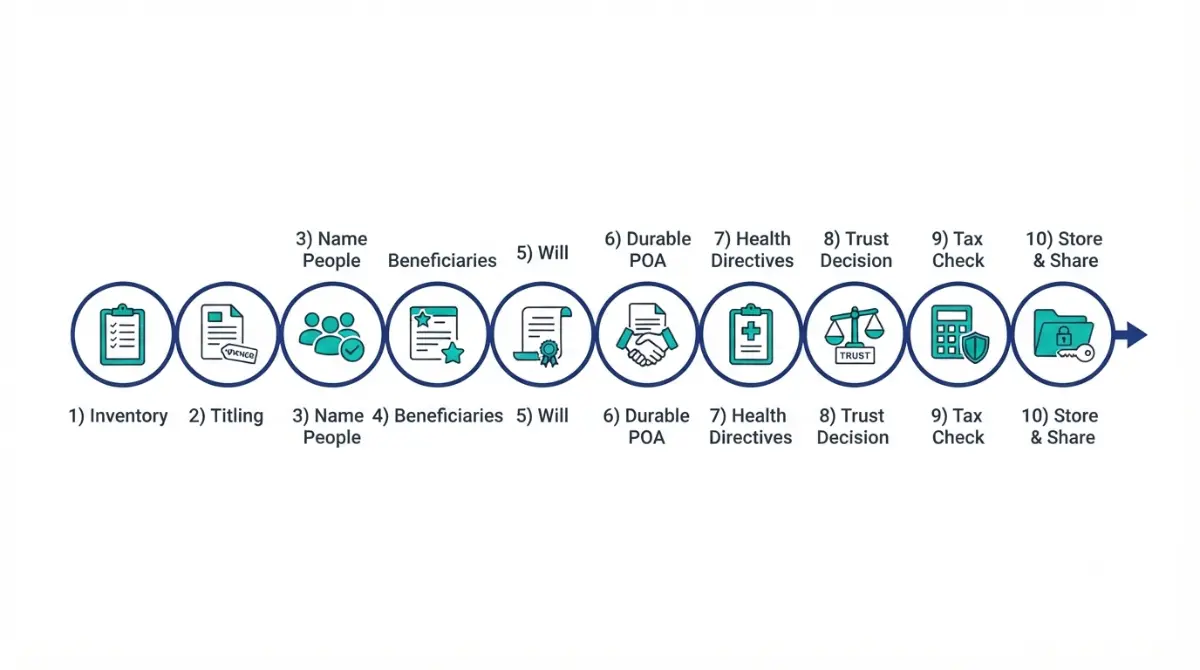 Estate Planning
The estate planning checklist, ordered so nothing gets overlooked
September 19, 2026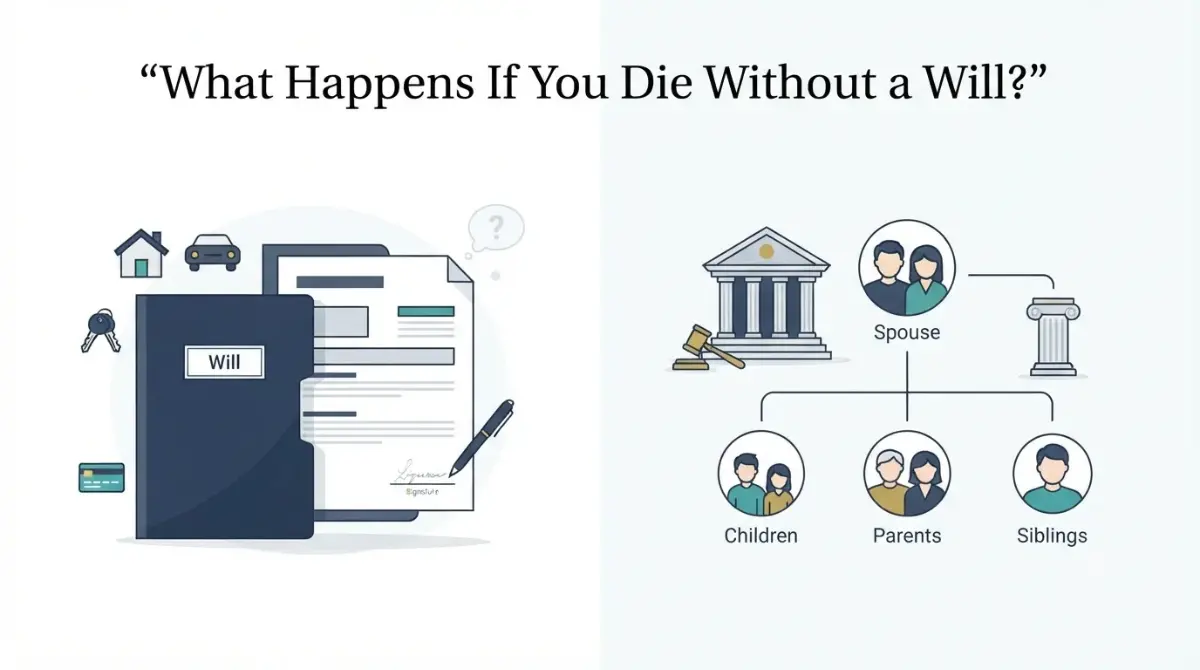 Estate Planning
A Clear Look at What Happens If You Die Without a Will
September 30, 2026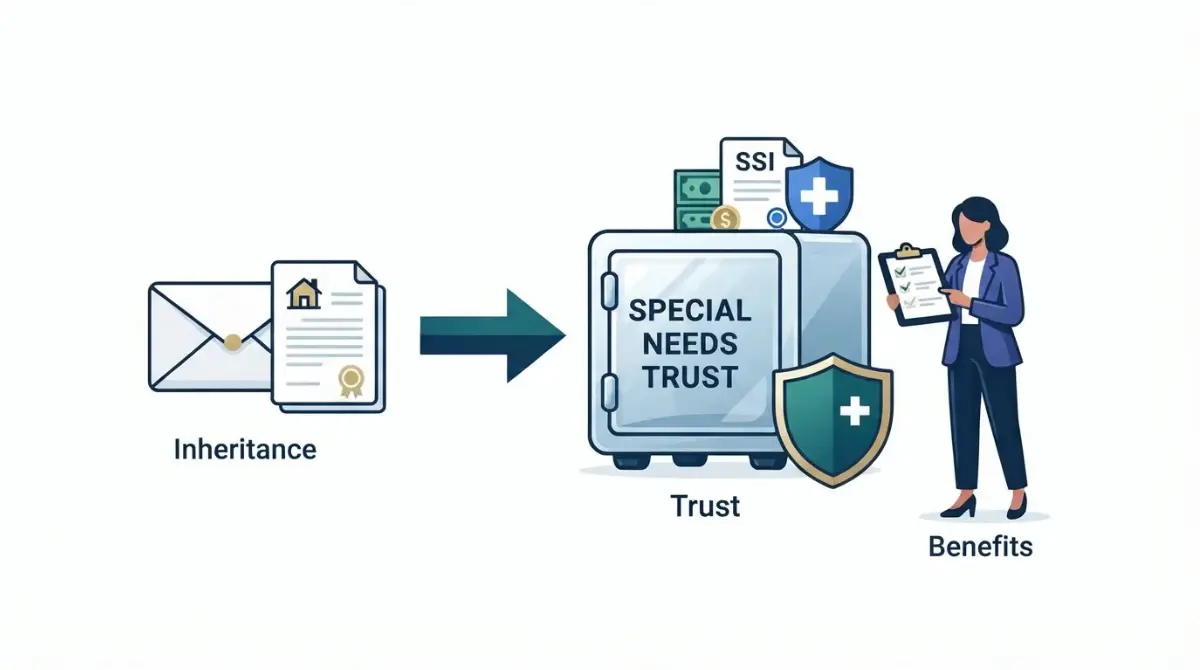 Estate Planning
How a Special Needs Trust Can Protect SSI and Medicaid
September 30, 2026
Informational disclaimer
The content on Finance Authority Hub is provided for general informational and educational purposes only and should not be considered personalized financial, investment, tax, legal, or professional advice. Financial decisions depend on your individual goals, income, risk tolerance, location, and regulatory situation. Before acting on any information, strategy, estimate, or calculator result, consult a qualified licensed professional who can evaluate your specific circumstances.