
How to Choose an Estate Planning Attorney You Can Verify
Estate planning attorney credentials are checkable: confirm the state bar license and any CELA from the ABA-accredited National Elder Law Foundation.
In This Article
If you’re choosing an estate planning attorney after a death, a new baby, or a remarriage, you may be juggling grief, paperwork, and a fear of picking wrong. A sound choice comes down to fit, verification, and fees.
- Need only a basic will? Start with whether software or a specialist fits.
- Caring for an aging parent? See the elder law guidance in that same section.
- Already have names? Go straight to the consultation questions.
Before any call, gather your documents with our estate planning checklist.
ℹ️ Financial Disclaimer: This article is for educational purposes only. It is not legal, tax, investment, lending/credit, insurance, or debt-relief advice, and reading it does not create an attorney-client relationship. Estate and tax rules vary by state and change over time, so consult a licensed estate planning attorney in your state, and a CPA for estate or gift tax questions, before acting.
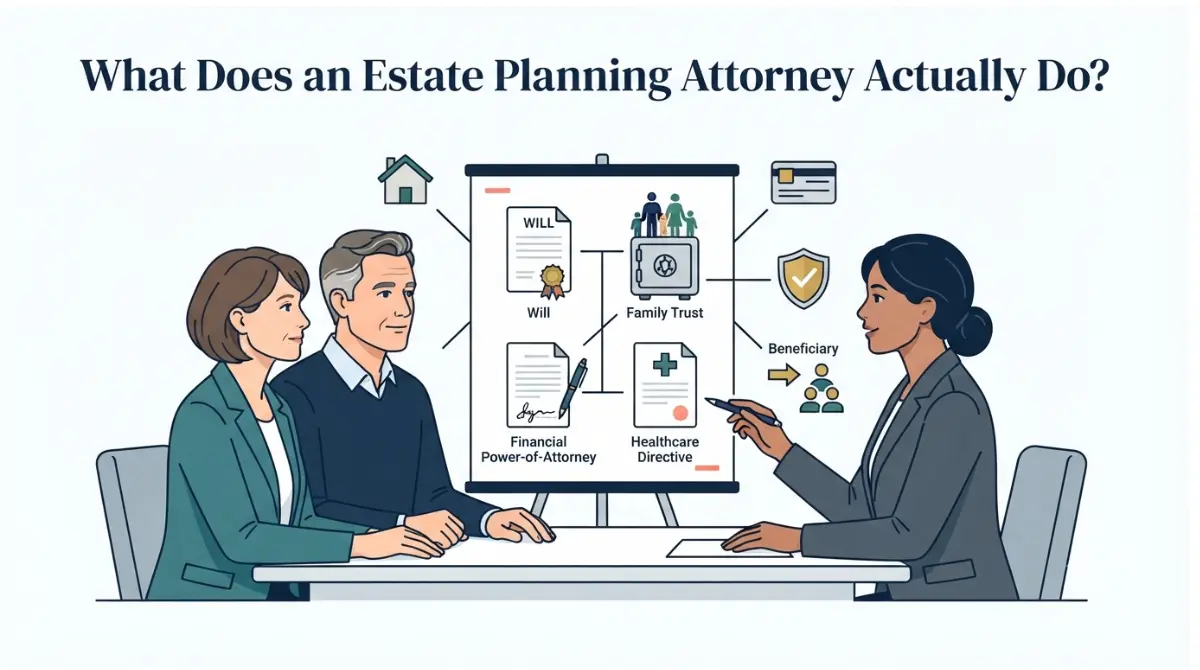
What does an estate planning attorney actually do?
An estate planning attorney drafts the documents that control your property and decisions if you die or can’t act for yourself. That’s only half the job.
The core documents: will, trust, POA, healthcare directive
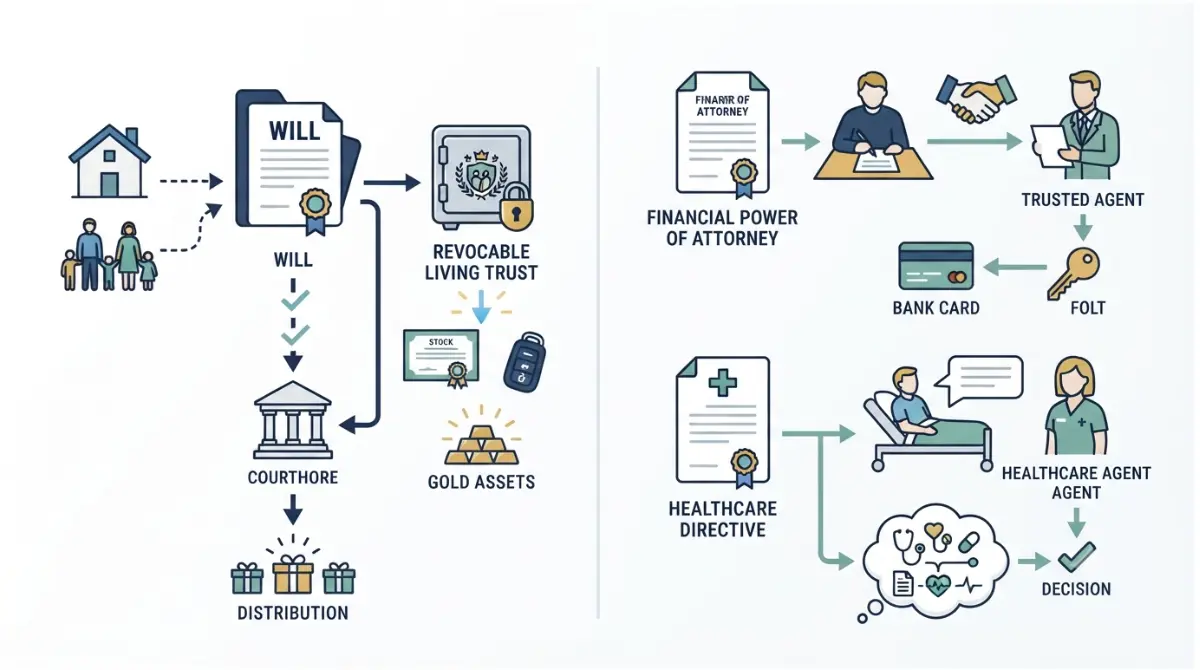
A typical plan includes a will, often a revocable living trust, a durable financial power of attorney, and a healthcare directive. The CFPB’s explanation of powers of attorney warns that a POA grants broad authority without regular oversight, and says a lawyer’s help is relatively inexpensive.
Why non-probate assets are part of the job
A good attorney also reviews the assets a will doesn’t control and confirms your signing meets your state’s will witness rules.
🔍 How It Works: Retirement accounts, life insurance, and payable-on-death accounts go to whoever the beneficiary form names. If the form and your will disagree, the form generally controls.
Do you need a specialist, an elder law attorney, or software?
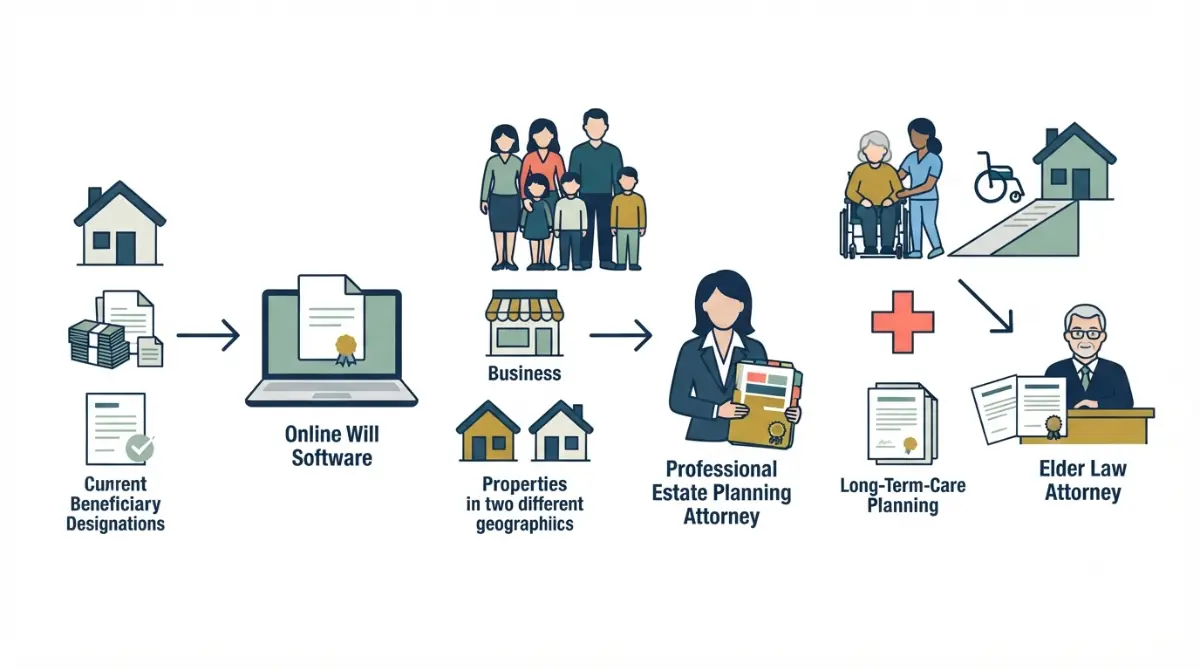
You likely need an attorney when your situation has parts software can’t check: minor children, a blended family, a business, property in several states, or a relative with a disability.
When online software may be enough
If your assets are simple and every beneficiary form is current, software may cover a basic will. Weigh it in our online will vs. lawyer comparison and online will service prices.
When a dedicated estate attorney matters
📊 Data Point: The federal basic exclusion amount is $15,000,000 per person for 2026, set by Public Law 119-21. — Source: IRS, What’s New — Estate and Gift Tax (2026)
Most families fall well below that, so children, incapacity, and coordination are the usual reasons to hire. Some states tax estates at lower thresholds; check your state and the IRS’s estate and gift tax update.
When an elder law attorney fits
For long-term care, Medicaid, or disability planning, consider a Certified Elder Law Attorney (CELA). The National Elder Law Foundation, which grants it, is the only national body the American Bar Association accredits to certify elder and special needs law.
How to find and vet estate planning attorneys
To choose an estate planning attorney, follow five steps:
- Define your needs using the section above.
- Gather three names from neutral sources.
- Confirm the license in your state bar’s public lookup.
- Verify any certification in the issuer’s own directory.
- Book consultations with the scorecard below.
Where to get neutral referrals
Ask friends, your state or local bar association referral service, or your CPA. Skip referrals from anyone who inherits under your plan.
How to verify a license and a certification at the source
A bar lookup shows whether a license is active and whether public discipline is listed.
💡 Expert Note: Awards and “top lawyer” badges aren’t credentials. Real certifications come from state bar programs or ABA-accredited organizations with public directories, and they’re a helpful signal, not a requirement.
How estate planning attorneys charge (and what’s included)
Estate planning attorneys usually charge a flat fee for a defined document package or bill hourly for work that’s harder to scope.
Flat fee vs. hourly: what each covers
| Fee model | Best For | Key Detail to Confirm |
|---|---|---|
| Flat fee | Standard wills, trusts, POAs | Which documents and meetings are included |
| Hourly | Business interests, unusual assets | The rate and a written estimate |
Fee models described qualitatively. For price ranges, see what estate planning costs.
What to get in writing before you sign
Ask for an engagement letter listing documents, fee, and who does the work. It should say whether trust funding, beneficiary review, and updates after marriage, divorce, a birth, a death, or a move are included.
⚠️ Costly Mistake: A trust that’s signed but never funded may not keep assets out of probate. If retitling isn’t in the fee, ask who handles it.
Questions to ask at your first consultation
Bring these five checks to every consultation; a good attorney answers each plainly.
The 5-Check Attorney Scorecard
| Check | Question to ask | Key Detail |
|---|---|---|
| Licensed | “Is your license active here?” | They tell you where to confirm it |
| Focused | “How much of your practice is estate planning?” | Estate work is a core focus |
| Verified | “Where can I confirm your certifications?” | The issuer’s directory |
| Transparent | “What’s included, and what’s extra?” | A written engagement letter |
| Complete | “Will you review my beneficiary designations and titling?” | Yes, not an add-on |
Scorecard by the FinanceAuthorityHub Editorial Team.
What to bring
- Your assets and how each is titled
- Any existing will, trust, or POA
- Current beneficiary forms
- Your executor, guardian, and agent choices
Retirement accounts follow their own rules, like the inherited IRA 10-year rule. Using a trust? Ask who handles funding a living trust.
✅ Action Step: Download every retirement and life insurance beneficiary form, then ask the attorney: “Does each one match the plan you’d draft?”
Red flags when hiring an estate planning attorney
The biggest red flags are conflicts of interest and pressure.
Conflicted referrals
Be wary of referrals from heirs or from sellers whose products the plan would include. Ask whether the referrer gets anything in return.
Pressure to buy a trust without explaining why
If an attorney can’t explain why a trust beats a will for you, see our will vs. trust guide and keep looking. If one fits, here’s how to set up a living trust.
Estate planning attorney FAQ
1. How much does an estate planning attorney cost?
Estate planning attorney costs depend on the fee model: a flat fee for defined documents or hourly billing for complex work. Ask a licensed estate attorney for a written estimate.
2. Estate attorney vs. elder law attorney?
An elder law attorney adds long-term care, Medicaid, and disability planning; the CELA credential comes from the ABA-accredited National Elder Law Foundation.
3. Is a board-certified estate attorney better?
Board certification is a helpful signal for an estate attorney, not a requirement; verify it in the issuer’s own directory.
4. How do I check an estate attorney’s license?
Search the estate attorney’s name in your state bar’s public lookup to confirm an active license and any listed discipline.
5. Can an online will replace an estate planning attorney?
For simple estates, sometimes, but will software won’t check asset titling or whether beneficiary forms match your will.
6. Do I need an estate planning attorney below the federal estate tax limit?
Often yes; the 2026 exclusion is $15,000,000 per person, so most estate planning needs involve children, incapacity, and coordination. Ask a CPA whether your state taxes estates.
7. What should I bring to an estate attorney consultation?
Bring an asset list with titling, any existing will or trust, current beneficiary forms, and your executor and guardian choices.
8. Should my financial advisor pick my estate planning attorney?
An advisor can suggest names, but ask whether they get anything for referrals and verify the estate planning attorney’s license yourself.
9. Will my estate planning attorney fund my trust?
Some estate planning attorneys include trust funding in the fee and others bill separately, so confirm it in your engagement letter.
10. How often should I update my estate plan?
Review your estate plan after marriage, divorce, a birth, a death in the family, or a move to another state.
11. Does a lawyer need to prepare my power of attorney?
Not always, but the CFPB says a lawyer can help guard against power of attorney abuse at relatively low cost.
Your next step
Shortlist three attorneys from neutral sources, confirm each license and credential where it was issued, and bring the five-check scorecard to every consultation. The attorney who answers all five plainly, including how they’ll handle assets your will can’t reach, is the one to hire.
Related Articles
 Estate Planning
Online Will vs Lawyer Decisions Made Clear for Your Family
September 21, 2026 Estate Planning
Smart Digital Assets Estate Planning Steps So Family Can Get In
October 5, 2026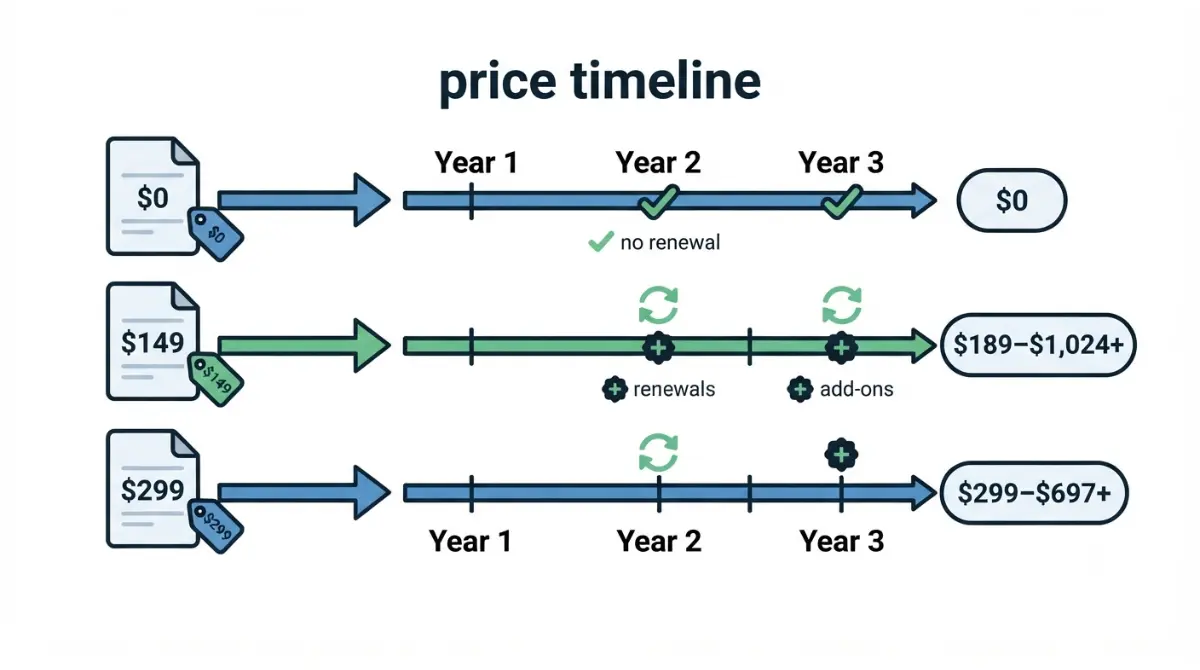 Estate Planning
A Clear Price Guide to the Best Online Will Service
September 22, 2026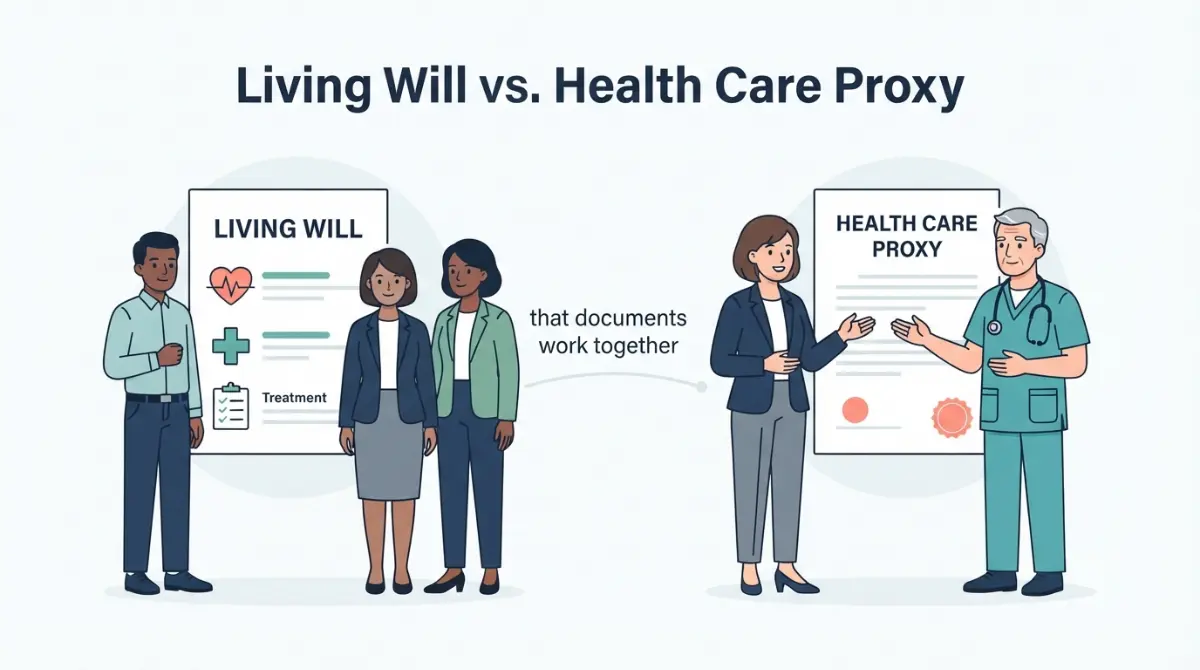 Estate Planning
Living Will vs Health Care Proxy and Who Speaks for You
September 29, 2026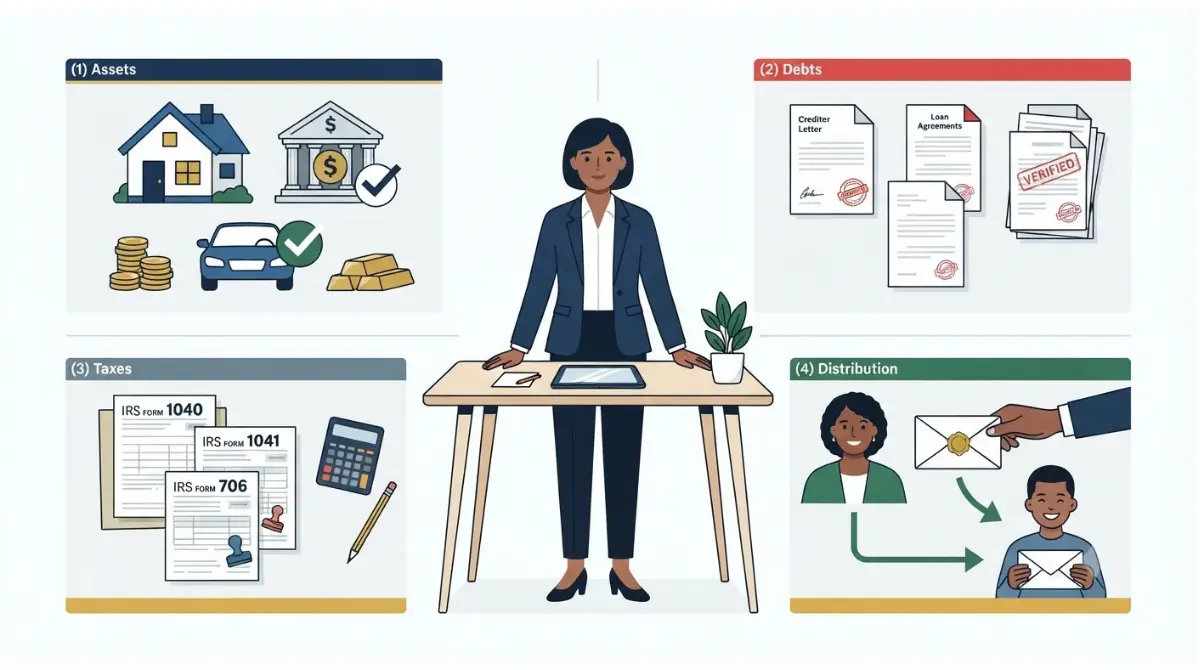 Estate Planning
Your Executor Duties After Someone Dies, in Plain English
October 1, 2026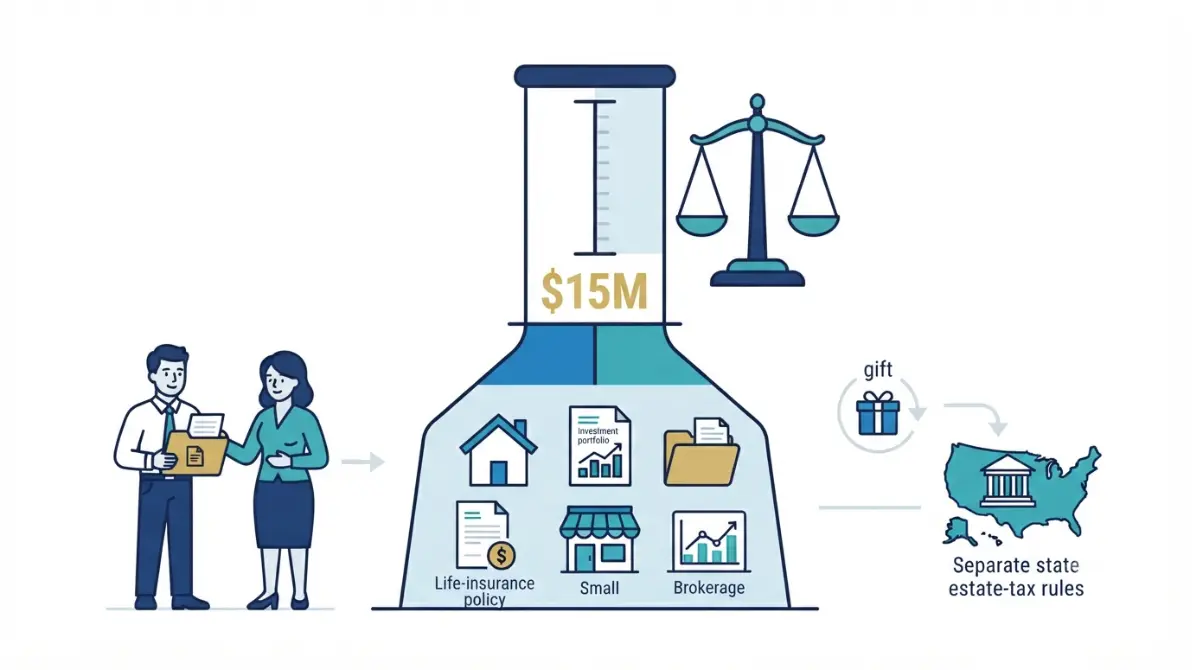 Estate Planning
A Clear Guide to the $15 Million Estate Tax Exemption
September 23, 2026 Estate Planning
Key Rules for the $19,000 Annual Gift Tax Exclusion and Form 709
September 24, 2026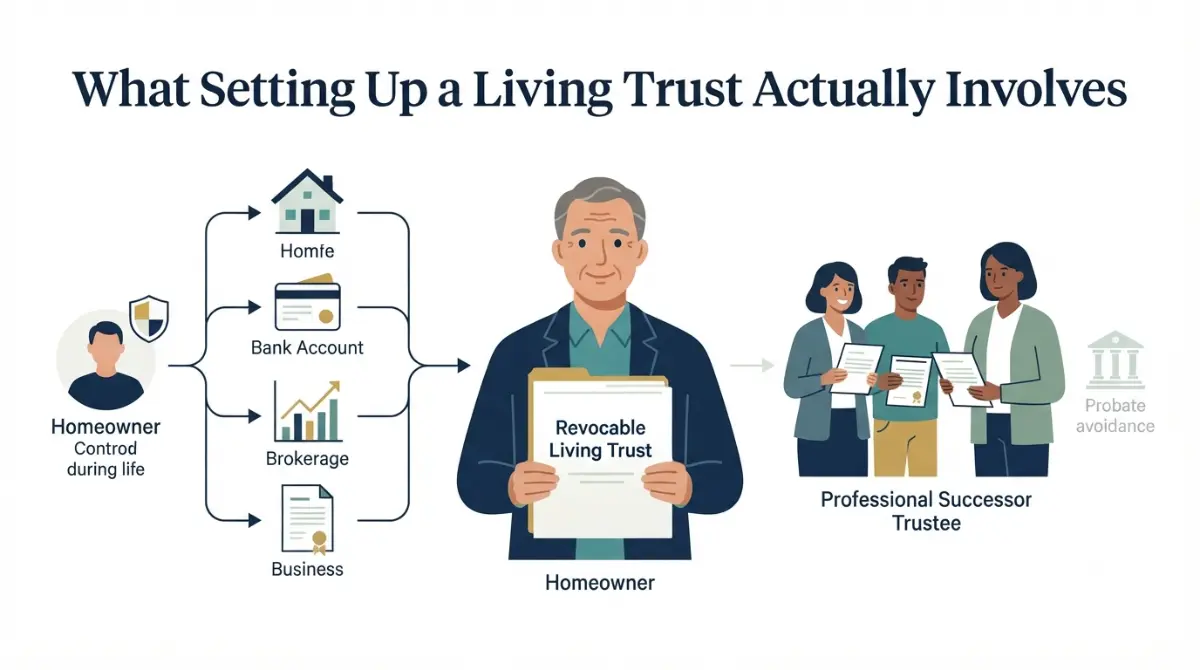 Estate Planning
How to set up a living trust the right way, step by step
September 18, 2026 Estate Planning
Will vs Trust and How to Find the Right Fit for Your Family
September 17, 2026
Informational disclaimer
The content on Finance Authority Hub is provided for general informational and educational purposes only and should not be considered personalized financial, investment, tax, legal, or professional advice. Financial decisions depend on your individual goals, income, risk tolerance, location, and regulatory situation. Before acting on any information, strategy, estimate, or calculator result, consult a qualified licensed professional who can evaluate your specific circumstances.