
Estate Planning for Unmarried Couples and the Overlooked Gaps
Unmarried couples inherit by paperwork, not by default. See where the IRS treats a partner as a non-spouse: gifts, IRAs and the family home.
In This Article
Why unmarried couples must build what marriage supplies automatically
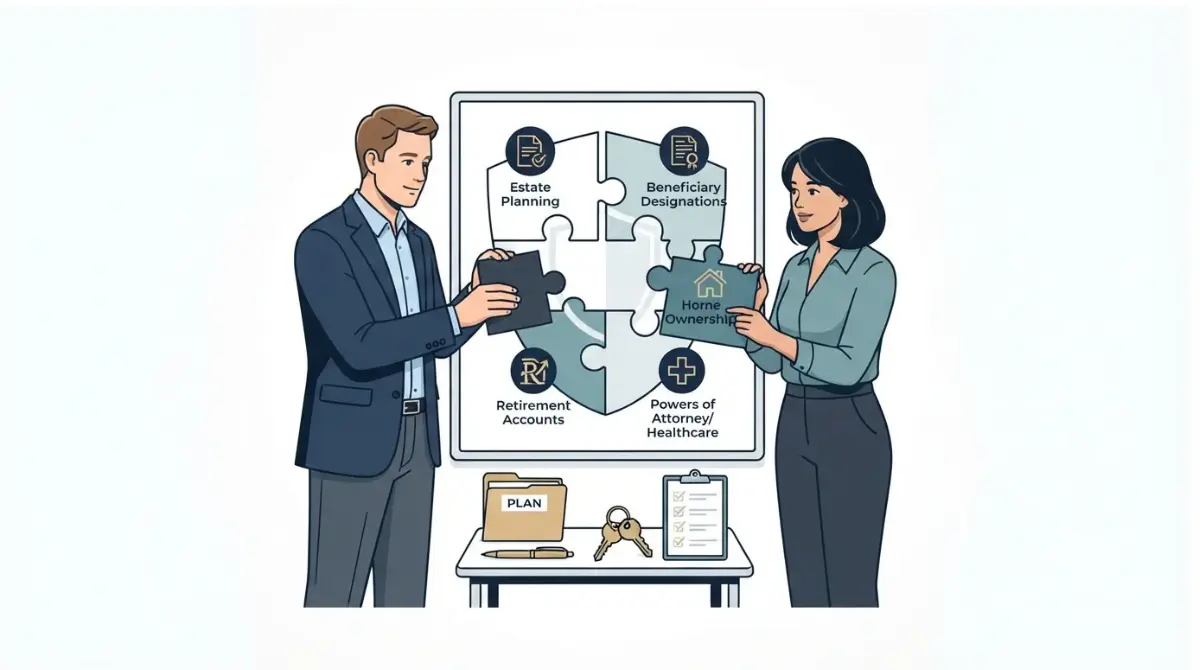
Marriage hands couples a bundle of legal protections automatically. Unmarried couples get none by default and must build each one with a document, a form, or a title.
What the law assumes for spouses
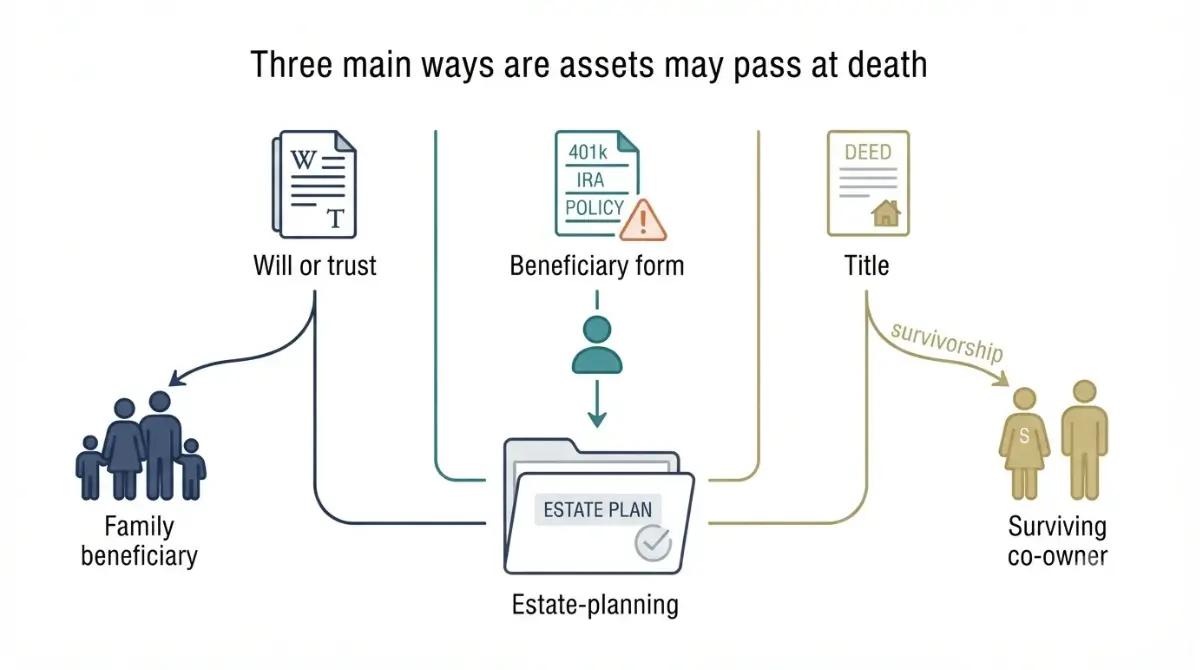
Federal tax law and retirement rules both treat spouses differently from partners, and much of what partners own passes by beneficiary form or title, so assets a will doesn’t cover matter here.
Which gap to read first
Co-own a home? Jump to joint home ownership. Hold an IRA or 401(k)? Read the retirement section. No will yet? Start with the first question. Worried about an emergency? See the powers of attorney.
ℹ️ Financial Disclaimer: This article is educational and is not personalized tax, legal, retirement, investment or insurance advice. Estate, tax and retirement-account rules vary by state and by account. Before acting, consult an estate planning attorney licensed in your state, a CPA for tax questions, or a fiduciary financial advisor for retirement and insurance decisions.
Do unmarried partners inherit if there’s no will?
Generally, no. Without a will, state law decides who inherits, and an unmarried partner is usually not on the default list.
What intestacy means for a partner
The estate passes to legal relatives such as children, parents or siblings. A few states recognize common-law marriage or registered partnerships; see who inherits when someone dies without a will and check your state.
When a will or trust fixes it
A will or revocable trust lets you name your partner, but a will governs only probate property. Ask how each asset passes: by will, by beneficiary form, or by title.
✅ Action Step: Ask a state-licensed estate planning attorney whether a will or revocable trust suits your situation.
Can an unmarried partner inherit your IRA or 401(k)?
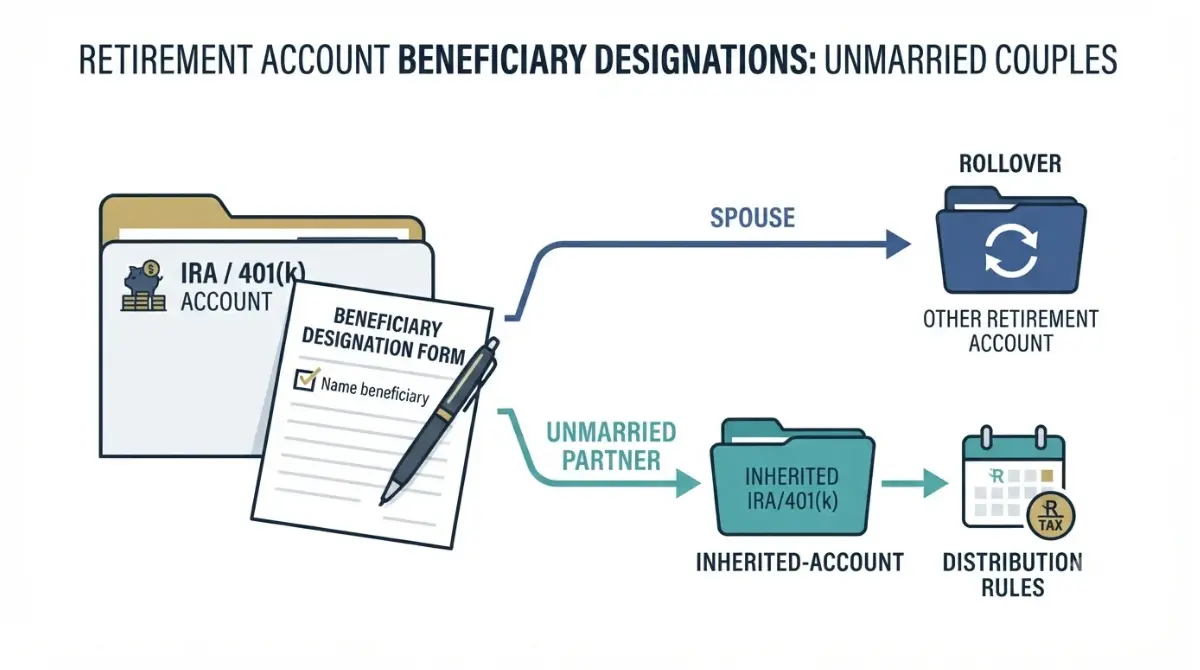
Yes, if you name them. The IRS says the owner designates the beneficiary under plan procedures; some plans require specific ones.
Naming a partner as beneficiary
That form, not your will, directs the account; compare beneficiary designations versus a will.
No spousal rollover: what changes
A sole-beneficiary spouse can roll an inherited account into their own IRA; the IRS beneficiary rules for retirement accounts list no such option for others.
The age-gap test
| Partner’s age | IRS category | Payout path |
|---|---|---|
| Not more than 10 years younger | Eligible designated beneficiary | Life-expectancy payouts |
| More than 10 years younger | Designated beneficiary | 10-year rule |
Source: IRS, Retirement topics — Beneficiary (reviewed August 1, 2026).
🔍 How It Works: Under the 10-year rule, the account must be empty by the end of year ten after death.
✅ Action Step: Ask a CPA how your partner’s payout should work given your ages.
Gift and estate tax: no marital deduction for partners
For 2026, you can give each recipient $19,000 free of gift tax, and the federal basic exclusion amount is $15,000,000, per the IRS gift-tax FAQ.
2026 federal limits at a glance
| Spouse | Unmarried partner | |
|---|---|---|
| Gifts | Not taxable gifts | Free of tax to $19,000; above that, generally file Form 709 |
| Registered domestic partner | Not a “spouse” federally | Same as any partner |
Source: IRS gift-tax FAQ.
Gifts to a partner: annual vs. lifetime
Gifts to a non-spouse above $19,000 in a year generally require a Form 709 return, even if no tax is owed; see the annual gift tax exclusion.
State taxes: where partners pay more
A few states add their own estate or inheritance tax, which may treat partners less favorably.
✅ Action Step: Ask a CPA whether a planned transfer exceeds the annual exclusion.
Who speaks for you if you can’t? Two documents to sign
A durable power of attorney is a legal document that lets someone you name, your agent, decide money or property matters if you are sick or injured.
Money: the durable power of attorney
The CFPB’s guide for agents under a power of attorney says an agent is a fiduciary who must act in your best interest. Banks may refuse a document and want their own form.
Health: a health care agent
A health care power of attorney is a separate document.
What these documents can’t do
The agent’s authority ends when you die, so it cannot replace a will.
✅ Action Step: Ask an estate planning attorney which forms your state’s banks and hospitals accept.
Joint home ownership: the title and tax trap for partners
For unmarried co-owners, the IRS generally includes a jointly owned home’s full value in the first owner’s estate unless the survivor shows they paid part of the cost, per the IRS Form 706 instructions.
Joint tenancy vs. tenants in common
Jointly owned property that passes to the survivor does not pass under the will.
Worked example: $500,000 home, $800,000 at death
Editorial illustration, not a real couple:
| Survivor paid $0 | Survivor paid $250,000 | |
|---|---|---|
| Included in estate | $800,000 | $400,000 |
| Survivor’s new basis | $800,000 | $650,000 |
| Gain if sold at $800,000 | $0 | $150,000 |
🔍 How It Works: Per IRS Publication 559, new basis = survivor’s original basis + value included ($0 + $800,000; $250,000 + $400,000).
Why paper records matter
A gifted interest keeps the donor’s basis, per the IRS; see gifting a house versus inheritance.
✅ Action Step: Ask a CPA how to title your home given who paid what.
Mistakes that undo an unmarried couple’s plan
The 5-gap checklist
| Gap | A spouse gets | A partner must |
|---|---|---|
| Inheritance | Default heir status | Sign a will or trust |
| Retirement | Spousal rollover | Name beneficiaries |
| Tax | Gifts not taxable | Track gifts over $19,000 |
| Incapacity | Varies by state | Sign two powers of attorney |
| Home | Half the value included | Title carefully; keep records |
Three mistakes to avoid
- Leaving an old beneficiary on a retirement account.
- Assuming years together create rights.
- Skipping records of who paid for the home.
Estate planning for unmarried couples: frequently asked questions
1. Do unmarried partners inherit anything without a will?
Generally no. Without a will, state law decides who inherits, and unmarried partners are usually not on the default list.
2. What estate planning documents do unmarried couples need?
Unmarried couples typically need a will or trust, current beneficiary forms, two powers of attorney, and careful home titling.
3. Can my partner be my 401(k) or IRA beneficiary?
Yes, an unmarried partner can generally be named, though some plans require specific beneficiaries. Check your plan’s rules.
4. Must an unmarried partner empty an inherited IRA in 10 years?
Not always. A partner not more than 10 years younger than the owner is an eligible designated beneficiary; others generally follow the 10-year rule. Ask a CPA about your ages.
5. Is there gift tax if I give my unmarried partner money or part of my home?
Gifts up to $19,000 per recipient in 2026 are not taxable; larger gifts to an unmarried partner generally require Form 709. Ask a CPA.
6. Do unmarried couples owe estate tax?
Unmarried couples owe federal estate or gift tax only above the $15,000,000 basic exclusion amount for 2026; some states add taxes. Ask a CPA about your state.
7. Can my partner make medical decisions for me?
Unmarried partners can be given medical authority by being named in a health care power of attorney, a separate document. Ask an attorney about state forms.
9. What is a durable power of attorney?
A durable power of attorney is a legal document naming an agent to decide money or property matters if you are sick or injured.
10. What happens to our house if one of us dies?
It depends on title: jointly owned property that passes to the survivor does not pass under the will.
11. Does joint tenancy give my partner a step-up in basis?
A step-up depends on who paid: unmarried co-owners’ full value is generally included in the first owner’s estate unless the survivor proves a contribution. Ask a CPA to document contributions.
12. Does living together or common-law marriage give us inheritance rights?
Living together alone generally creates no inheritance rights; a few states recognize common-law marriage, though registered partners are not federal spouses.
Your next steps
List what you own and how each asset passes: by will, by form, or by title. Start with beneficiary forms, then sign the two powers of attorney. Finally, book one estate planning attorney session for your will, home title, and state tax questions. Planning doesn’t depend on marriage.
Related Articles
 Estate Planning
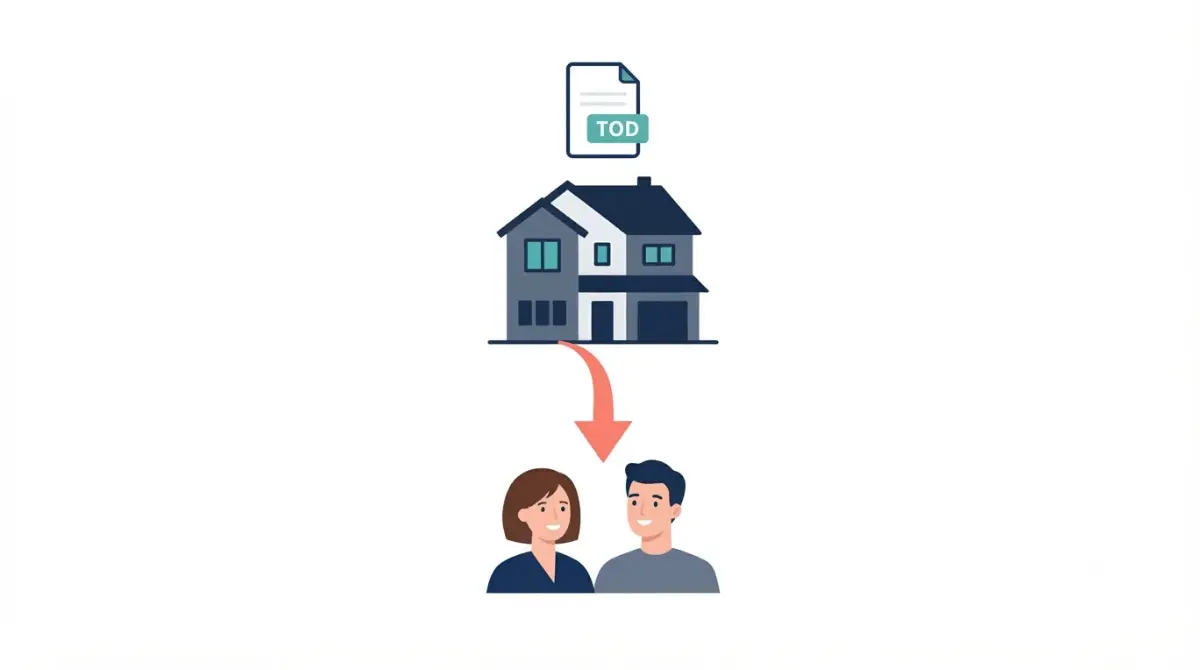
Where a Transfer on Death Deed Works and Where It Goes Wrong
September 28, 2026 Estate Planning
What Your Agent Can Legally Do Under a Durable Power of Attorney
September 29, 2026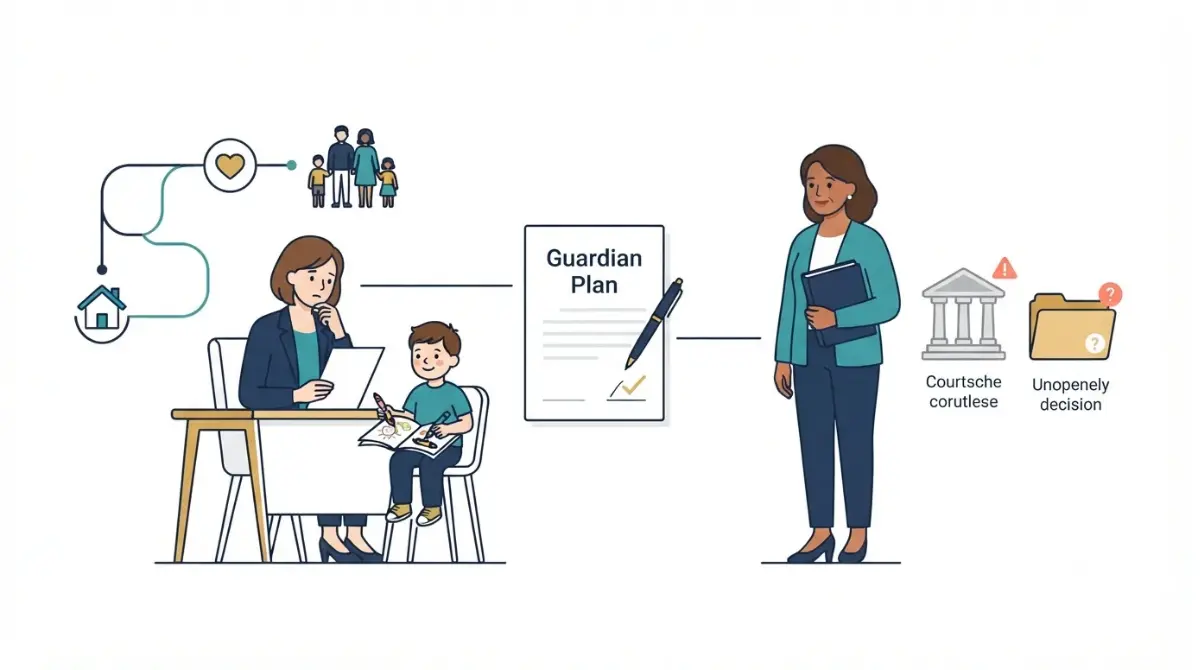 Estate Planning
Naming a Guardian for Minor Children in Your Will, Step by Step
October 2, 2026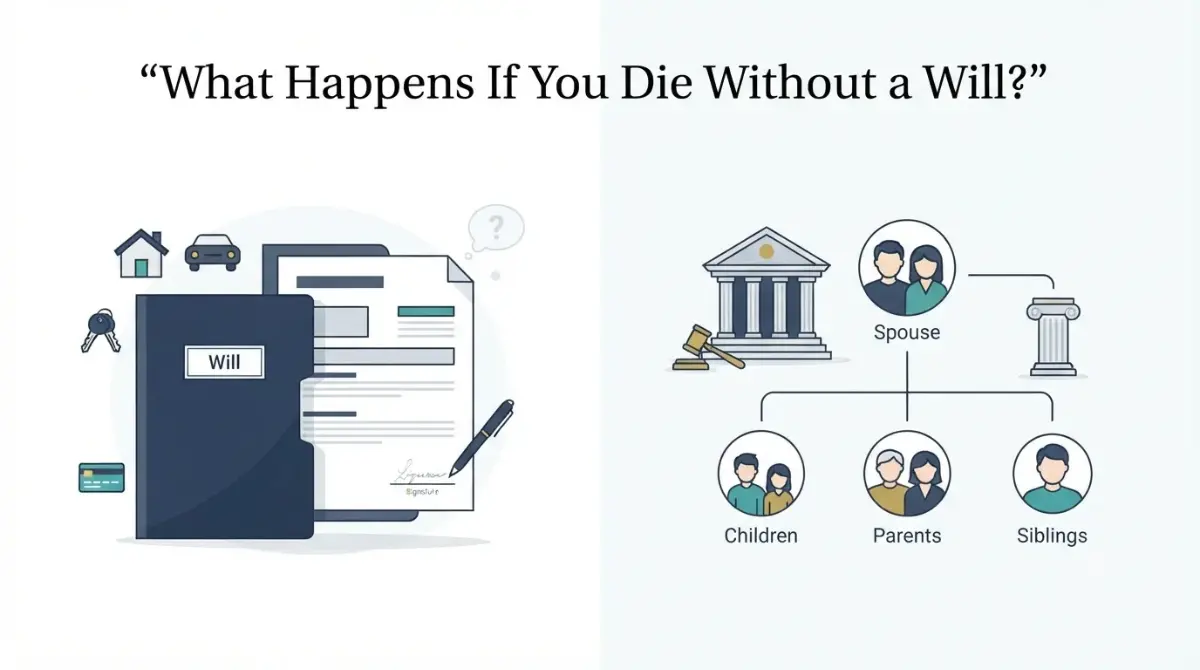 Estate Planning
A Clear Look at What Happens If You Die Without a Will
September 30, 2026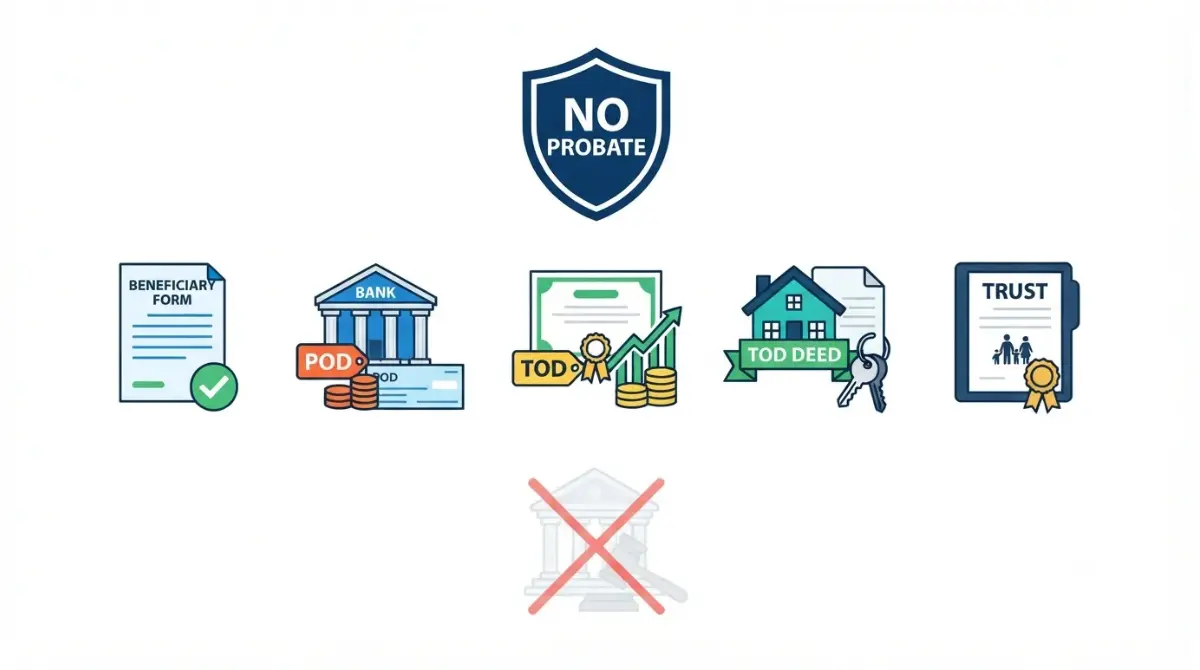 Estate Planning
How to Avoid Probate With the Right Tool for Each Asset
September 28, 2026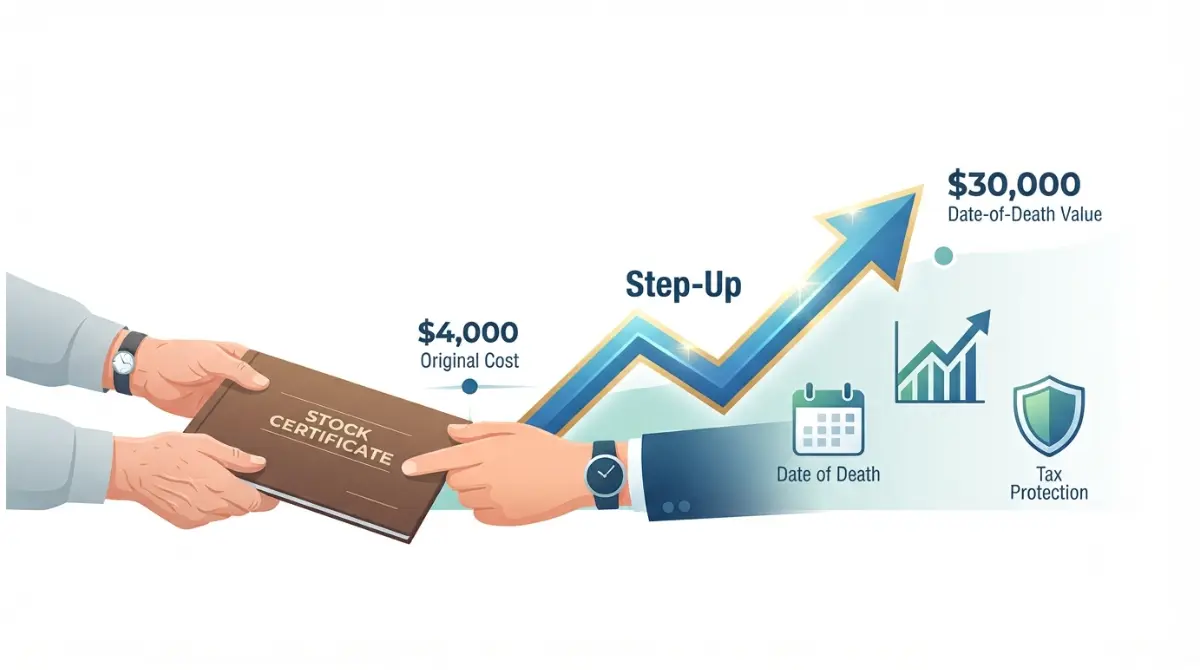 Estate Planning
How a step-up in basis can cut tax on inherited stock
September 26, 2026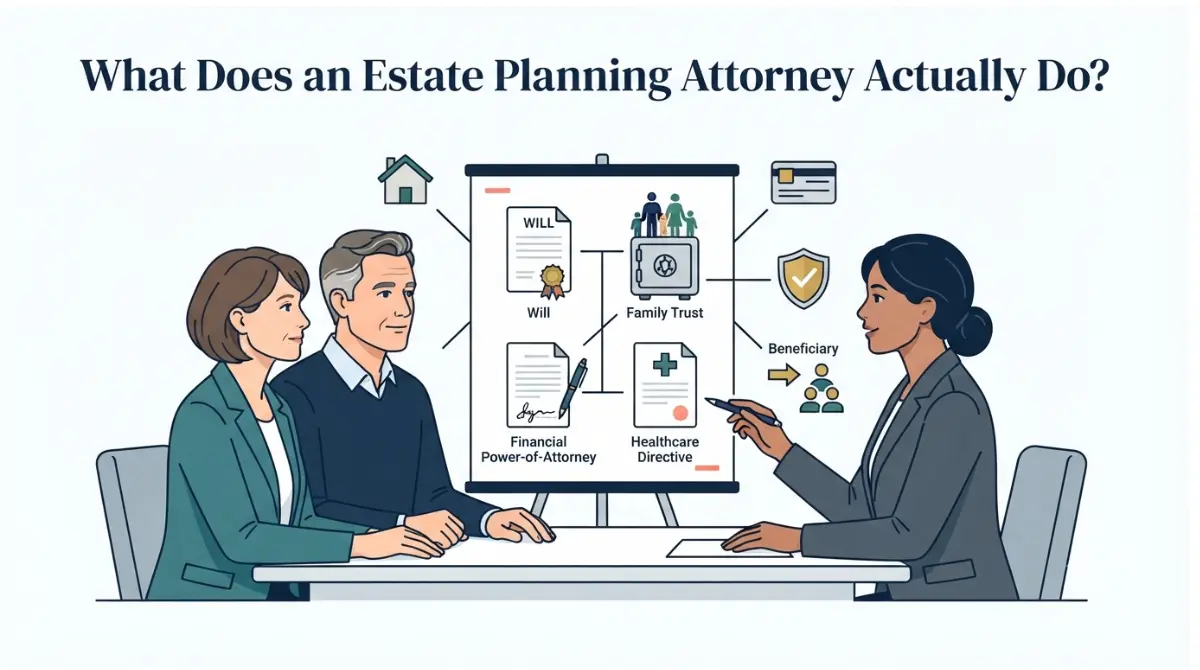 Estate Planning
How to Choose an Estate Planning Attorney You Can Verify
September 22, 2026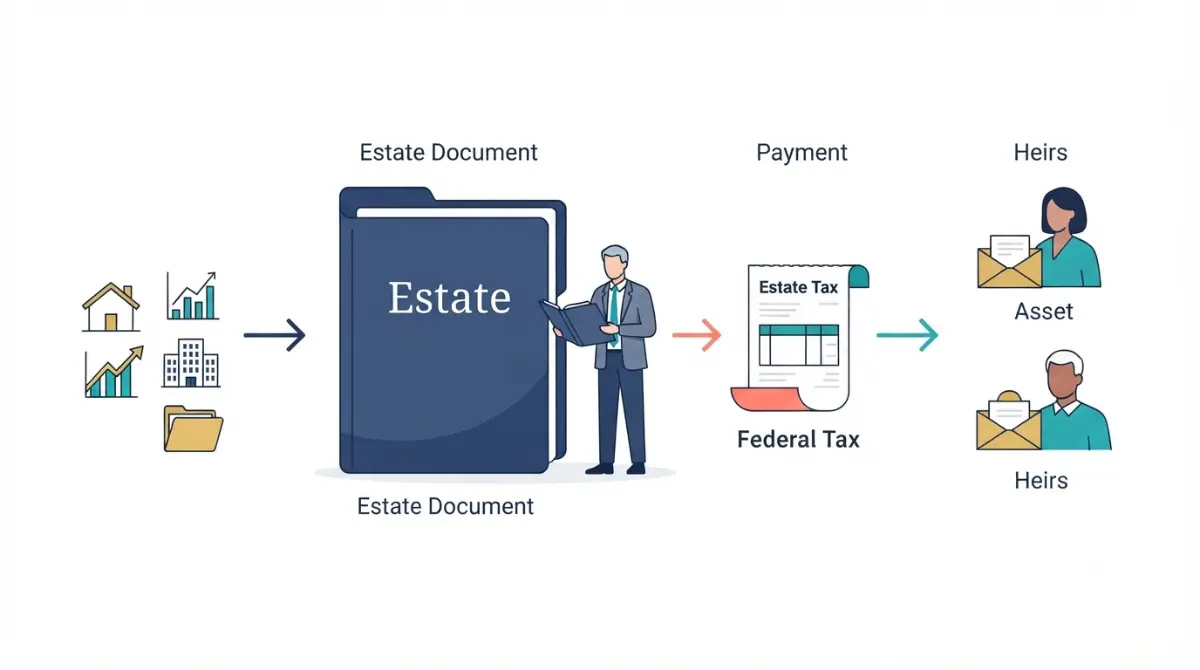 Estate Planning
Who Pays Estate Tax, and How Rarely Estates Actually Owe It
September 23, 2026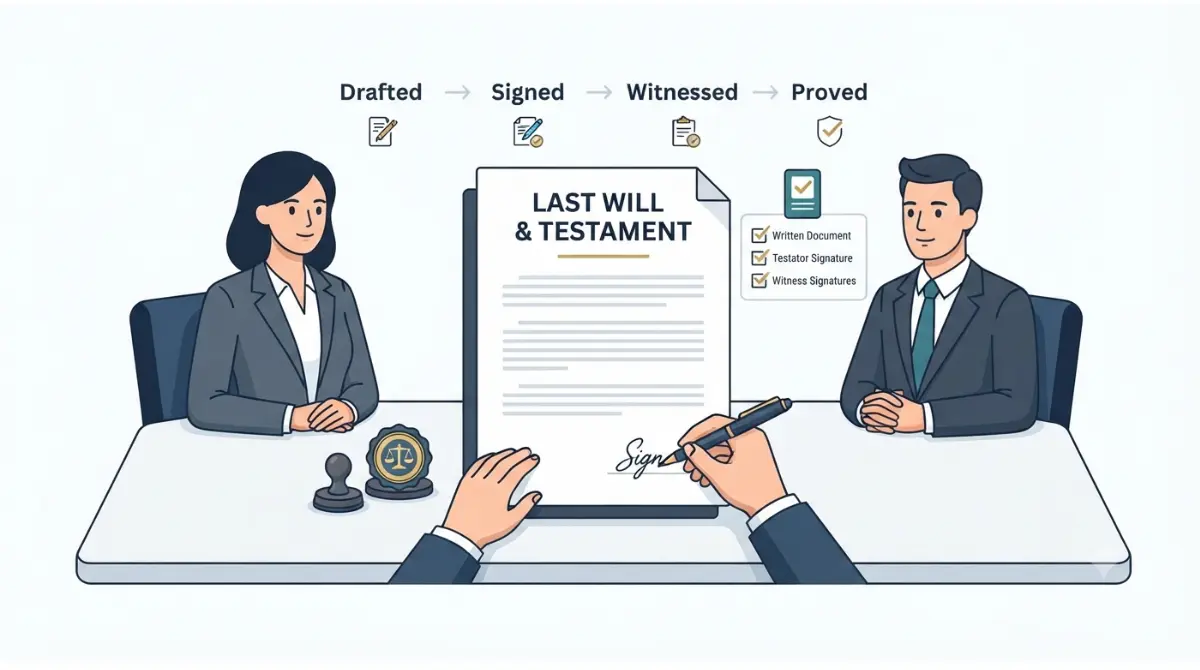 Estate Planning
How to make a will and avoid the errors that void it
September 18, 2026
Informational disclaimer
The content on Finance Authority Hub is provided for general informational and educational purposes only and should not be considered personalized financial, investment, tax, legal, or professional advice. Financial decisions depend on your individual goals, income, risk tolerance, location, and regulatory situation. Before acting on any information, strategy, estimate, or calculator result, consult a qualified licensed professional who can evaluate your specific circumstances.