A Clear Look at Fixed Indexed Annuity Caps, Floors, and Returns

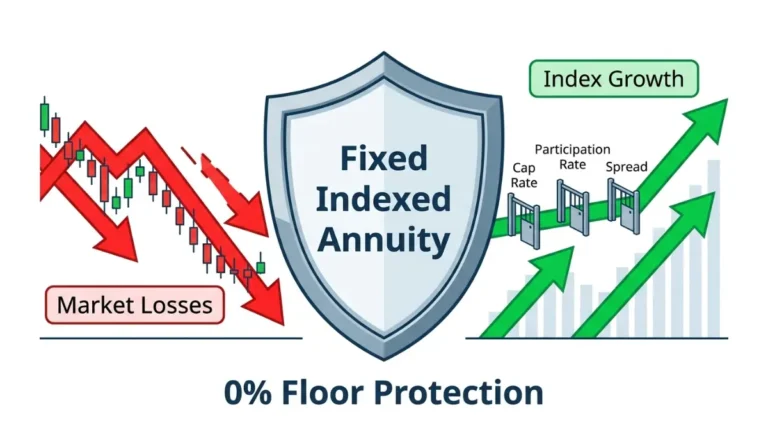
Fixed indexed annuities hit a record $127.9B in 2025 — but the 0% floor that attracts buyers comes with caps that limit your real return.
Independent money education for US readers. Not financial advice.

Education, not advice. Written for US readers.
 BySameer Patel
Last Updated:
Fixed indexed annuities hit a record $127.9B in 2025 — but the 0% floor that attracts buyers comes with caps that limit your real return.
 BySameer Patel
Last Updated:
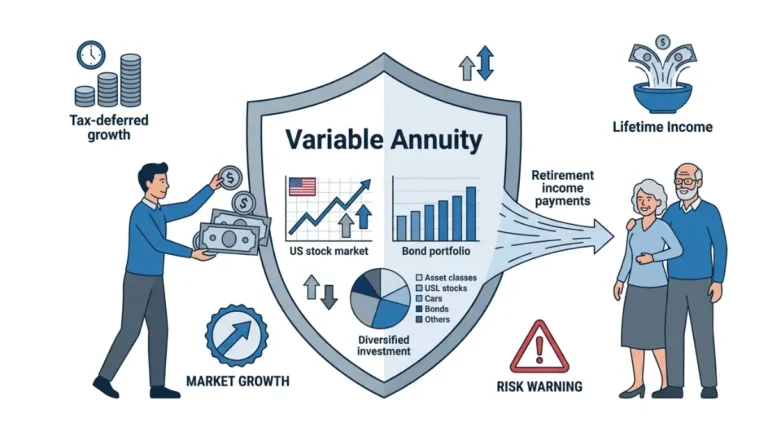
A variable annuity blends market growth with insurance — but its ~1.25% M&E fee, surrender charges, and 10% early-withdrawal penalty hide the real cost.
 BySameer Patel
Last Updated:
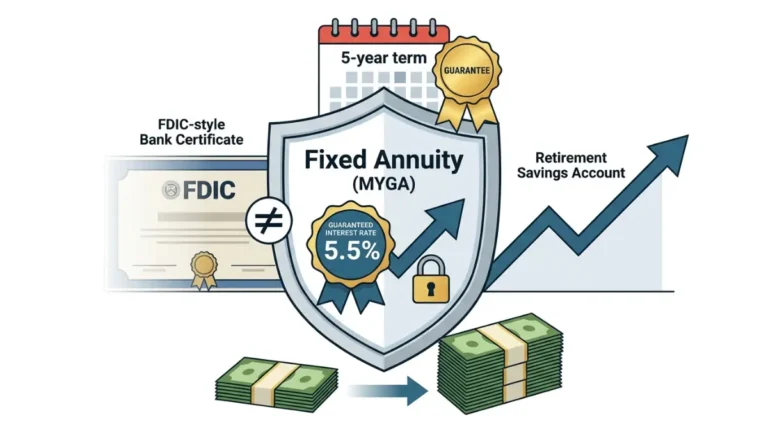
Fixed annuity rates look attractive right now, but the real cost of a MYGA shows up if you cash out before 59½. Here’s how they actually work.
 BySameer Patel
Last Updated:
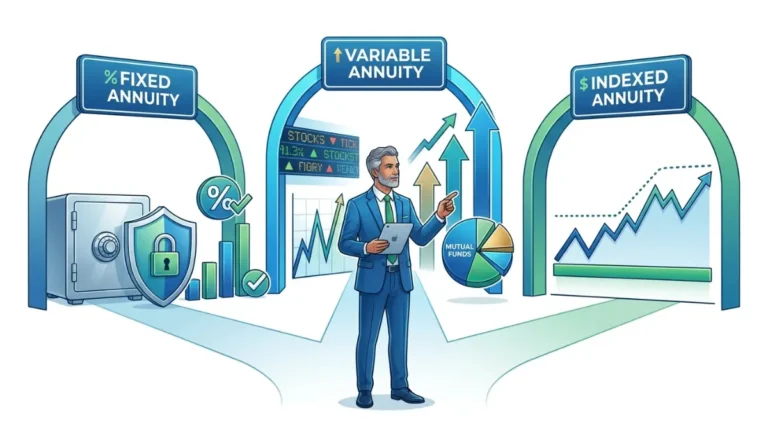
The types of annuities aren’t interchangeable: fixed locks a rate, variable rides the market, indexed caps gains behind a 0% floor. Here’s which fits.
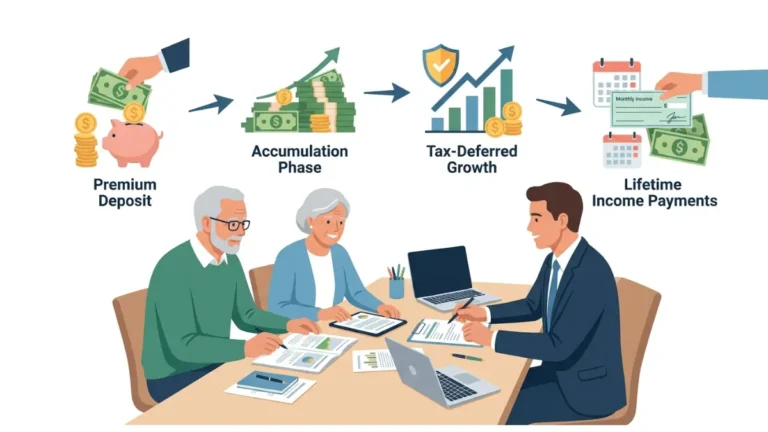 BySameer Patel
Last Updated:
How annuities work comes down to two phases and their cost. The honest version: payouts, the 10% penalty before 59½, and the fees that erode returns.
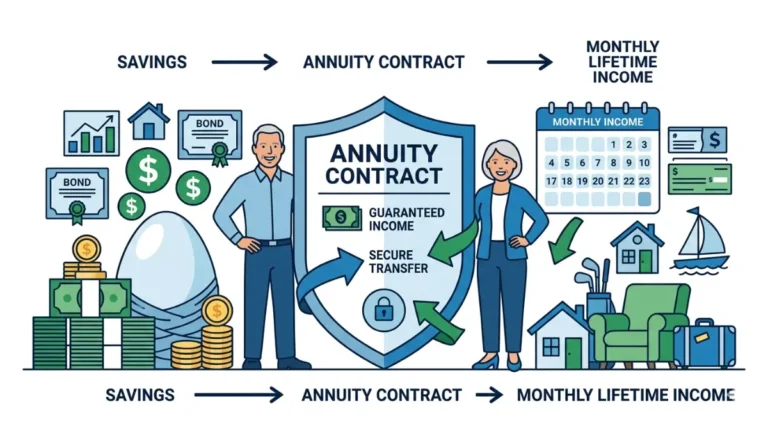 BySameer Patel
Last Updated:
Is an annuity worth it? The answer is in the fees — near zero on a fixed annuity, over 3% a year on a variable one. Here’s how to decide.
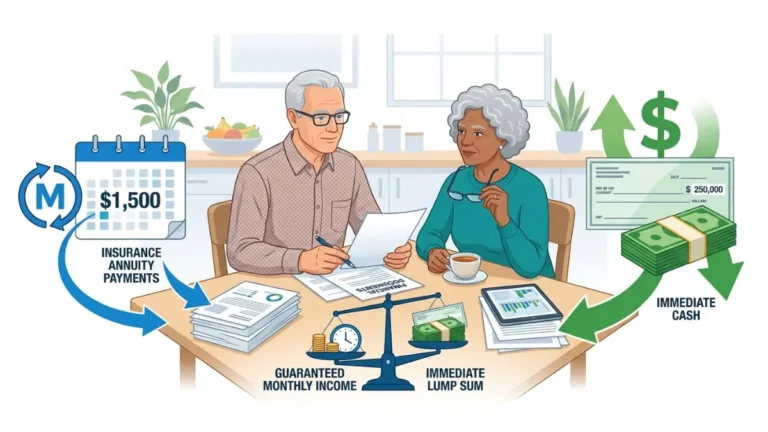 BySameer Patel
Last Updated:
Structured settlement payments of $1,500 a month feel safe—until a buyer offers cash. See the real cost, court approval, and keep-or-sell math.
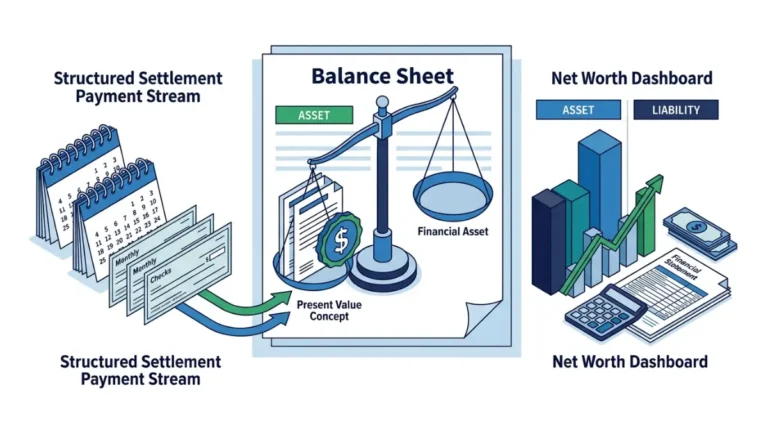 BySameer Patel
Last Updated:
Structured settlement net worth confuses most people—it’s present value, not face total. Here’s the right number for every form you fill out.
 BySameer Patel
Last Updated:
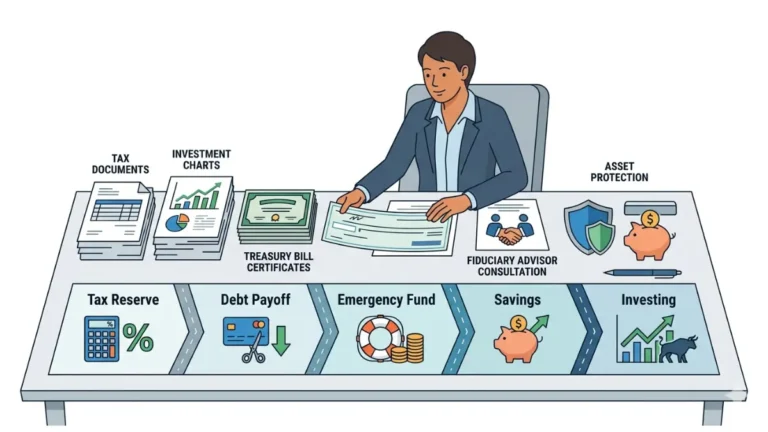
Large settlement money is protected only to $250,000 per bank, and punitive damages are taxable. Here’s the first-30-days plan most people skip.
 BySameer Patel
Last Updated:
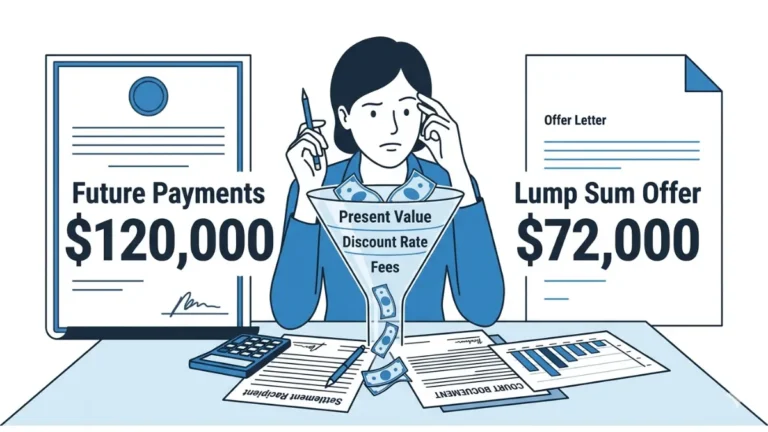
Structured settlement factoring requires court approval and a ‘best interest’ finding — see the four inputs that shape your lump-sum offer.