The 1982 Law Behind Tax-Free Structured Settlements

Structured settlement payments escape federal income tax because of one 1982 law—and a later rule decides who pays the 40% tax when you sell.
Independent money education for US readers. Not financial advice.

Education, not advice. Written for US readers.
 BySameer Patel
Last Updated:
Structured settlement payments escape federal income tax because of one 1982 law—and a later rule decides who pays the 40% tax when you sell.
 BySameer Patel
Last Updated:
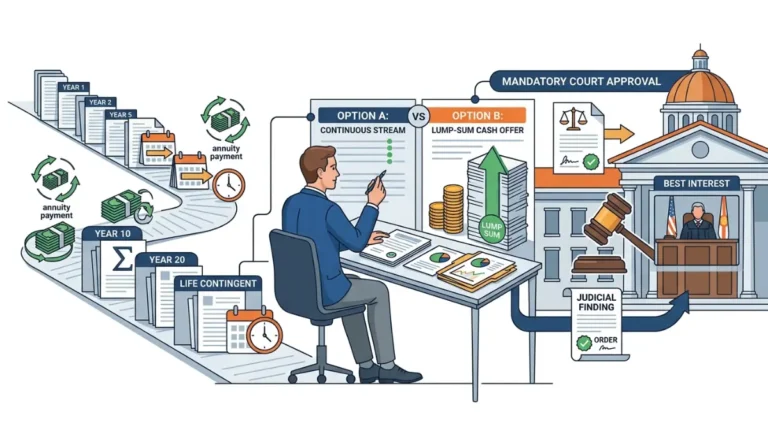
Florida structured settlement sales need court approval, and the payout runs well below face value. See the 45–90 day process and what you keep.
 BySameer Patel
Last Updated:
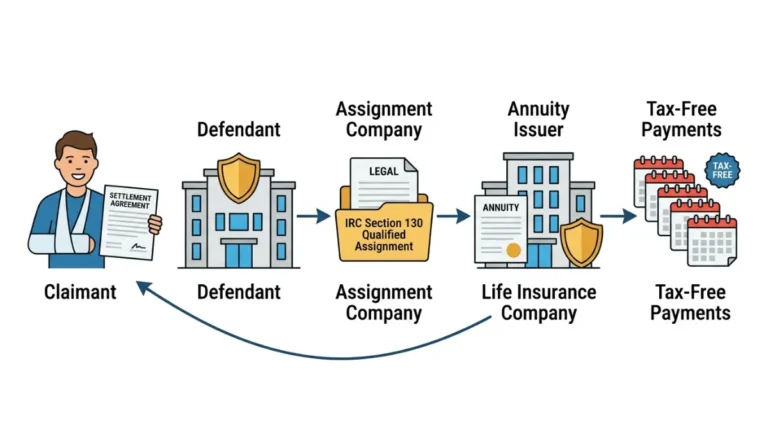
Qualified assignments make injury settlements tax-free under IRC 130—but selling those payments can trigger a 40% tax most sellers never see coming.
 BySameer Patel
Last Updated:
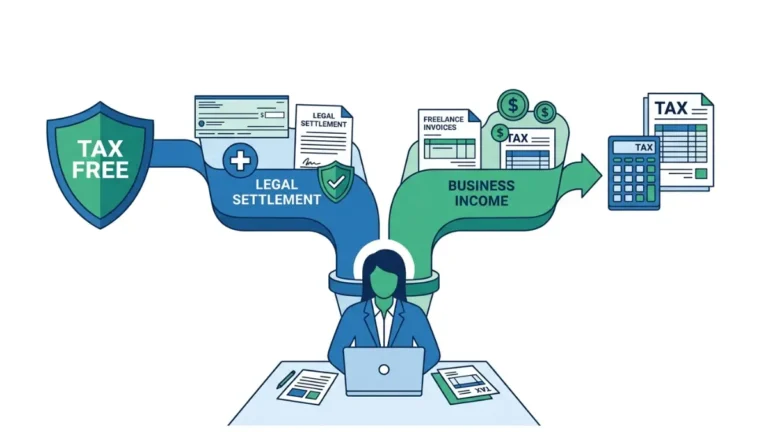
Structured settlement money never counts toward the $184,500 Social Security wage base or your self-employment tax—see why, and what still gets taxed.
 BySameer Patel
Last Updated:
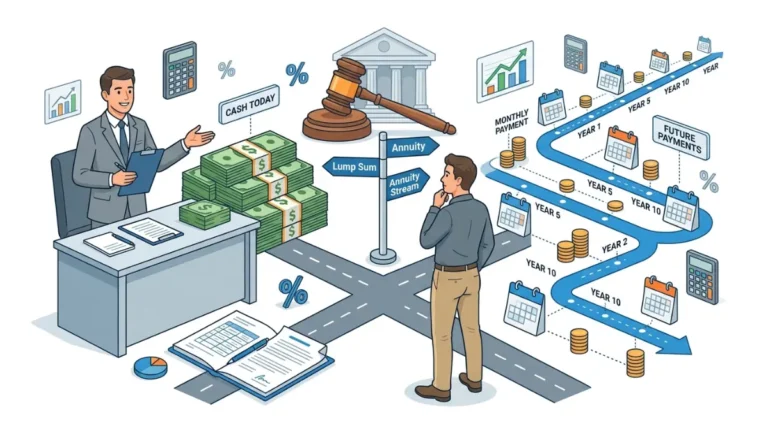
A structured settlement cash advance is legal only with a judge’s approval — and a 2026 personal loan near 12% APR often costs far less.
 BySameer Patel
Last Updated:
Personal injury structured settlement talks involve five parties and one irreversible signature. Know who’s across the table before you negotiate.
 BySameer Patel
Last Updated:
Received a structured settlement offer? A CFA explains the tax-free rules and the one move to make before you sign.
 BySameer Patel
Last Updated:
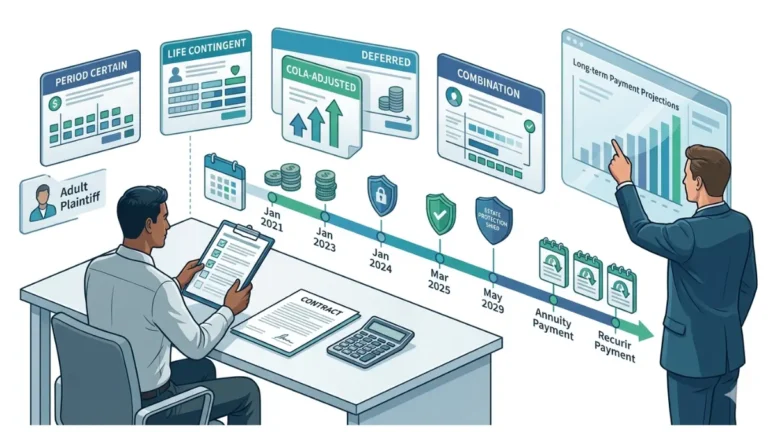
Structured settlement payment schedule types differ by more than timing — at the May 2026 IRS rate of 5.00%, each carries a very different real value.
 BySameer Patel
Last Updated:
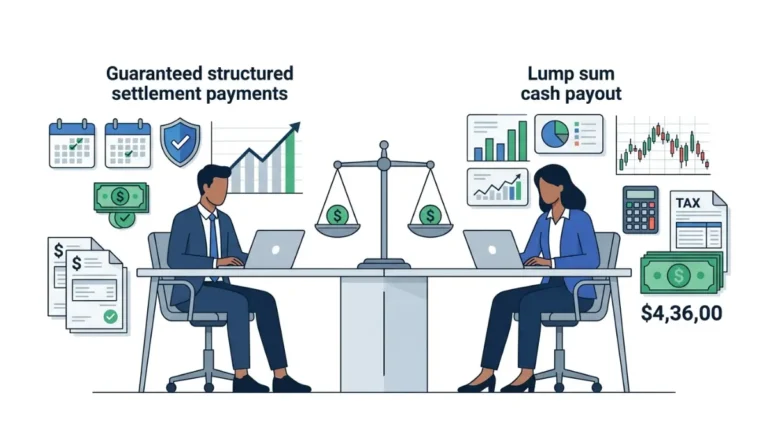
Lump sum vs structured settlement: the 2026 NPV math reveals what break-even return rate you need before a factoring offer makes financial sense.
 BySameer Patel
Last Updated:
Structured settlement retirement income is federally tax-free — but one IRS carve-out and a factoring decision can erase $30,000. Know both rules first.