Structured Settlement Taxes and IRS Filing Rules

Structured settlement taxes under IRC §104 can stay excluded, but one Form 1099 mistake may trigger IRS correspondence and amended returns.
Independent money education for US readers. Not financial advice.

Education, not advice. Written for US readers.
 BySameer Patel
Last Updated:
Structured settlement taxes under IRC §104 can stay excluded, but one Form 1099 mistake may trigger IRS correspondence and amended returns.
 BySameer Patel
Last Updated:
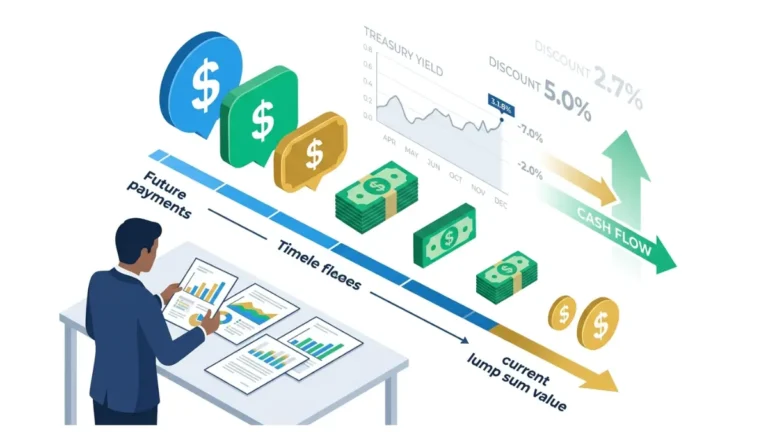
Structured settlement present value isn’t face value — a 2026 CFA calculation shows why $360,000 in payments may be worth just $124,200 to a buyer.
 BySameer Patel
Last Updated:
Sell structured settlement credit score concerns stem from confusion about FICO reporting, hard inquiries, and mortgage income verification rules.
 BySameer Patel
Last Updated:
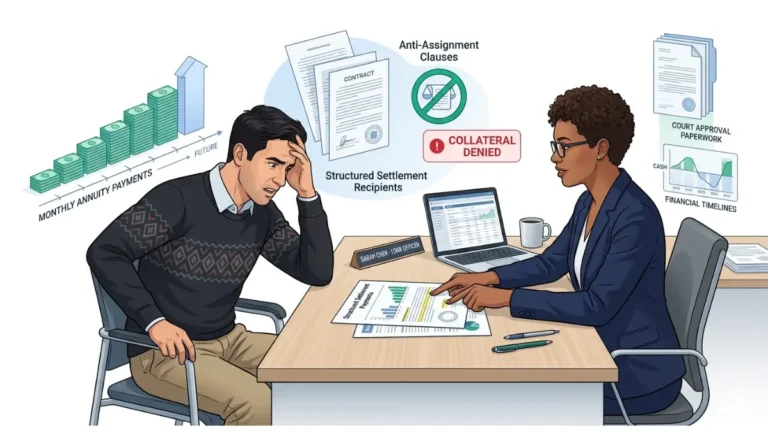
Structured settlement loans aren’t loans — factoring companies charge 45% APR while quoting 13%. A CFA breaks down the legal block and the true cost.
 BySameer Patel
Last Updated:
Structured settlement inflation is silently erasing your purchasing power — a $2,000 monthly payment started in 2006 is now worth just $1,126.
 BySameer Patel
Last Updated:
Inheriting a structured settlement means IRC §104 tax rules, a 30-day claim window, and up to 18% factoring fees. Here’s what heirs actually need.
 BySameer Patel
Last Updated:
Structured settlement in divorce: courts in 41 states can divide yours — and the discount rate gap can cost $85,000.
 BySameer Patel
Last Updated:
Structured settlement Medicaid rules work against you the moment a lump sum arrives — CMS’s 2026 $2,000 asset limit can suspend coverage that same day.
 BySameer Patel
Last Updated:
Structured settlement scams cost recipients $40,200 on a single deal when discount rates exceed the 2026 NSSTA fair-market threshold of 11.4%.
 BySameer Patel
Last Updated:
Structured settlement brokers earn 3%–5% on every annuity — and the insurer pays all of it. Here’s who the broker actually works for.