A Clear Look at What Happens If You Die Without a Will
Dying without a will hands the decisions to state law. In one 2025 survey, just 24% of adults said they have a will. Here is who inherits when you don’t.
Independent money education for US readers. Not financial advice.

Education, not advice. Written for US readers.

Dying without a will hands the decisions to state law. In one 2025 survey, just 24% of adults said they have a will. Here is who inherits when you don’t.

Special needs trust spending rules changed: food stopped counting against SSI on September 30, 2024; cash and shelter still can.
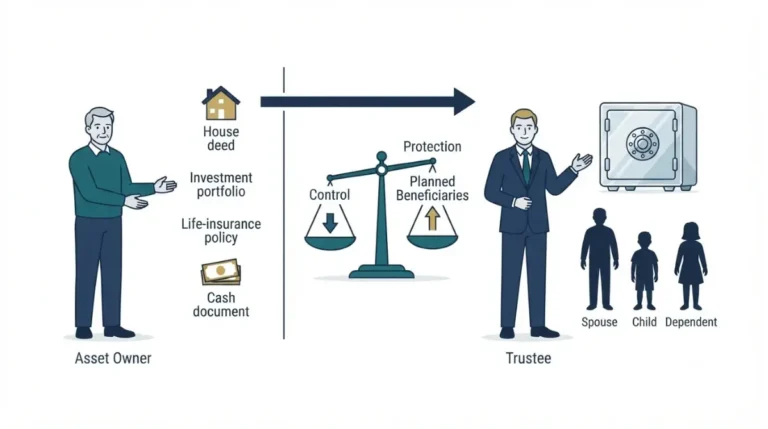
An irrevocable trust trades control for protection, but a non-grantor trust hits the 37% bracket above $16,000 in 2026. Here’s when the trade is worth it.
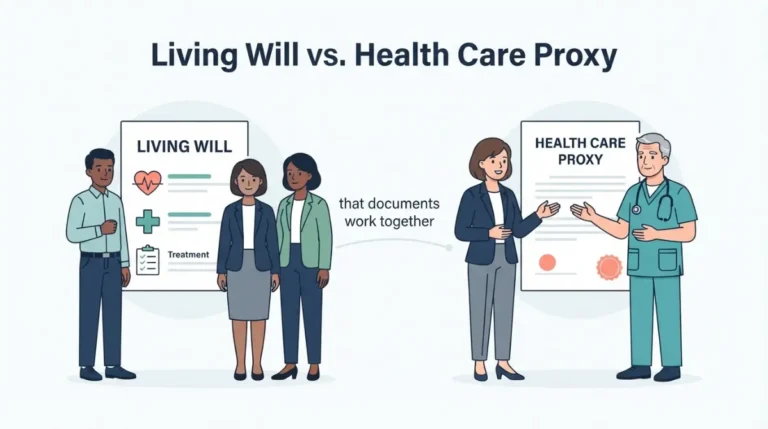
Living will or health care proxy? A Health Affairs review found just 36.7% of US adults had any advance directive. Here’s who decides for everyone else.
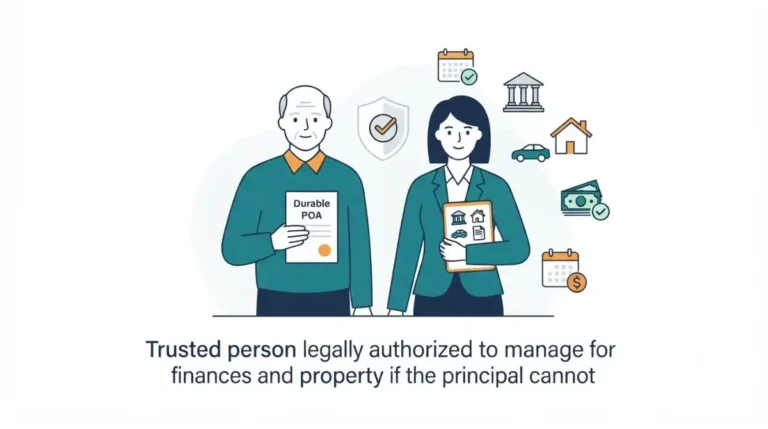
Durable power of attorney agents can pay bills and taxes, but gifts need express authority—and gifts over $19,000 per person in 2026 need Form 709.

Your beneficiary designation beats your will, and in Egelhoff v. Egelhoff (2001) the Supreme Court let an ex-wife collect benefits her ex never updated.
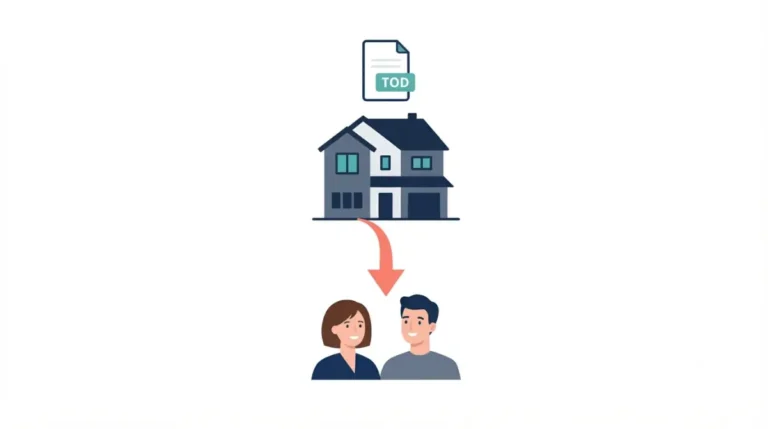
A transfer on death deed can skip probate, but California’s version is set to expire in 2032 unless lawmakers extend it. Here’s what else heirs miss.
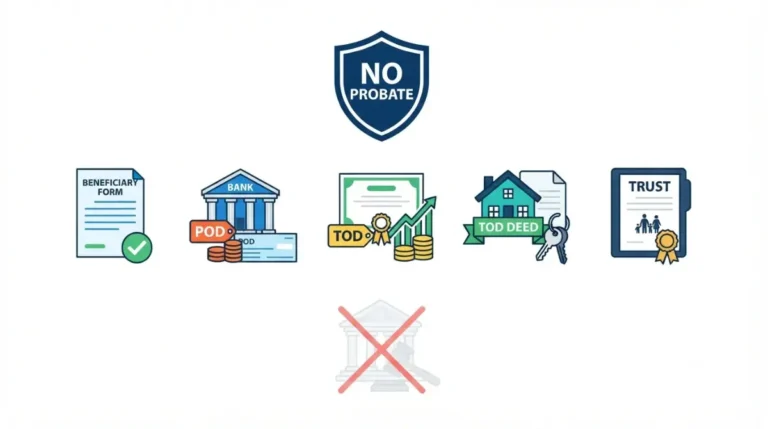
Avoiding probate often starts with a free form: POD bank accounts are FDIC-insured up to $250,000 per beneficiary, and each asset needs its own tool.

Probate can’t close before its creditor window ends: 3 to 4 months after notice in states like Idaho and Utah. Here’s what sets the real timeline.
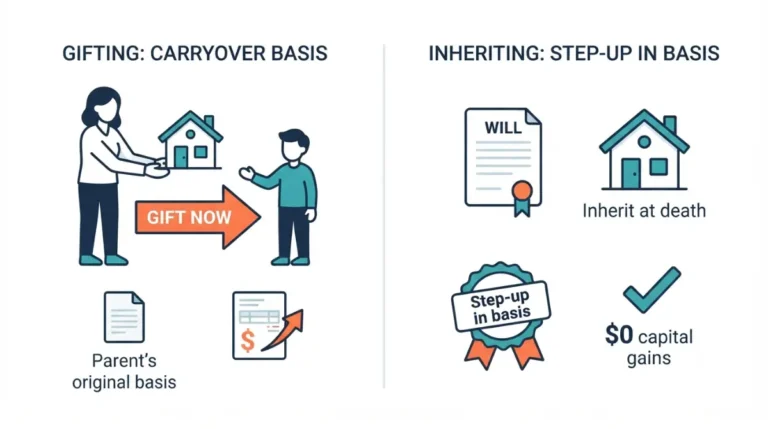
Gifting a house to your child in 2026 usually means filing Form 709, not paying gift tax. The bigger cost shows up later, when your child sells.