A Clear Look at Estate Planning Costs for a Will, Trust, and POA
Estate planning costs vary more by law firm than by state. In one 2026 survey, Colorado trust quotes ranged from $1,100 to $3,125 in the middle half.
Independent money education for US readers. Not financial advice.

Education, not advice. Written for US readers.
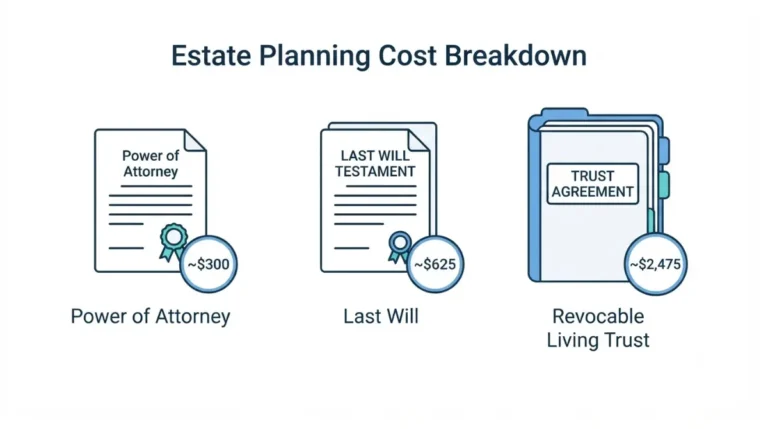
Estate planning costs vary more by law firm than by state. In one 2026 survey, Colorado trust quotes ranged from $1,100 to $3,125 in the middle half.
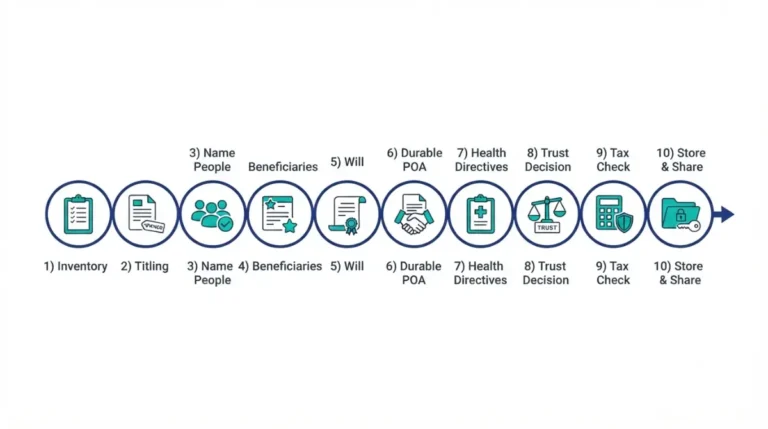
An estate planning checklist fails when it’s unordered: beneficiary forms on a 401(k) or life policy outrank your will, whatever the will says.

Funding a living trust takes three mechanisms, not one. FDIC trust coverage caps at $1,250,000 per owner per bank at five or more beneficiaries.

Setting up a living trust takes six steps. Your retitled bank account stays FDIC insured at $250,000 per beneficiary — but step six is where plans fail.

How to make a will comes down to the signing room: two witness signatures, an interested-witness trap, and eleven states that can forgive a mistake.

A will or trust won’t control an account with a TOD form, since the named beneficiary inherits it. See what your paperwork already decides first.

Assets not covered by a will include POD accounts, which FDIC insures up to $250,000 per beneficiary. Here is who really inherits yours.
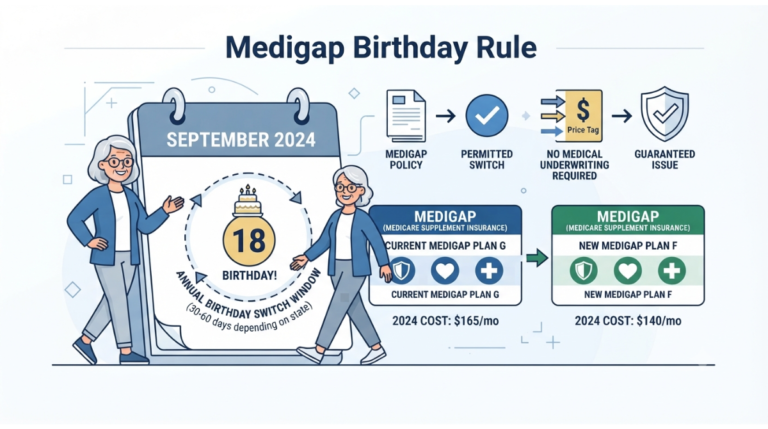
Medigap birthday rule states differ more than published lists show: California’s window opens on your birthday, Oregon’s 30 days before it.

Medicare premiums are tax deductible, but Part B’s $202.90 a month rarely clears the 7.5% floor — and clearing it is only the first of two hurdles.
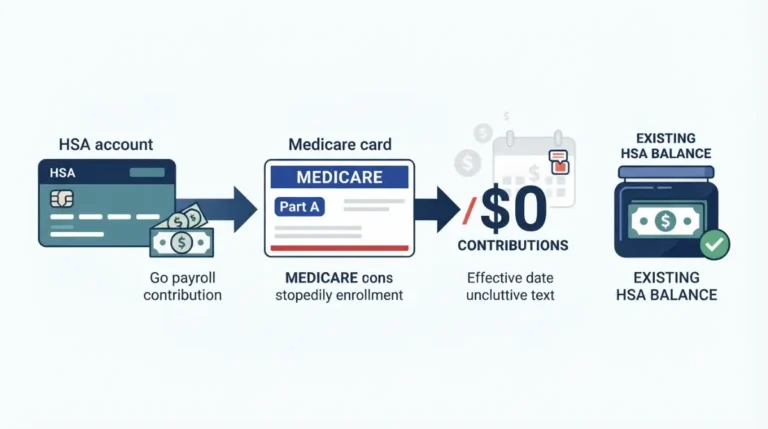
HSA and Medicare rules hinge on seven months, not six: your last legal contribution month sits one month before Part A backdates six months.