
A Clear Look at Tax Refund vs Owing, Run as Math
Tax refund vs owing comes down to one line: can you pay a bill under $1,000 in April? The IRS 7% underpayment rate shows what missing it costs.
In This Article
Is a big refund good news or a quiet cost?
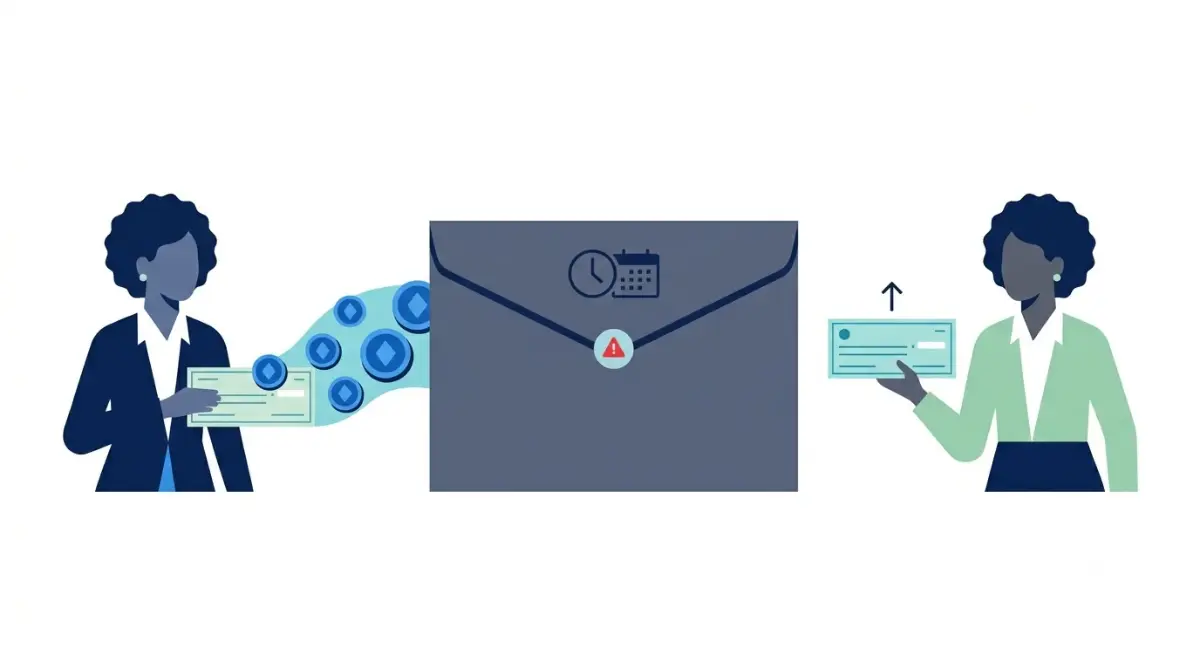
A big refund feels like a win, but it is your own money returning after a year of earning nothing. A tax refund is the gap between what was withheld and what you owed, so a bigger check means a bigger loan to the IRS.
Just got a large refund? Read the lost-interest section. Owe money? Jump to the penalty math. Setting withholding for next year? Start with the year-end steps, or see our tax refund formula with worked examples.
ℹ️ Financial Disclaimer: This is general education on tax withholding, savings interest, and credit card debt, not personalized advice. Consult a CPA about your return, a fiduciary advisor about where to hold cash, and a nonprofit credit counselor or tax attorney if you cannot pay.
Is it better to get a refund or owe taxes?
Neither is better by default. A refund means you lent the IRS money at 0% interest; owing under $1,000 after withholding and refundable credits generally avoids the underpayment penalty, so a small balance is the lower-cost target if you can pay it from cash.
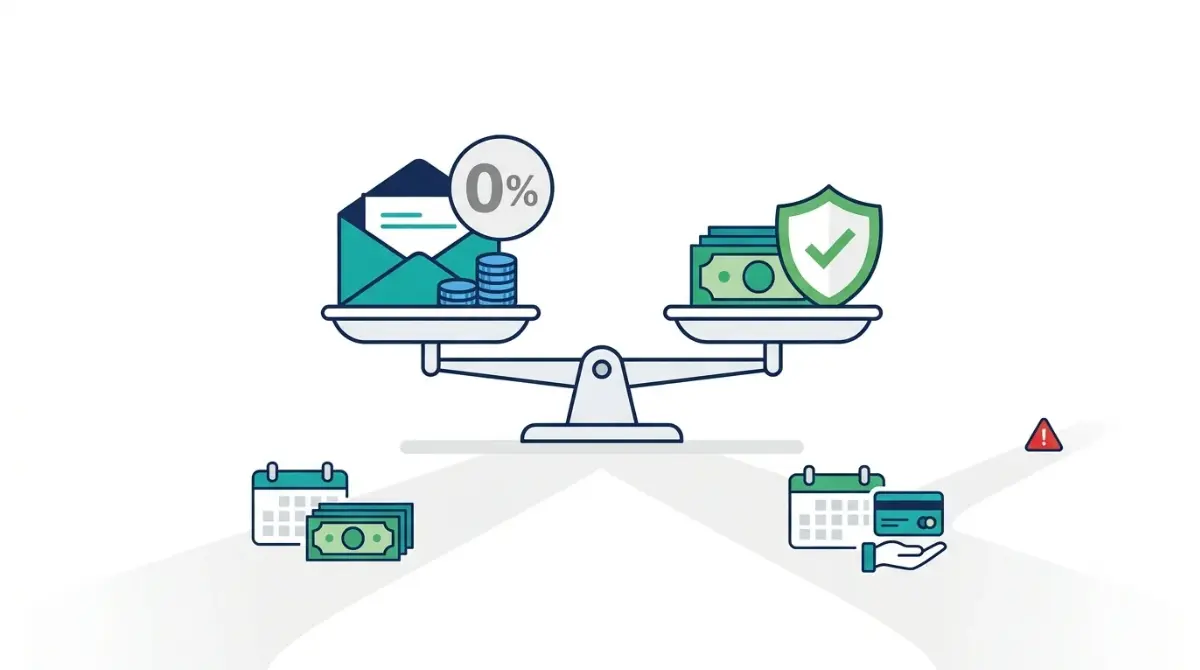
Why a refund works like an interest-free loan
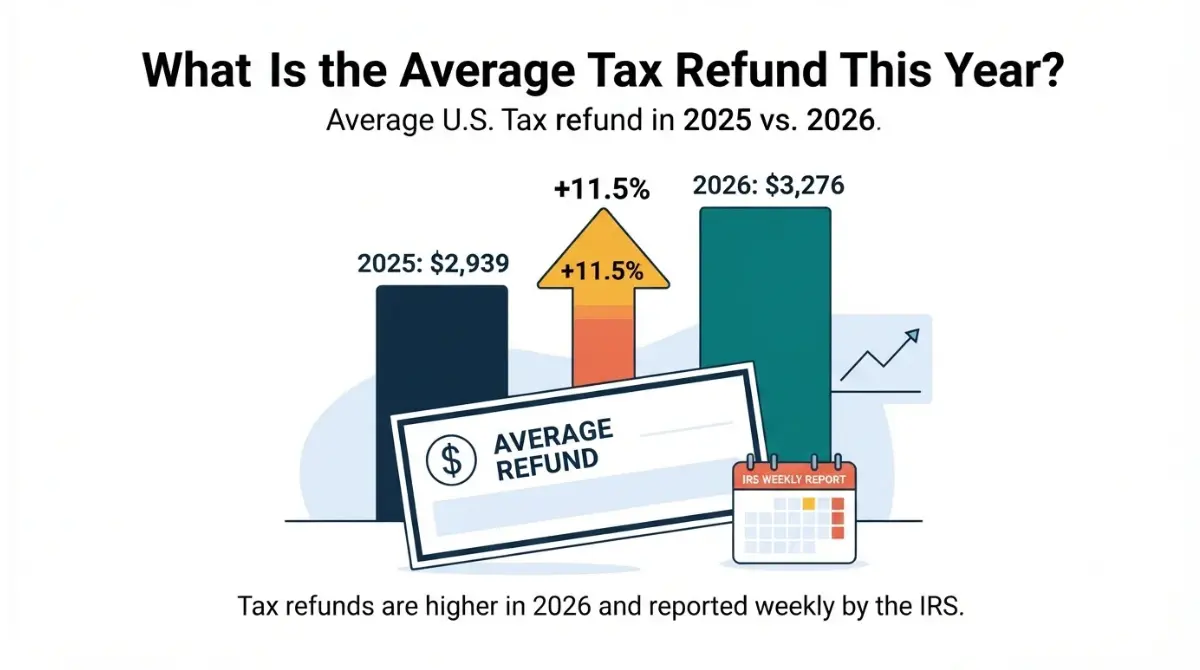
📊 Data Point: The average refund was $3,276 through the week ending May 8, 2026. — Source: IRS, filing season statistics.
It came back without interest. See why the average refund keeps changing.
When the IRS does owe you interest on a refund
The IRS adds interest only after 45 days from the later of the April deadline or your return’s receipt date; see how the IRS counts interest on a late refund.
What a refund costs you in lost interest
The cost of a refund is the interest you could have earned while the IRS held your money.
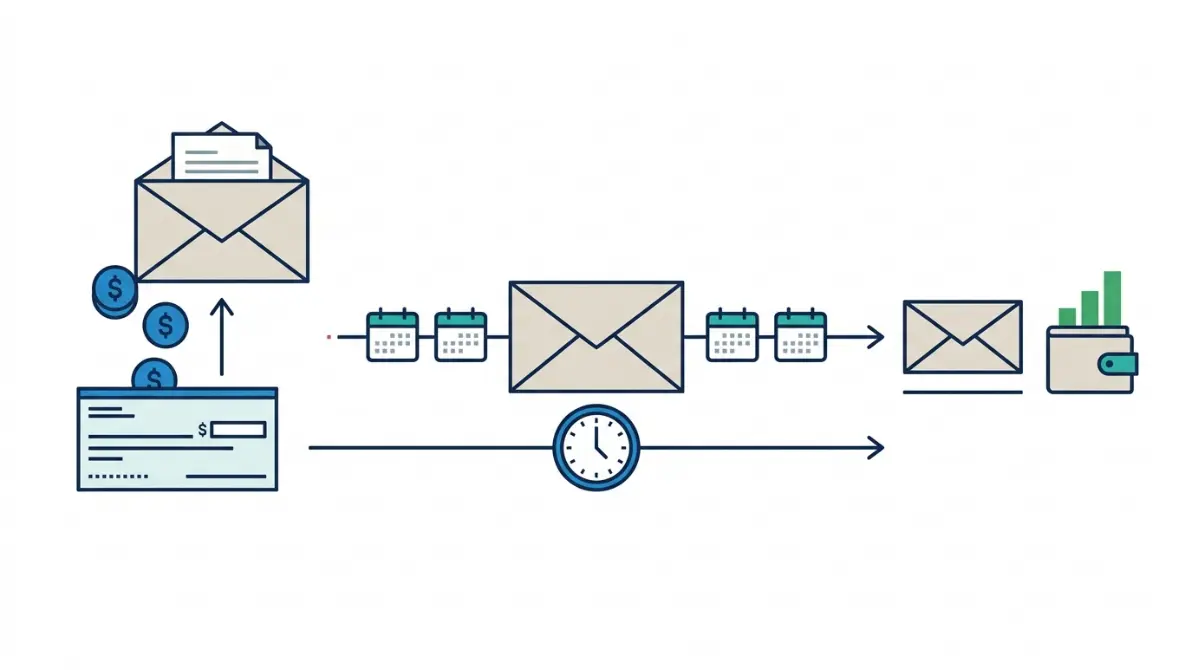
The formula and its three inputs
🔍 How It Works: Lost interest = refund × savings rate × years held. With 26 even biweekly paychecks in 2026, settled April 15, 2027, each overpaid dollar sits about 0.786 years on average. Simple, untaxed interest; not a Form 2210 calculation.
A $3,276 refund equals $273 a month ($3,276 ÷ 12) you could have had in each paycheck.
Break-even table: per $1,000 and per $3,276
| Rate | Lost on $1,000 | Lost on $3,276 | Key Detail |
|---|---|---|---|
| 0.38% | $2.99 | $9.79 | Low-yield savings |
| 4.00% | $31.45 | $103.04 | Illustrative high-yield |
| 7.00% | $55.04 | $180.31 | IRS underpayment rate |
Source: our calculation. 0.38% (FDIC national savings rate) is 4.00% is illustrative; 7% is the IRS Q4 2026 rate.
At 4.00%, savings earn 57% of what the IRS charges; at 0.38%, 5.4%. Test your rate with the compound interest calculator or savings calculator.
Why your refund is not all over-withholding
Refundable credits count as payments, so only the over-withheld part of a refund earns this math.
What owing costs if you miss the safe harbor
Owing is cheap only inside the safe harbor.
The two IRS tests that avoid the penalty
Per IRS Topic 306, you generally avoid the penalty if you owe under $1,000 after withholding and refundable credits, or paid 90% of this year’s tax or 100% of last year’s, whichever is smaller. Higher-income taxpayers face special rules.
What the IRS charges on money you owe
The underpayment rate is 7% a year, compounded daily, through December 31, 2026: about $55 on $1,000 over 0.786 years, a manageable cost. Failure-to-pay generally adds 0.5% per month.
⚠️ Costly Mistake: Filing late to dodge payment. Failure-to-file generally runs 5% per month, ten times failure-to-pay; file on time regardless.
If you can’t pay in full
File on time, pay what you can, and ask the IRS about a payment plan.
✅ Action Step: Ask a CPA or enrolled agent: “Would a payment plan cost less than paying this balance by credit card?”
How to decide: three questions before you choose
Three answers show which target fits.
Can you pay a bill from cash on hand?
If a $1,000 balance would land on a credit card, owing costs more than a refund.
Are you inside the safe harbor?
If withholding clears the $1,000, 90%, or prior-year test, owing a small amount is free float.
Would you actually save the difference?
A refund works as forced savings; if you would spend the extra $273 a month, lost interest buys that discipline.
Does credit card debt change the answer?
Yes: a refund is a 0% loan while card debt accrues interest. See our credit card debt escape strategies or the credit card payoff calculator.
✅ Action Step: Ask a nonprofit credit counselor: “How fast does $273 a month clear my cards?”
How to set your withholding before year-end
Each remaining 2026 paycheck is a chance to adjust.
Run the estimator with a recent pay stub
The IRS Tax Withholding Estimator takes about 25 minutes for W-2 or pension income. Cross-check with the income tax calculator or an early refund estimate.
Hand your employer a new W-4
A new Form W-4 changes future paychecks only. See why next year’s refund may shrink.
The late-year catch-up formula
🔍 How It Works: Extra per paycheck = projected shortfall ÷ remaining paychecks. Example: $600 short with 6 paychecks left means $100 more each paycheck. Preview take-home with the paycheck calculator.
✅ Action Step: Re-run the estimator in late December; ask a CPA: “Does my side income need estimated payments?”
Mistakes that turn owing into a penalty
Most penalties trace to three habits.
Spending the float
Owing only works if the money stays put; spend it and April becomes a card balance.
Forgetting a second job or side income
Side income has no employer withholding, so estimated payments or extra W-4 withholding must cover it.
Treating credits as over-withholding
Credits count as payments, so a large credit can hide a withholding gap until filing.
Frequently Asked Questions
1. Is it better to get a tax refund or owe taxes?
Owing under $1,000 usually costs less than a refund, because a refund is an interest-free loan to the IRS, if you can pay it. Ask a CPA which target fits.
2. Is a tax refund an interest-free loan?
Yes. The IRS holds your over-withheld pay until you file and adds no interest when it refunds an on-time return within 45 days.
3. What is the average tax refund?
The IRS reported an average refund of $3,276 through the week ending May 8, 2026.
4. How much interest do you lose on a tax refund?
About $103 at a 4.00% savings rate on a $3,276 refund, held 0.786 years, under our stated assumptions.
5. How much can I owe without a penalty?
Generally under $1,000 after withholding and refundable credits, or 90% of this year’s tax or 100% of last year’s, whichever is smaller. Ask a CPA about higher-income rules.
6. What interest rate does the IRS charge if I owe?
The IRS underpayment rate is 7% a year, compounded daily, from October 1 through December 31, 2026.
7. What if I owe and can’t pay in full?
File on time anyway, since the failure-to-file penalty is far larger, then ask the IRS about a payment plan. Ask a CPA about plan costs.
8. How do I change my withholding?
Submit a new W-4 to your employer; the IRS Tax Withholding Estimator shows what to enter, and changes apply to future paychecks.
9. Is my whole refund over-withholding?
No. Refundable credits count as payments, so part of a refund can be credit money rather than overpaid tax.
10. Should self-employed people aim for a refund?
Side income has no employer withholding, so estimated payments should meet the safe harbor rather than aim for a refund. Ask a CPA about quarterly payments.
11. Does credit card debt change the tax refund vs owing answer?
Yes. A refund is a 0% loan to the IRS while card debt accrues interest, so cash may belong against the balance.
Conclusion
Refunds cost lost interest; owing costs penalties only outside the safe harbor. If you can pay a small bill, owing under $1,000 wins the tax refund vs owing math. Run the estimator and adjust before December 31.
Related Articles
 Tax Refund
A Clear Look at Why the Average Tax Refund Keeps Changing
October 9, 2026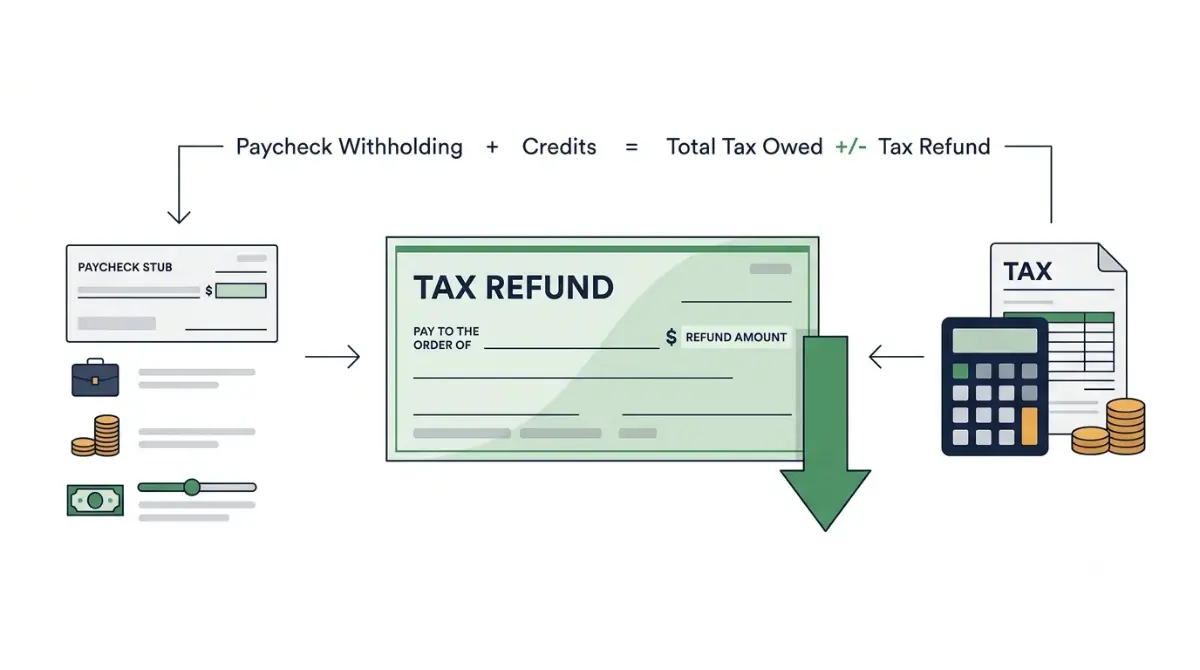 Tax Refund
Is Your Tax Refund Lower Than Last Year? Find the Real Reason
October 10, 2026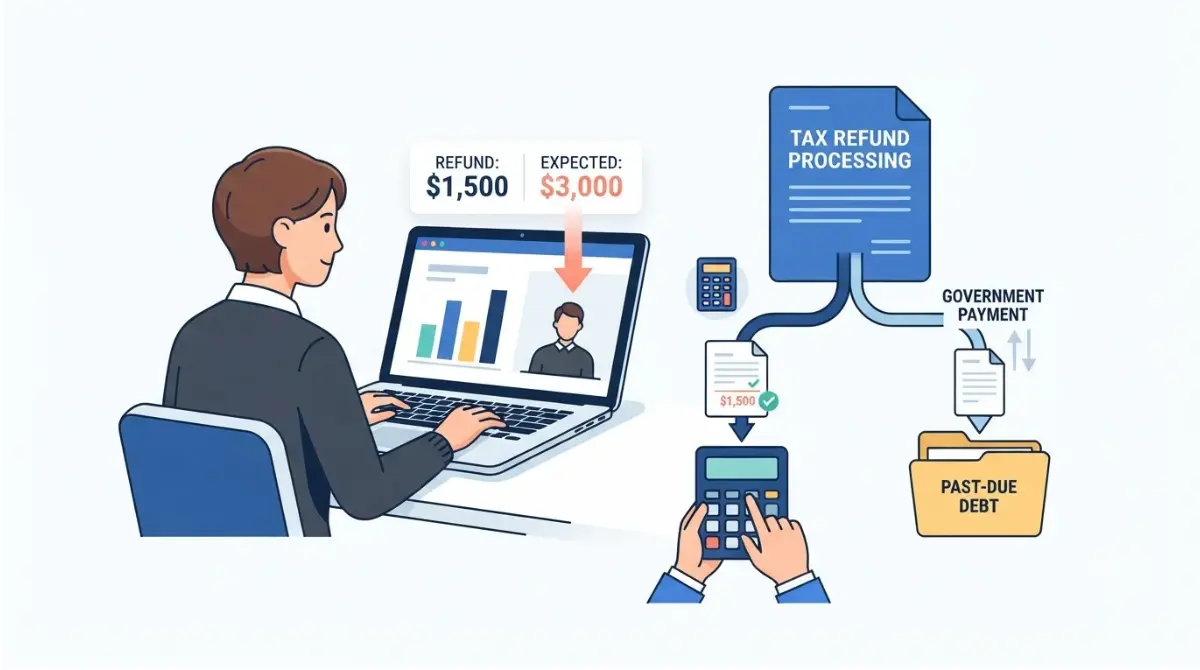 Tax Refund
The Right Way to Tell a Tax Refund Offset From a Correction
October 8, 2026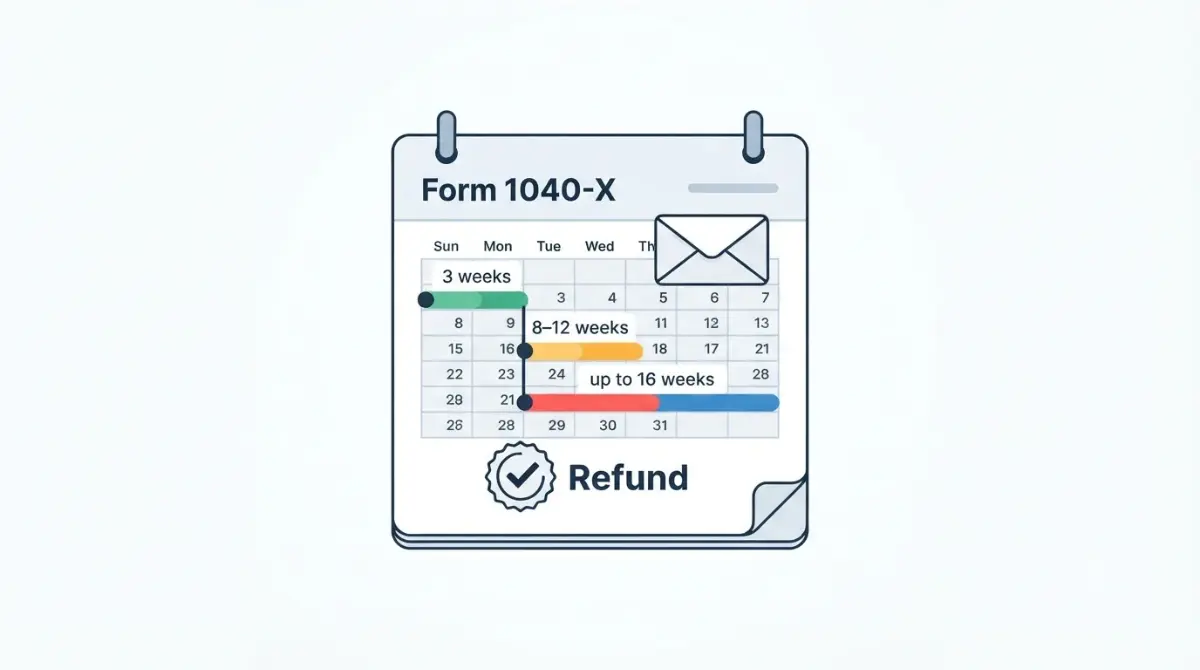 Tax Refund
The Key Return in Your Amended Return Refund Timeline
October 9, 2026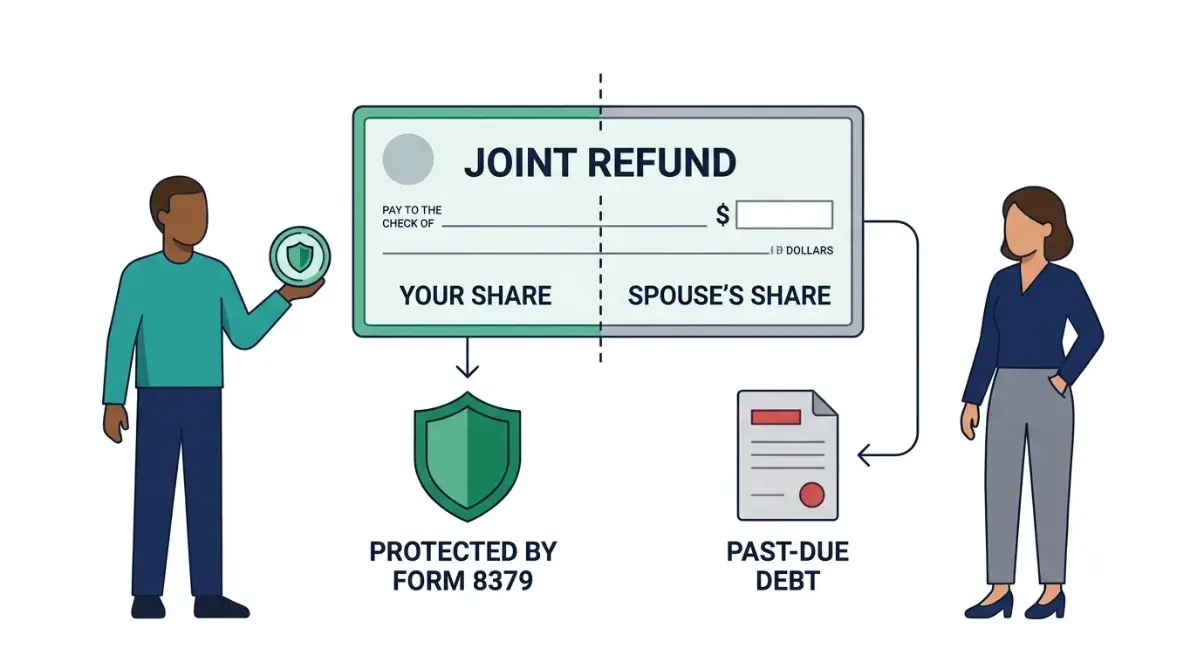 Tax Refund
How Injured Spouse Relief Returns Your Share of a Joint Refund
October 21, 2026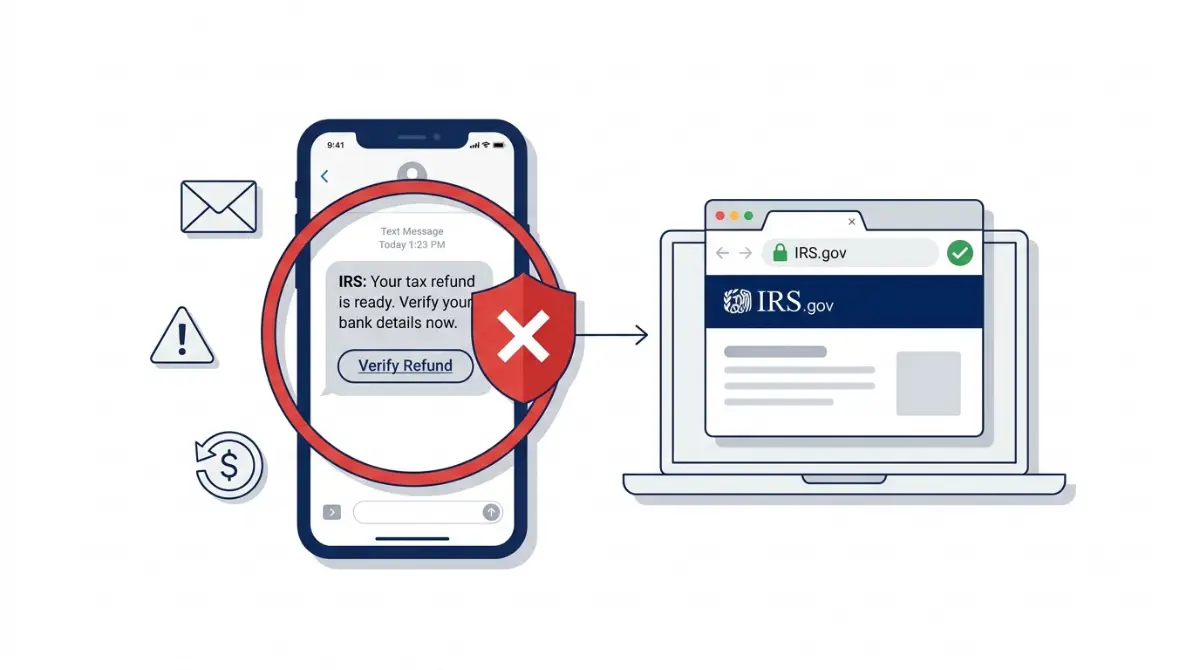 Tax Refund
 Scams and the Real Way the IRS Contacts You
October 17, 2026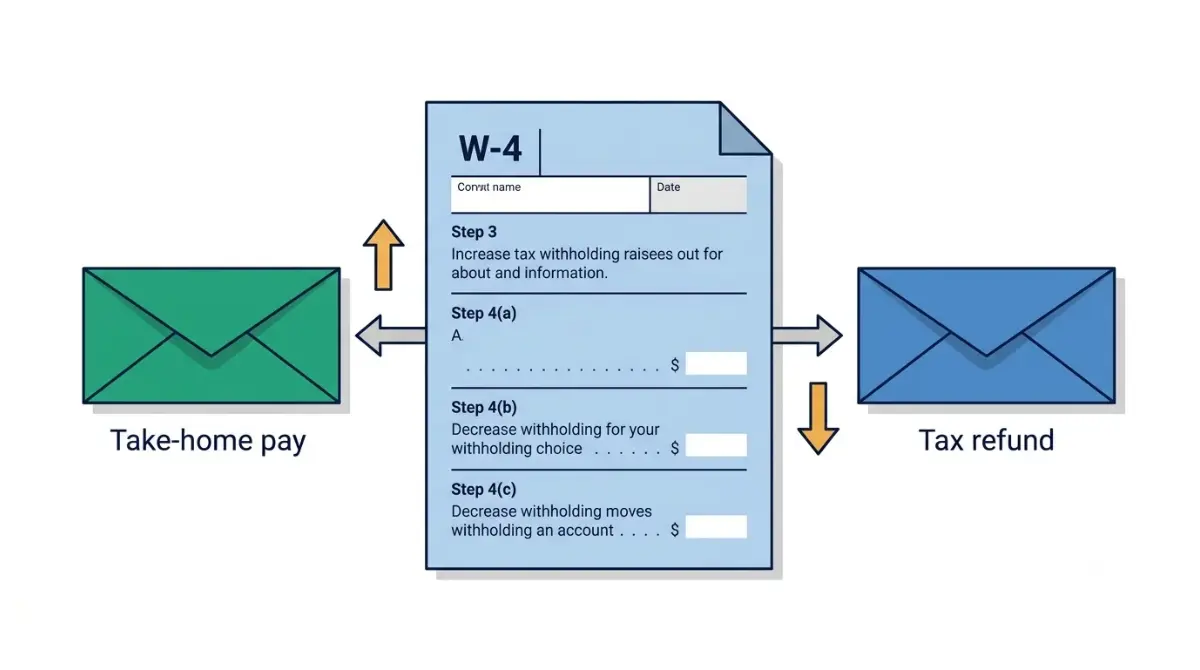 Tax Refund
A Clear Way to Adjust Your W-4 Refund Up or Down
October 12, 2026 Tax Refund
How to Make a Smart Tax Refund IRA Contribution for 2026
October 15, 2026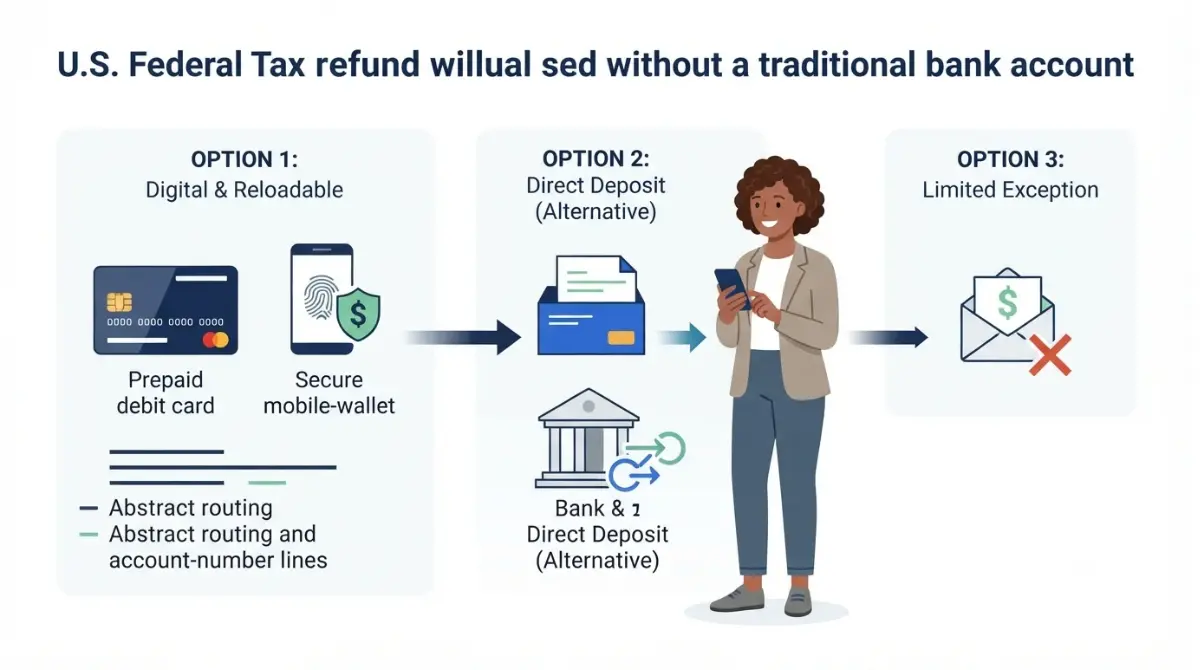 Tax Refund
 Without Bank Account? Your Clear Options Explained
October 9, 2026
Informational disclaimer
The content on Finance Authority Hub is provided for general informational and educational purposes only and should not be considered personalized financial, investment, tax, legal, or professional advice. Financial decisions depend on your individual goals, income, risk tolerance, location, and regulatory situation. Before acting on any information, strategy, estimate, or calculator result, consult a qualified licensed professional who can evaluate your specific circumstances.