Should Your Tax Refund Pay Debt or Save? Find the Right Split
Tax refund math: an average $3,276 refund avoids about $733 a year on a 22.36% card, but earns about $12 at the FDIC savings average.
Independent money education for US readers. Not financial advice.

Education, not advice. Written for US readers.
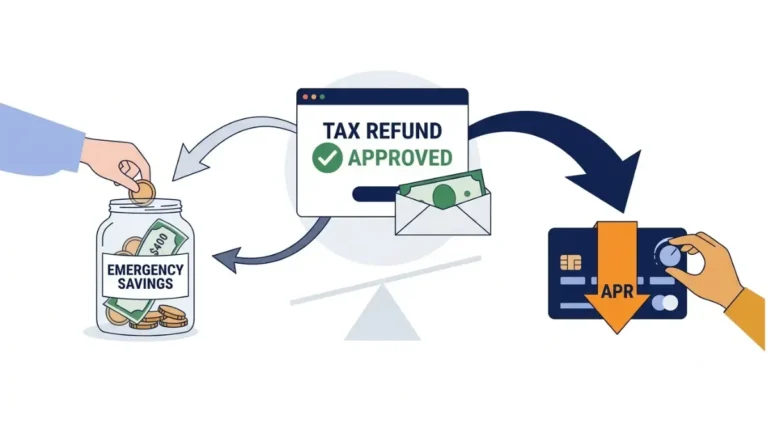
Tax refund math: an average $3,276 refund avoids about $733 a year on a 22.36% card, but earns about $12 at the FDIC savings average.
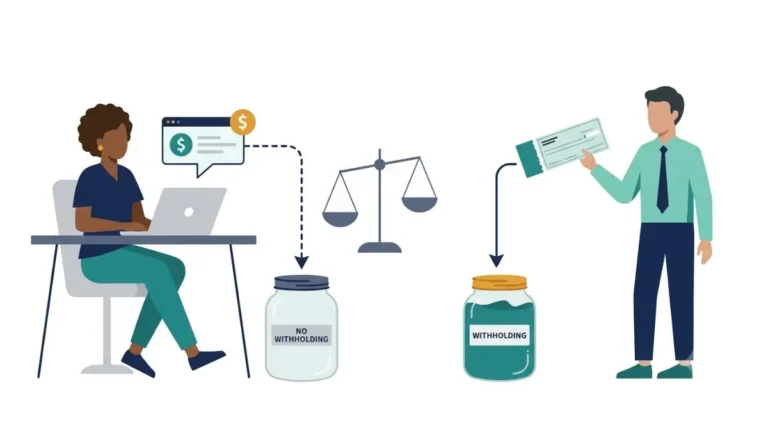
A self-employed tax refund is possible, but 15.3% self-employment tax applies to 92.35% of net profit. See one freelancer land in three outcomes.
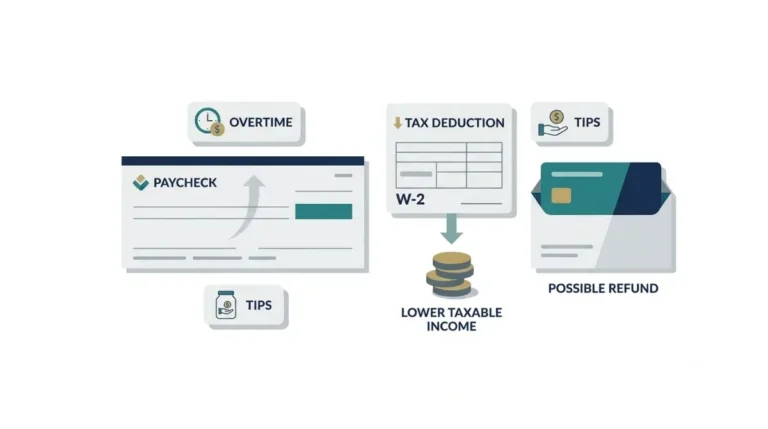
Overtime and tips deductions count less than you’d think: $10,800 of overtime pay becomes a $3,600 deduction in our example. Check your paycheck impact.
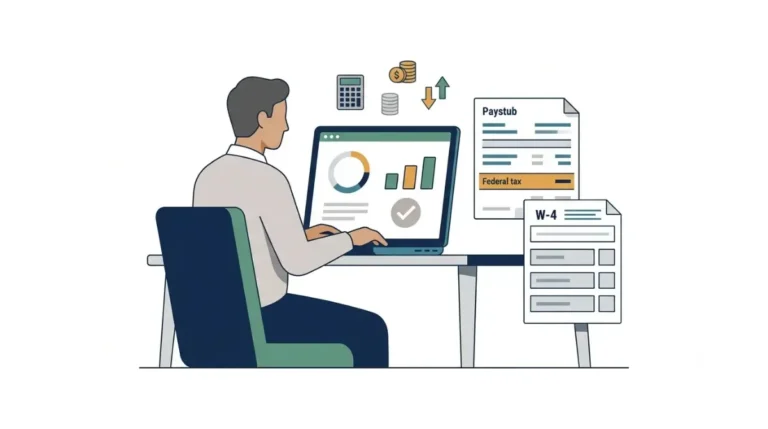
Tax withholding estimator results start at one paystub line. See which line the IRS wants, and where each result lands on your W-4.
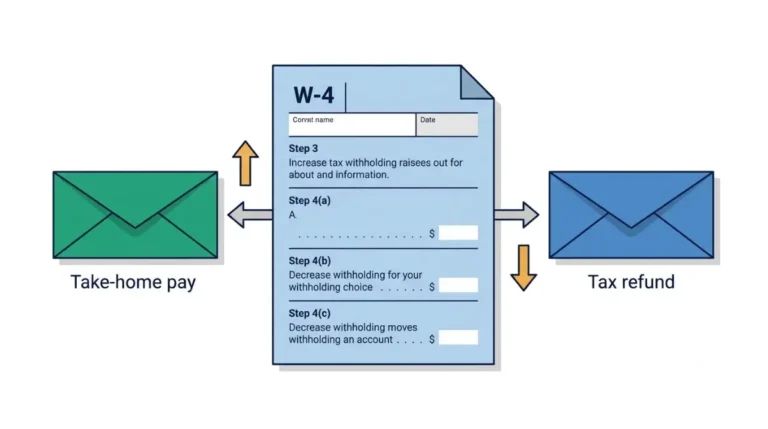
Adjusting your W-4 refund comes down to two lines: Step 3 is a yearly amount, Step 4(c) is taken from every paycheck, so timing matters.
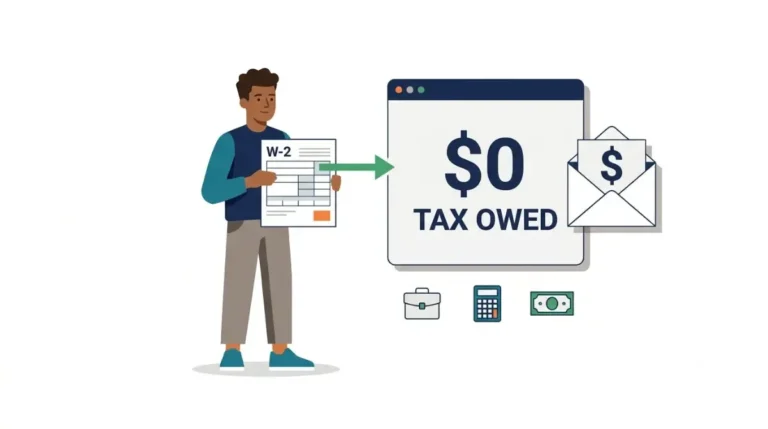
Need to file to get a refund? The IRS said $1.2 billion in 2022 refunds was unclaimed in March 2026, so timing matters.
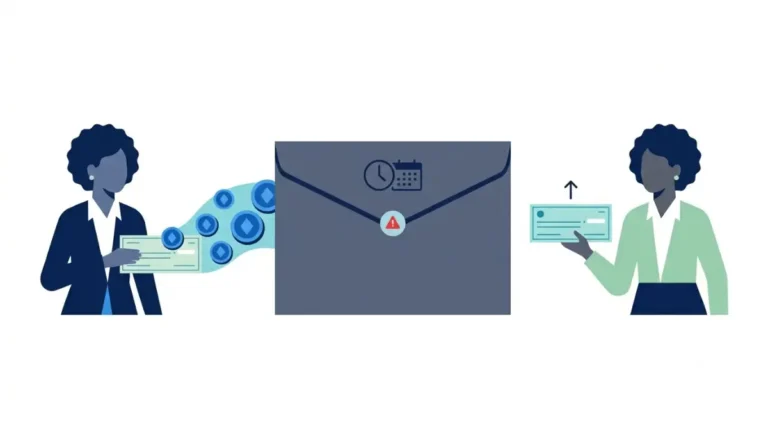
Tax refund vs owing comes down to one line: can you pay a bill under $1,000 in April? The IRS 7% underpayment rate shows what missing it costs.

Estimate your tax refund in two passes: a pay stub projection now, a W-2 check later. The IRS estimator takes about 25 minutes and doesn’t save entries.

Smaller tax refund than last year? It can be withholding, not extra tax. The IRS says a new Form W-4 goes to your employer, not the IRS.

Smaller tax refund next year? Tips and overtime deductions reach paychecks only through an updated W-4, so your refund may not shrink at all.