
Tax Refund Scams and the Real Way the IRS Contacts You
Tax refund scams now use QR codes and fake DMs; the IRS logged 600+ social media impersonators in FY2025. A 30-second check shows what’s real.
In This Article
Got a tax refund text or call? Start here
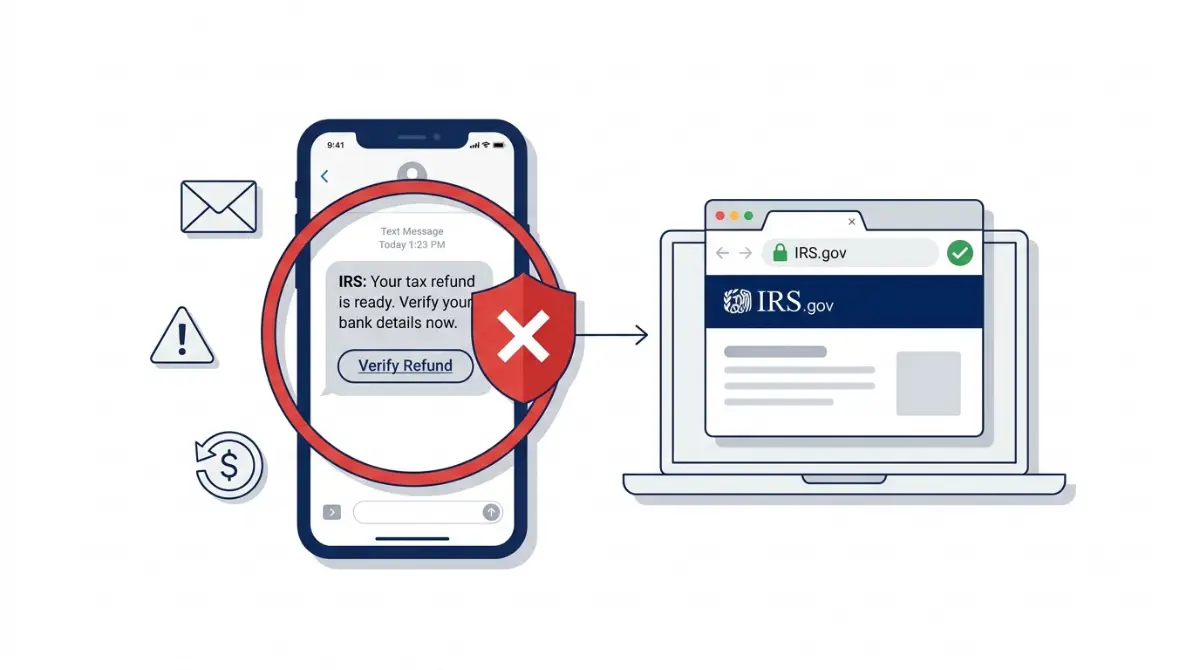
If a text, email, DM, or call says your refund is ready, on hold, or needs verifying, treat it as one of the tax refund scams until you’ve checked it yourself. The IRS doesn’t start refund conversations by surprise text, email, or social media, and it never calls to announce a refund.
- Haven’t responded yet: keep reading to verify and report it.
- Already clicked, paid, or shared details: jump to what to do today if you clicked.
- Waiting on a real refund: see the section on checking your real refund.
ℹ️ Financial Disclaimer: This article is general education about tax scams, not personalized tax, legal, lending, credit, investment, insurance, or debt-relief advice. Before acting on a tax or identity theft problem, confirm details with the IRS directly or consult a CPA, an enrolled agent, or a qualified attorney.
How the IRS really contacts you about a refund
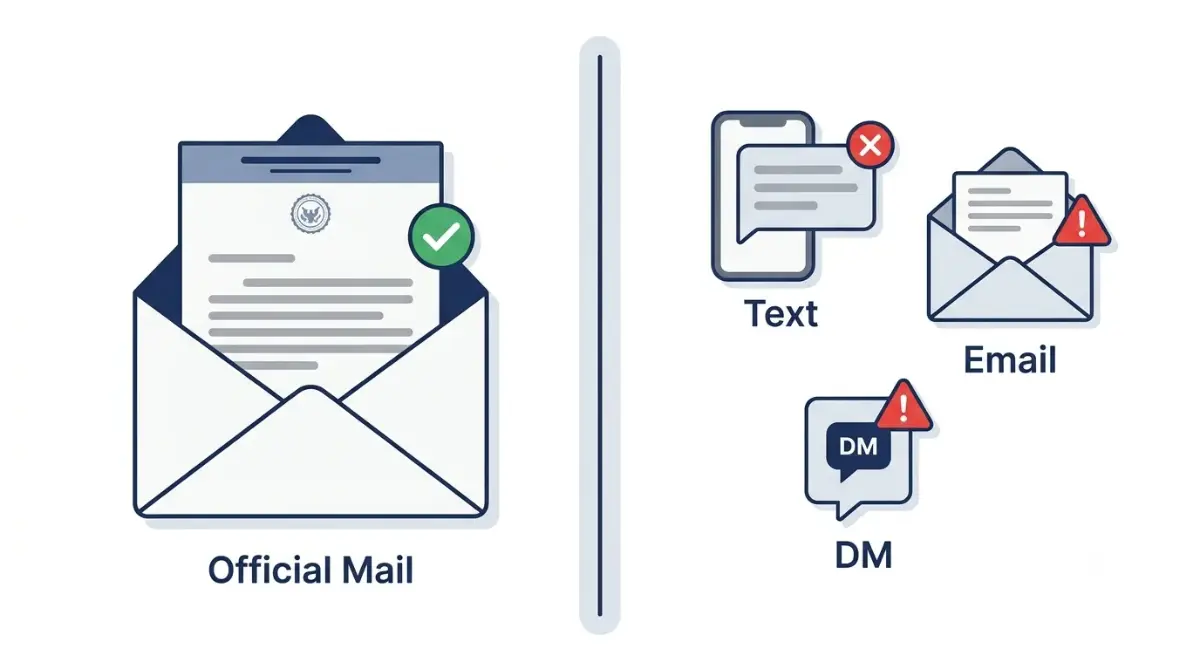
The IRS normally makes first contact by U.S. mail, and it texts or emails only people who’ve opted in. A social media direct message is never from the IRS.
Mail comes first
Real IRS contact usually starts with a letter, even when a call follows. The IRS explains how to confirm a contact is really from the IRS.
What the IRS won’t do
- Send a surprise text or email about your refund
- Send you a direct message on social media
- Call to announce a refund, demand payment now, or threaten arrest
- Ask for personal or financial details to “release” a refund
💡 Expert Note: The IRS does text and email people who opt in, so “the IRS never texts” overstates it. The safer rule: don’t act on a refund message you didn’t sign up for.
Fake IRS refund texts and emails: what they look like
Fake refund messages look official and push you to act fast.
“Verify your account” links and QR codes
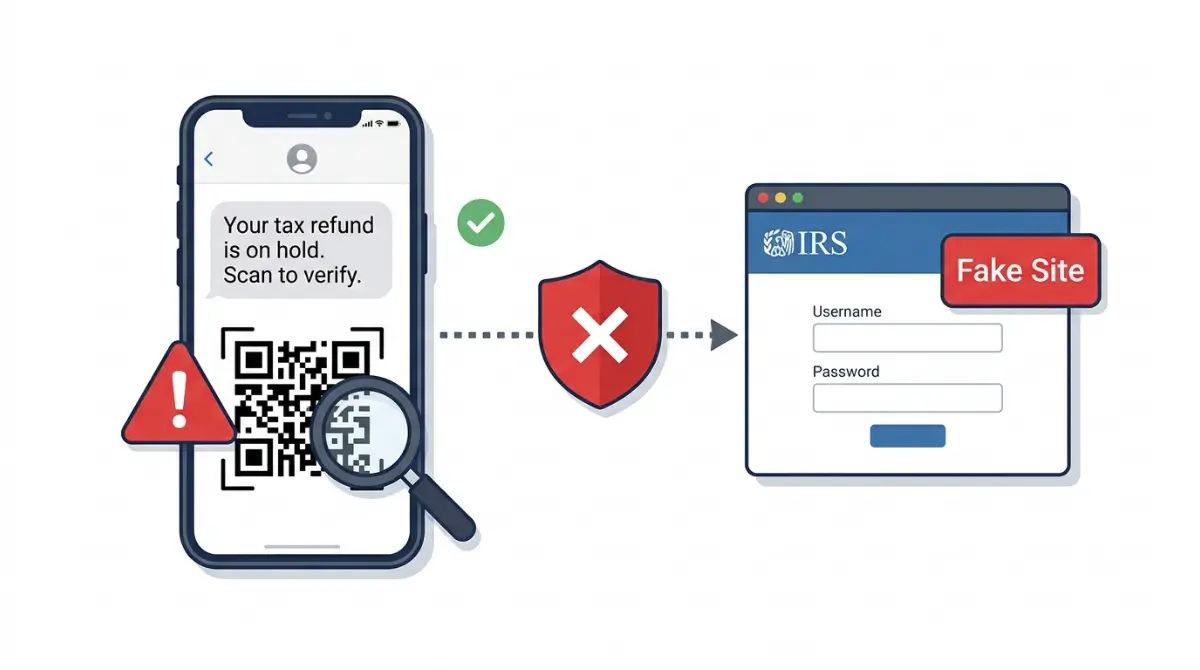
The IRS’s 2026 Dirty Dozen list warns of texts, emails, and DMs using QR codes to send people to fake IRS websites. A “refund on hold” text isn’t how real reductions work, as our guide to how refund offsets reduce a refund explains.
Fake DMs and “tax hack” posts
📊 Data Point: The IRS reported more than 600 social media impersonators during fiscal year 2025. — Source: IRS, Dirty Dozen 2026 (IR-2026-30, March 2026)
Fake “Self-Employment Tax Credit” posts are on the list too.
How to report a fake IRS text or email
- Don’t reply, click links, or open attachments.
- For a text, email phishing@irs.gov with the subject “Text,” both phone numbers, and the date, time, and time zone.
- For an email, send it there as an attachment; plain forwards strip tracing data.
- Forward scam texts to 7726, then delete them.
The IRS’s instructions for reporting fake messages cover every channel.
IRS phone scams and the bank-account trap
Phone scams can look and sound official.
Spoofed caller ID and AI voices
Scam calls use spoofed caller ID and computer-generated voices, the IRS warns. Real IRS contact generally starts with mail, never with arrest threats.
Why no real IRS employee asks for your bank account by phone
The IRS began phasing out paper refund checks on Sept. 30, 2025, so most refunds now arrive by direct deposit. Scammers use that change as a cover story.
🔍 How It Works: If you file without bank details, the IRS mails a CP53E notice asking you to respond within 30 days. IRS employees can’t take direct deposit information by phone or in person, so a caller asking for your account number isn’t the IRS.
See the IRS’s Q&A on the end of paper refund checks, or our guide to refund options without a bank account.
Where to report an IRS phone scam
Note the number, hang up, and report it to the Treasury Inspector General for Tax Administration (TIGTA) at 800-366-4484. To verify, call a number you find yourself on IRS.gov.
Fake refund sites and how to check your real refund
Check a refund at the IRS itself, never through a link you were sent.
Use Where’s My Refund or your IRS Online Account
Type irs.gov, then open Where’s My Refund or your IRS Online Account. Status appears 24 hours after you e-file a current-year return, and a typical e-filed refund arrives about 3 weeks after filing, as our guide to how long refunds take from filing to deposit shows.
Watch for “helpers” offering to set up your account
The IRS warns that criminals pose as account-setup helpers. Create your account directly on IRS.gov instead.
Know your number before anyone quotes one
If you know the refund you’re owed, a message quoting a different figure stands out. You can work out the refund you’re actually owed from your own return.
⚠️ Costly Mistake: A look-alike site can collect your details in seconds. Type the address yourself and confirm it ends in .gov.
Real or fake? A 30-second check for any refund message
Check any refund message against how the IRS actually works.
The red-flag table
| Red flag | What the real IRS does | Key Detail |
|---|---|---|
| Surprise text or email about a refund | Texts or emails only if you opted in | Don’t click; report it |
| Social media DM | Never sends DMs | Report the account |
| Call announcing a refund | Doesn’t call to announce refunds | Hang up |
| Bank details requested by phone or text | Asks only by mailed CP53E letter | Staff can’t take it by phone |
| “Pay now” or arrest threats | Starts with mail; no arrest threats | Hang up |
| Link or QR code to “verify” | Points you to IRS.gov | Type the address yourself |
Source: IRS “How to know it’s the IRS” (reviewed Sept 2026), “Report fake messages” (reviewed July 2026), EO 14247 Q&A (Jan 2026), Dirty Dozen 2026.
Where to report it, by channel
| Contact type | Report to | Key Detail |
|---|---|---|
| Text | phishing@irs.gov (subject “Text”); forward to 7726 | Both numbers, date, time, time zone |
| phishing@irs.gov, as an attachment | The original email | |
| Phone call | TIGTA, 800-366-4484 | The number that called |
| Social media DM | The platform, plus phishing@irs.gov | The account’s full URL |
| Letter | USPS and the FTC | A copy of the letter |
Source: IRS “Report fake IRS, Treasury or tax-related emails and messages” (reviewed July 2026).
Each row reflects the IRS’s 2026 Dirty Dozen list and its reporting pages. For a ballpark of your federal tax, try our income tax calculator.
📊 Data Point: People reported losing about $920 million to government impersonators in 2025, up from $789 million in 2024. — Source: FTC, June 2026. These are reported losses across all government impersonators, not only the IRS.
Already clicked or shared info? Do this today
Acting fast limits the damage.
If you shared bank or card details
Stop contact, call your bank or card issuer, and follow the steps at IdentityTheft.gov.
If you shared your SSN or your return was rejected
Report it there and to the IRS. If someone filed using your SSN, submit Form 14039, Identity Theft Affidavit; if that stalls, call 800-908-4490.
Lock it down with an IP PIN
An Identity Protection PIN is a six-digit number that blocks others from filing with your SSN. It’s valid for one calendar year, and the IRS will never ask you for it.
⚠️ Costly Mistake: Some victims get scammed twice by people offering to recover their money.
✅ Action Step: If IRS steps stall, ask the Taxpayer Advocate Service or a CPA: “Can you help resolve my identity theft case and release my refund?”
Full steps are in the IRS’s guide for scam victims.
Tax refund scam questions, answered
1. Does the IRS ever text you about a tax refund?
Only if you opted in to IRS texts. A surprise tax refund text you never requested is a scam to report.
2. Will the IRS call me to say I have a refund?
No. The IRS doesn’t call to announce a refund, and real IRS contact about your account normally starts with a mailed letter.
3. How do I report a fake IRS text message?
Email phishing@irs.gov with subject “Text,” both phone numbers, and the date, time, and time zone, then forward the fake IRS text to 7726.
4. Where do I report an IRS phone scam?
Note the number, hang up, and report the IRS phone scam to the Treasury Inspector General for Tax Administration at 800-366-4484.
5. Can the IRS ask for my bank account number by phone?
No. IRS employees can’t take direct deposit details by phone or in person; missing bank account information is requested by mailed CP53E notice.
6. How do I check my real tax refund status?
Type irs.gov yourself and use Where’s My Refund or your IRS Online Account; status appears 24 hours after e-filing a current-year return.
7. How do I know an IRS website is real?
Type irs.gov into your browser instead of following links or QR codes, and confirm the IRS website address ends in .gov.
8. What should I do if I clicked a tax refund scam link?
Stop contact, call your bank or card issuer, and follow IdentityTheft.gov’s steps after a tax refund scam. If your tax return is affected, ask a CPA or the Taxpayer Advocate Service.
9. What if someone filed a tax return in my name?
Submit Form 14039, Identity Theft Affidavit; if that doesn’t resolve the fraudulent tax return, call 800-908-4490. The Taxpayer Advocate Service can help if your case stalls.
10. Does an IP PIN stop tax refund theft?
Yes, it helps: a six-digit IP PIN blocks others from filing a tax return with your SSN and is valid for one calendar year. Ask your tax preparer how to enter it.
11. How much do people lose to government impersonators?
The FTC says people reported losing about $920 million to government impersonators in 2025, up from $789 million in 2024.
The one rule that beats every refund scam
Don’t respond to the message; go to the IRS yourself. Type irs.gov, check your refund there, and report anything that doesn’t match how the IRS really works. Save or screenshot the tables above, so the next “refund ready” text takes seconds to dismiss.
Related Articles
 Tax Refund
Should Your Tax Refund Pay Debt or Save? Find the Right Split
October 14, 2026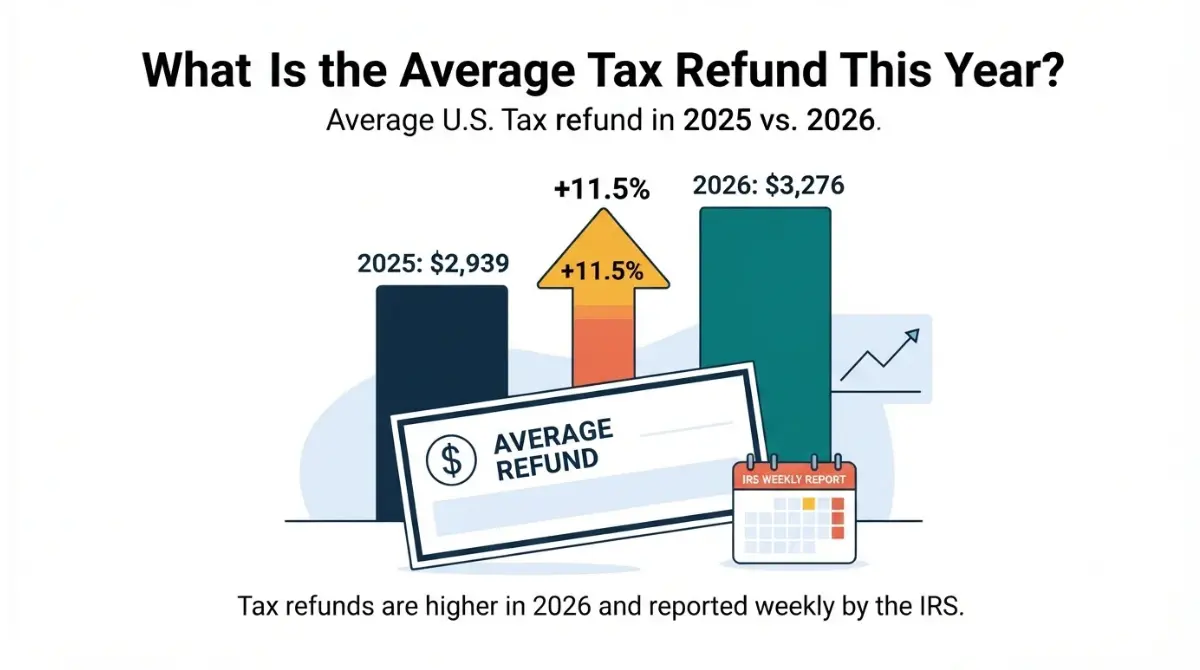 Tax Refund
A Clear Look at Why the Average Tax Refund Keeps Changing
October 9, 2026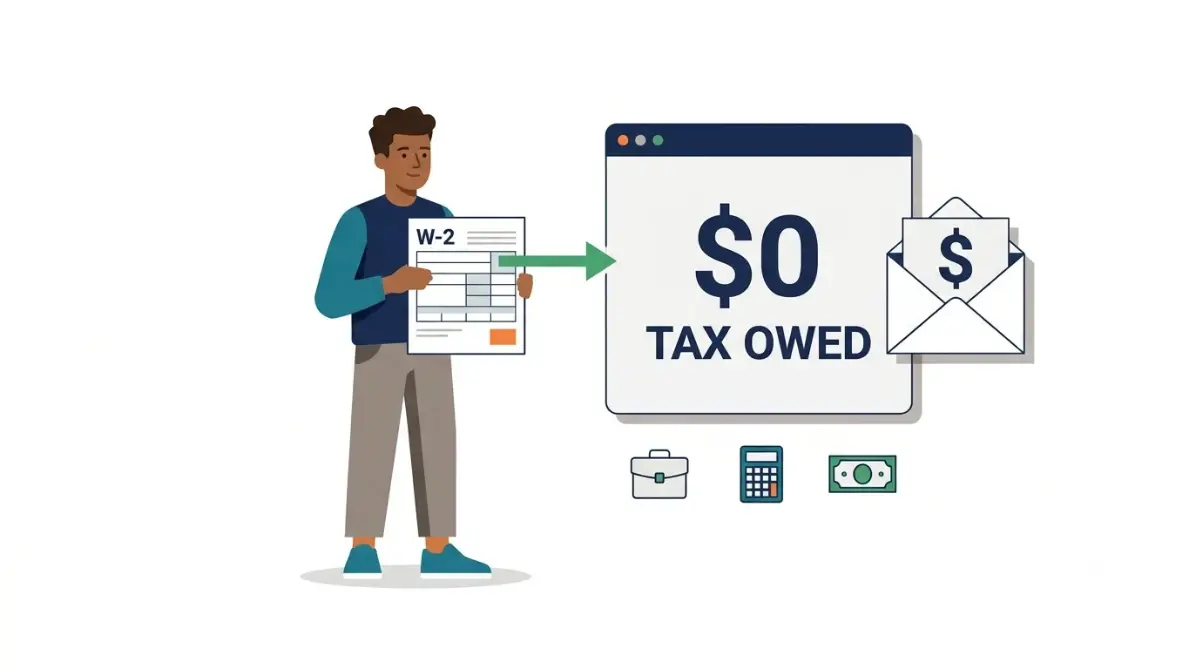 Tax Refund
Do You Need to File to Get a Tax Refund If You Owe Nothing?
October 12, 2026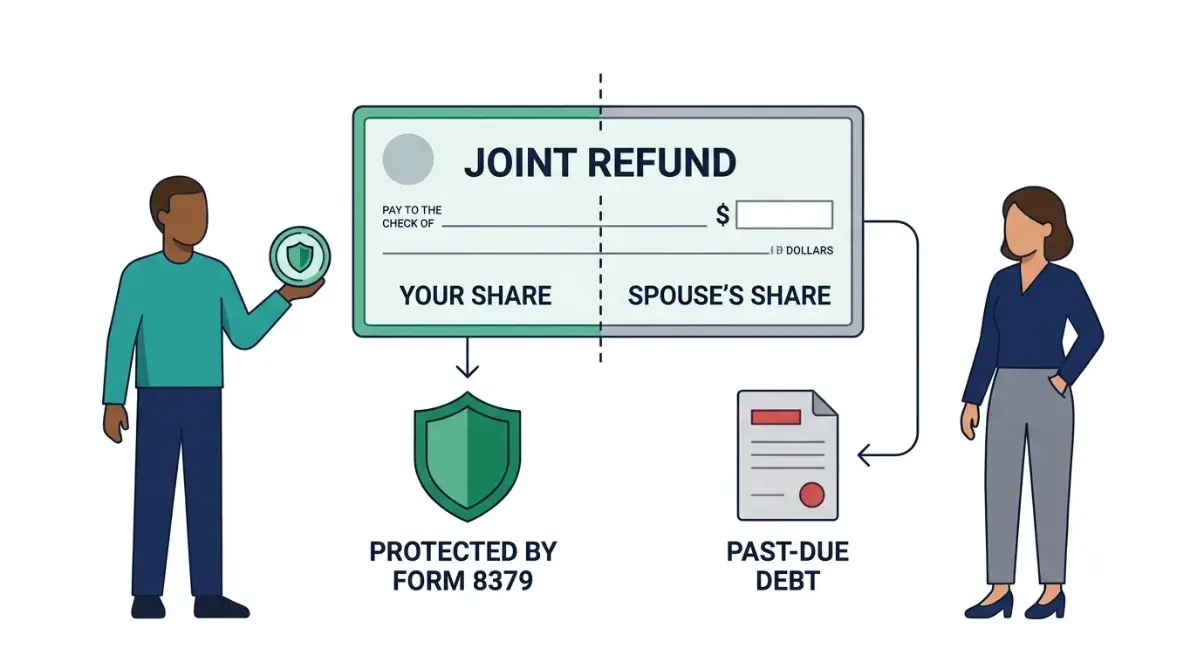 Tax Refund
How Injured Spouse Relief Returns Your Share of a Joint Refund
October 21, 2026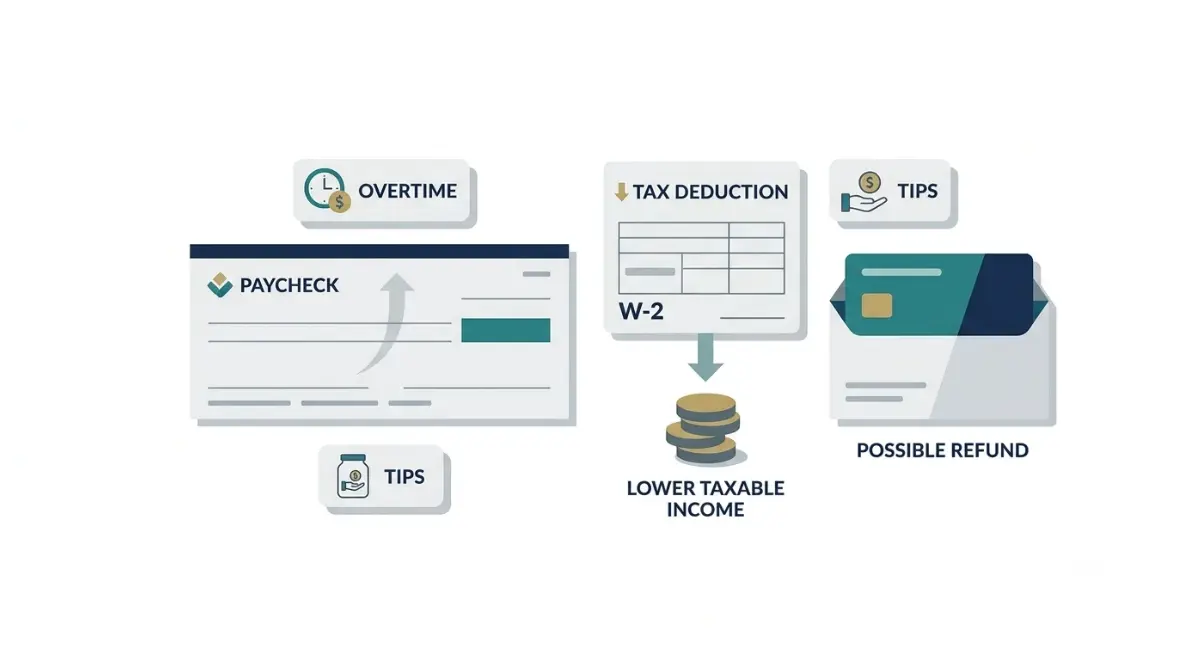 Tax Refund
Set the Right Overtime Tips Deduction Withholding for 2026
October 13, 2026 Tax Refund
A Clear Look at Tax Refund vs Owing, Run as Math
October 12, 2026 Tax Refund
How to Make a Smart Tax Refund IRA Contribution for 2026
October 15, 2026 Tax Refund
Smart Ways to Estimate Your Tax Refund Before Filing
October 10, 2026 Tax Refund
A Clear Tax Refund Formula You Can Run on Your Own Numbers
October 6, 2026
Informational disclaimer
The content on Finance Authority Hub is provided for general informational and educational purposes only and should not be considered personalized financial, investment, tax, legal, or professional advice. Financial decisions depend on your individual goals, income, risk tolerance, location, and regulatory situation. Before acting on any information, strategy, estimate, or calculator result, consult a qualified licensed professional who can evaluate your specific circumstances.