What Your Average 401(k) Balance by Age Really Means
The average 401(k) balance by age looks alarming — until you see the median. At $44,115, the typical account holds far less than headlines suggest.
Independent money education for US readers. Not financial advice.

Education, not advice. Written for US readers.
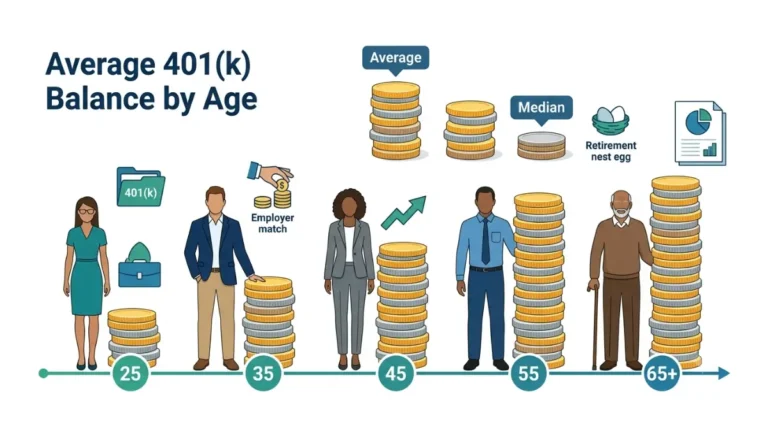
The average 401(k) balance by age looks alarming — until you see the median. At $44,115, the typical account holds far less than headlines suggest.
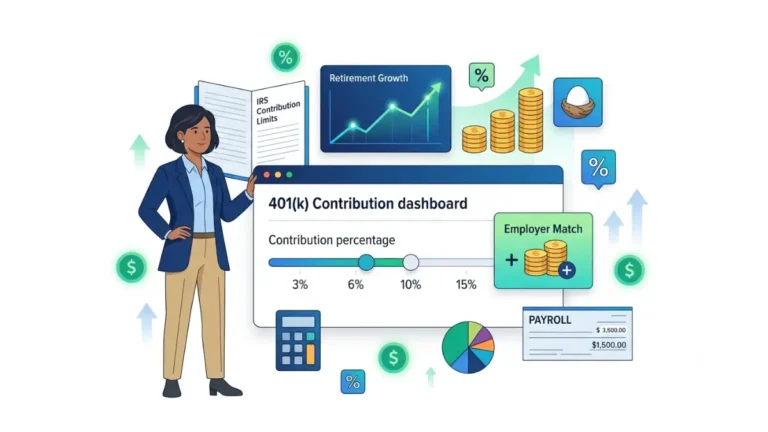
How much to contribute to a 401(k)? Most workers defer just 7.6% of pay—under the 15% research suggests. Here’s how to set the right rate for you.
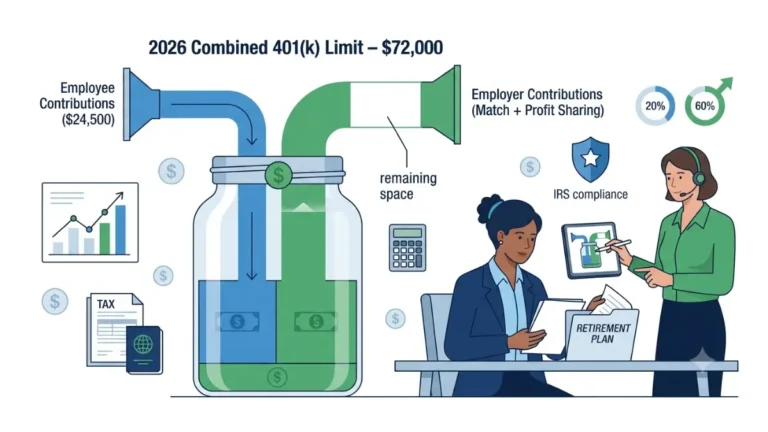
The 401(k) employer contribution limit isn’t a separate number. It’s what’s left of a shared $72,000 cap after your deferral — here’s how to find it.
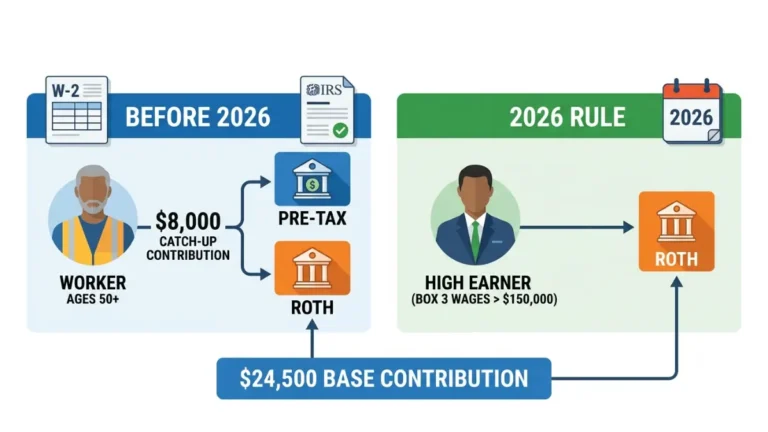
401(k) Roth catch-up rules changed in 2026: above $150,000 in 2025 wages, your catch-up must go Roth. Here’s how to tell if the line reaches you.
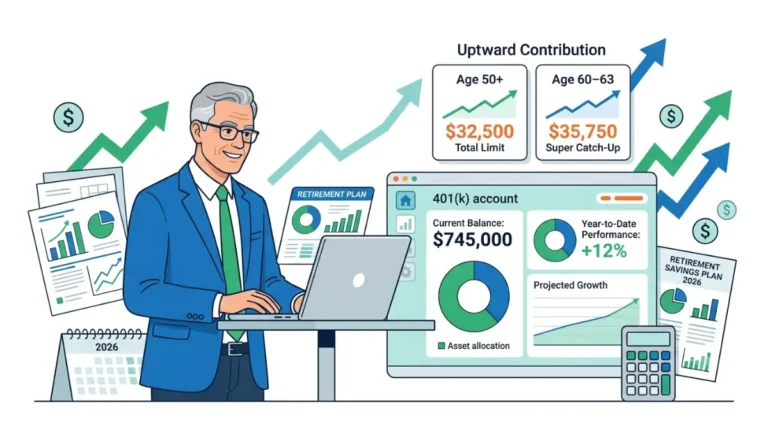
401(k) catch-up contributions rose for 2026 — but the super catch-up didn’t. See what each age can add and the Roth rule high earners can’t miss.
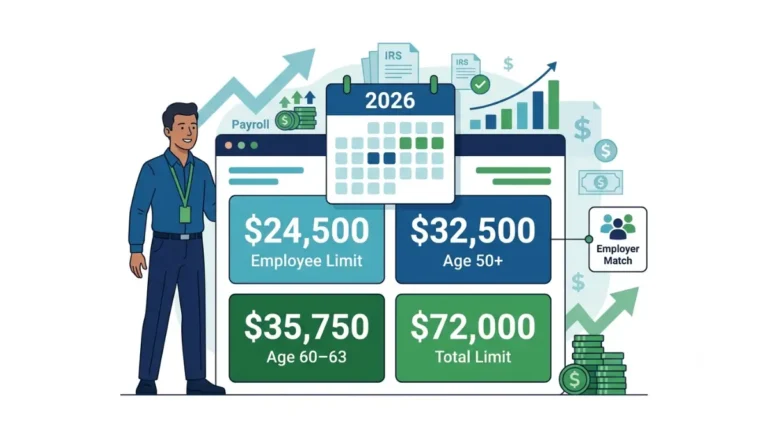
The 2026 401(k) contribution limits brought a $1,000 increase—but a quieter SECURE 2.0 change now requires high earners to make catch-ups Roth this year.
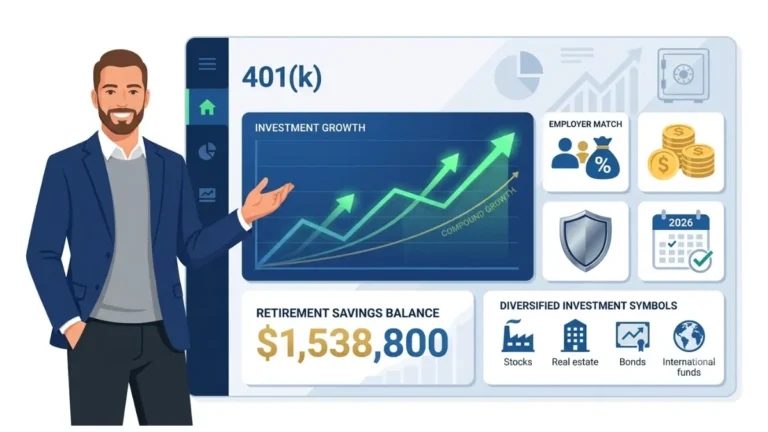
contribution limits rose to $24,500 for 2026—but the bigger story is the new $150,000 Roth catch-up rule that many high earners will miss.
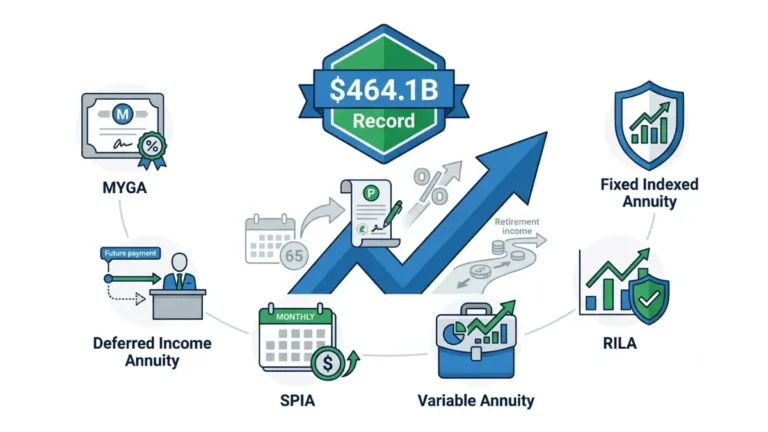
Annuity sales just set a record at $464.1 billion — but the headline number hides what’s really driving the boom, and what it means for your retirement.
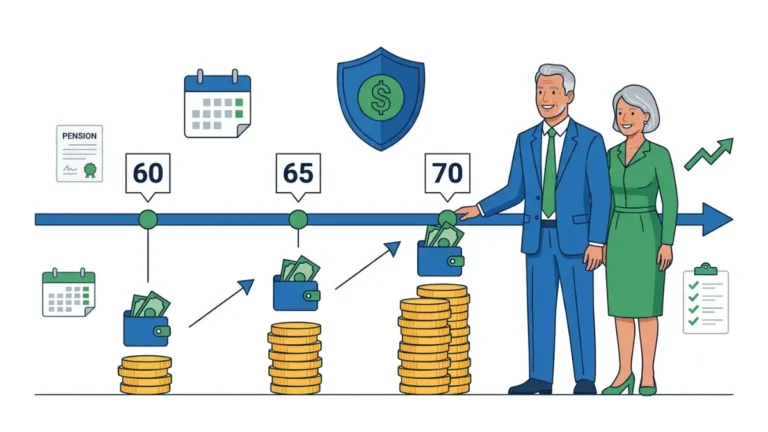
The best age to buy an annuity is really a bet on how long you’ll live — waiting to 70 only wins if you pass ~84. Here’s the break-even, by age.
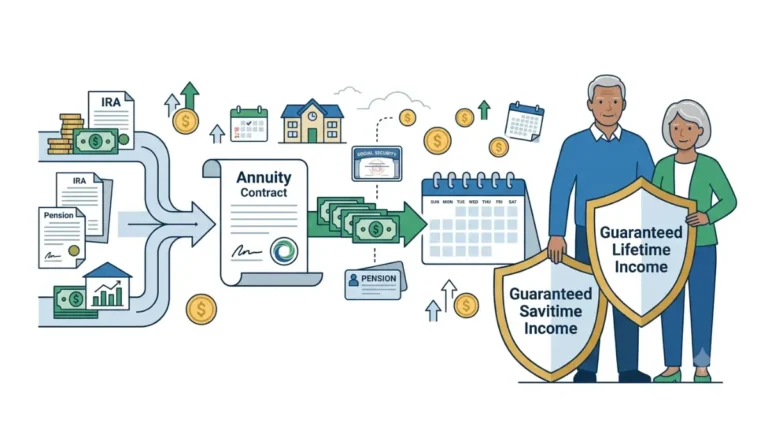
Annuities for retirement income can do more than pay for life — a QLAC lets you defer required IRA withdrawals to age 85. See how much to annuitize.