Your Inherited 401(k) and the 10-Year Rule, Made Clear
Inherited 401(k) rules trip up most heirs on one point: whether you owe a withdrawal every year, or can wait until year 10. The answer hinges on one date.
Independent money education for US readers. Not financial advice.

Education, not advice. Written for US readers.
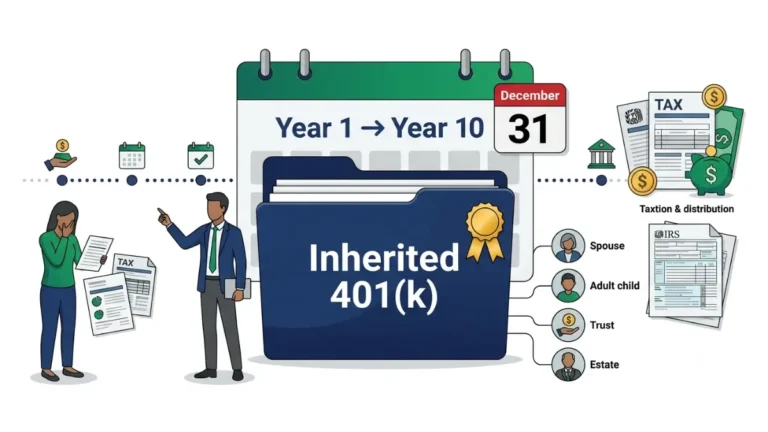
Inherited 401(k) rules trip up most heirs on one point: whether you owe a withdrawal every year, or can wait until year 10. The answer hinges on one date.

Catching up on retirement after 50 isn’t hopeless—2026 hands you an extra $8,000 in 401(k) catch-up room, and a new Roth rule hits earners over $150,000.

A 401(k) in your 20s has one edge nothing later can match: time. Here’s how the 2026 limit, the employer match, and compounding actually build a balance.

Most 401(k) fees are invisible—skimmed from your returns before you ever see them. The average is just 0.26%; here’s how to find yours and pay less.
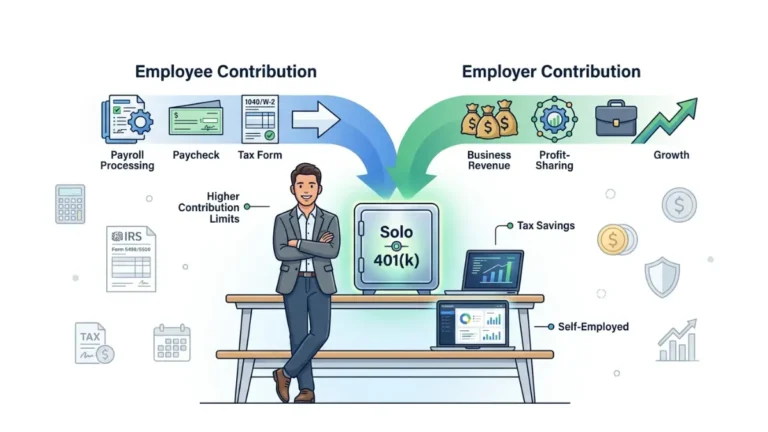
A self-employed solo 401(k) can take up to $72,000 in 2026 — but the employer piece is ~20% of net earnings, not the 25% most people assume.
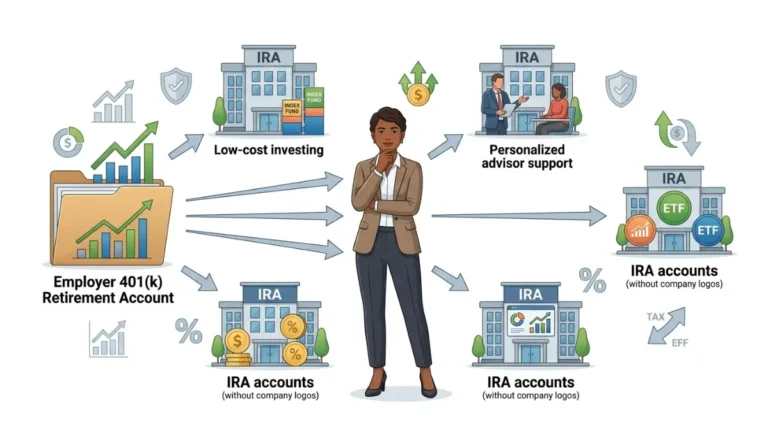
The best place to roll over a 401(k) isn’t one broker — it’s the one matching your goal. Compare five on cost, support, and a 1% match.
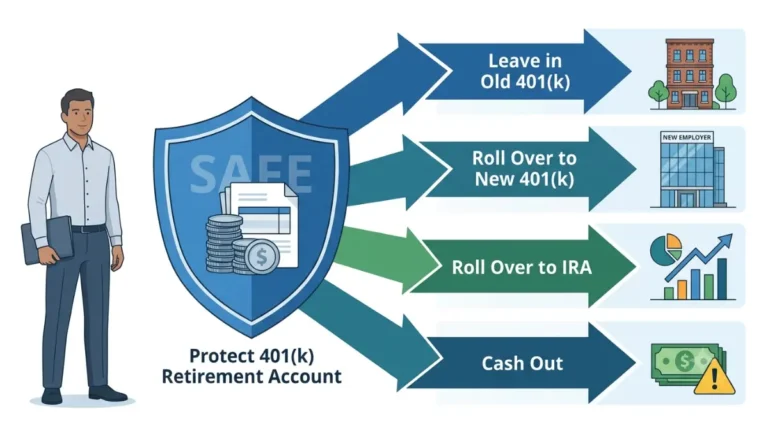
When you’re laid off, your 401(k) doesn’t disappear—but one wrong move can cost you a 10% penalty plus 20% withholding. Here’s what to do first.
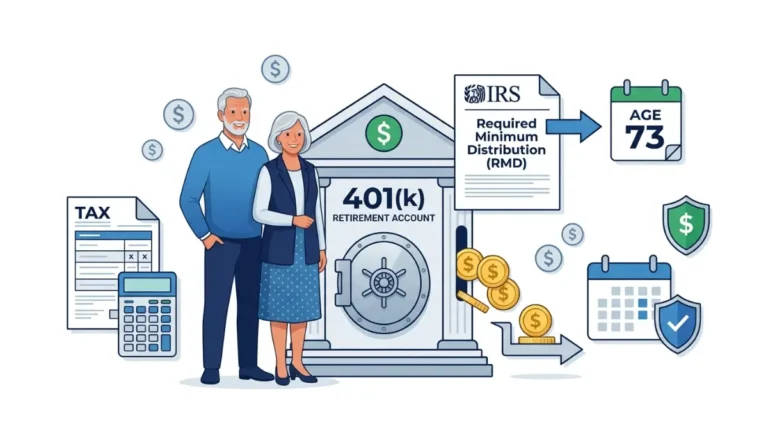
The 401(k) RMD age is 73, but the divisor formula and April 1 deadline are where retirees slip. Here’s what to know before your first withdrawal.
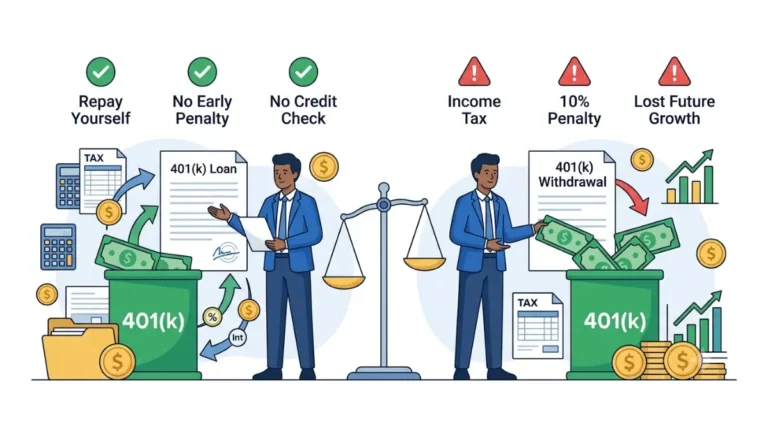
401(k) withdrawal or loan? A withdrawal can cost far more than the 10% penalty once taxes and lost growth stack up. Here’s the honest math on each.
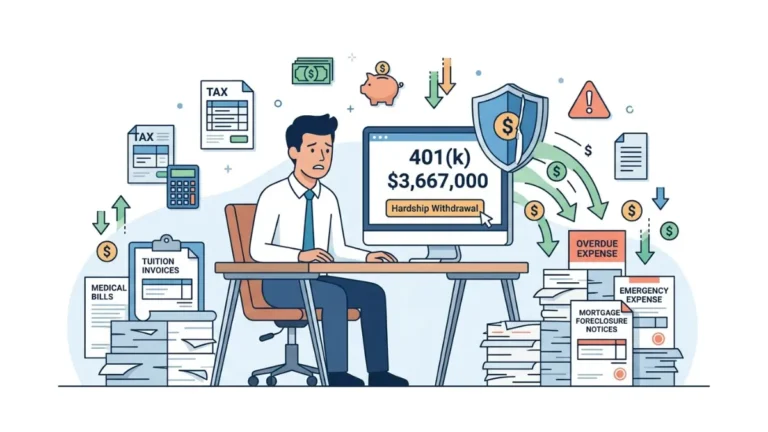
A 401(k) hardship withdrawal can cover an urgent bill — but qualifying for one and avoiding the 10% penalty are two separate tests most people confuse.