
Should Your Tax Refund Pay Debt or Save? Find the Right Split
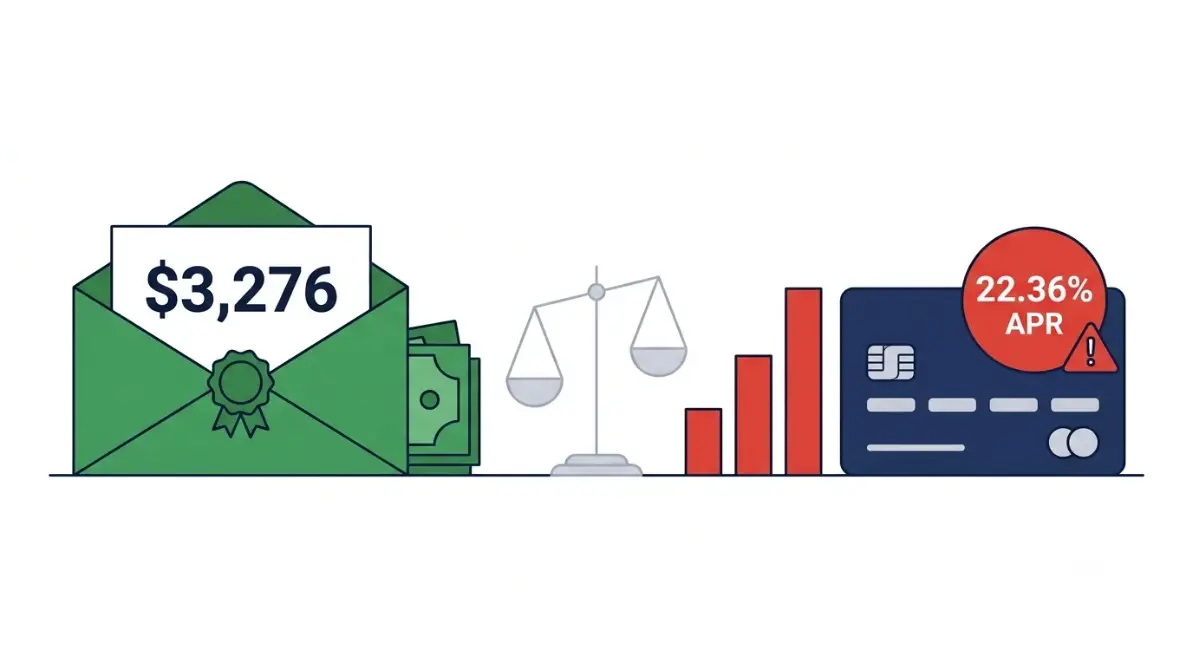
Tax refund math: an average $3,276 refund avoids about $733 a year on a 22.36% card, but earns about $12 at the FDIC savings average.
In This Article
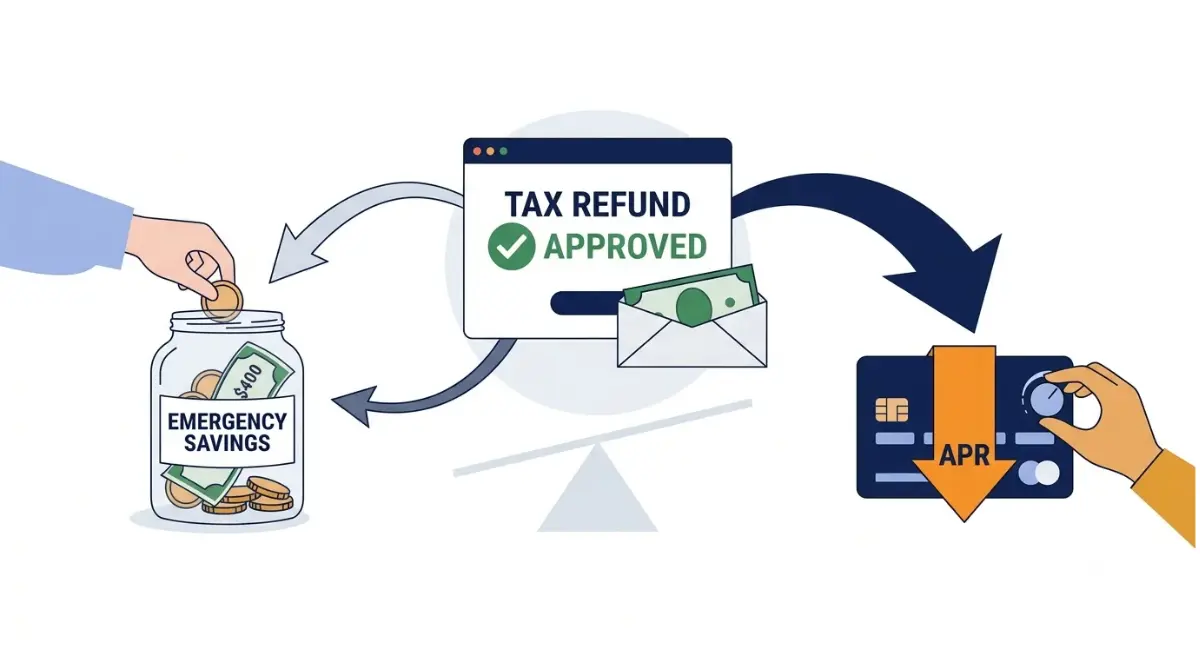
Should your tax refund go to your card or your savings?
The short answer
Cover a small cash buffer first, then send the rest to your highest-rate card. The Federal Reserve reports an average rate of 22.36% on credit card accounts that pay interest (August 2026, preliminary), so each dollar you pay down stops costing you that rate.
Who this answer fits
This fits you if you carry a card balance from month to month. If you have little saved, start with the buffer rules below; if you hold several cards, jump to the highest-rate-first rule. With no balance, or a 0% promotional rate, the answer shifts.
ℹ️ Financial Disclaimer: This article is for education only and is not personalized advice on investing, taxes, lending or credit, insurance, or debt relief. Rates and rules change. Before acting, consult a CPA or enrolled agent on tax questions, and a fiduciary advisor or nonprofit credit counselor on debt and savings choices. Any product placement is disclosed beside it and does not change the analysis.
How card interest works against your refund
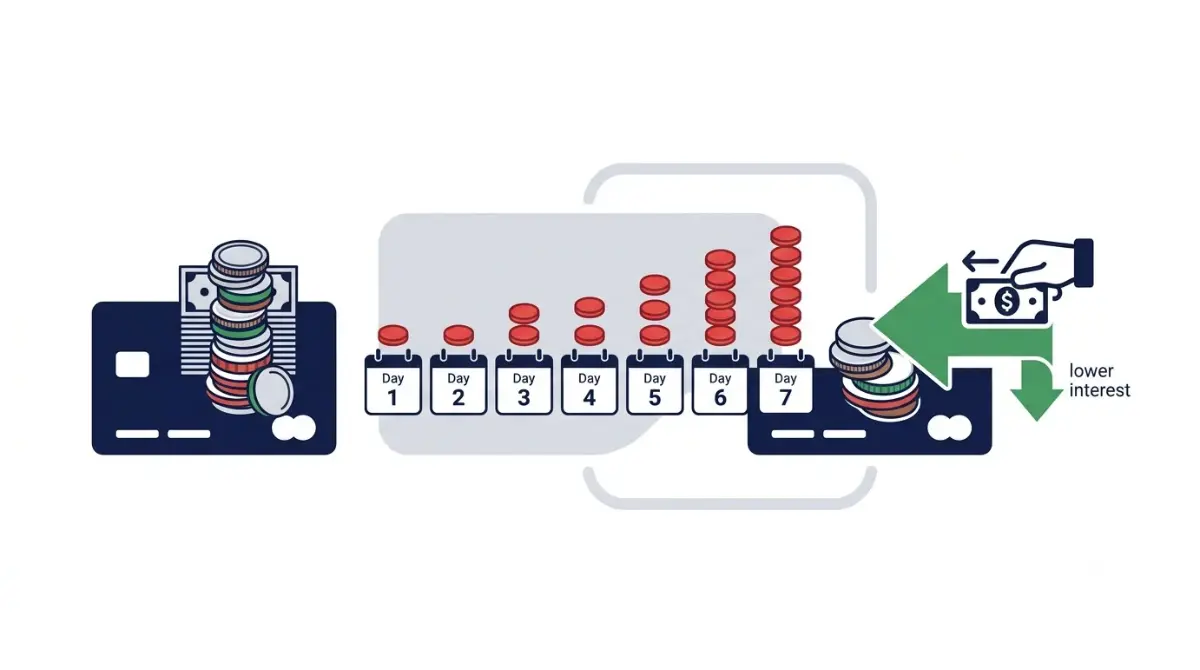
Every day a balance sits on your card, it costs you money.
Interest is charged daily, not monthly
Many issuers calculate interest on your average daily balance, as the CFPB explains. Paying down the balance lowers tomorrow’s charge, not just next month’s. A grace period usually covers only new purchases, and only if you weren’t already carrying a balance.
🔍 How It Works: Divide the 22.36% rate by 365 and you get a daily rate near 0.0613% (illustrative; issuers differ). On a $1,000 balance, that is about 61 cents of interest a day.
APR versus the rate people actually pay
The Federal Reserve publishes two averages: 21.19% across all accounts and 22.36% across accounts charged interest (August 2026, preliminary). The second matches a cardholder who carries a balance.
Average refund vs. average card rate: the 2026 numbers
The numbers behind this decision, with dates and sources:
| Measure | Figure | As of | Source |
|---|---|---|---|
| Average refund | $3,276 | Through May 8, 2026 | IRS |
| Card rate, accounts charged interest | 22.36% | August 2026 (preliminary) | Federal Reserve G.19 |
| Card rate, all accounts | 21.19% | August 2026 (preliminary) | Federal Reserve G.19 |
| Fed funds target range | 3.75–4.00% | After September 2026 meeting | Federal Reserve |
| Could cover $400 with cash or equivalent | 63% | Survey, October 2025 | Federal Reserve SHED |
What the average refund is
The IRS reported a $3,276 average refund through May 8, 2026, on tax-year-2025 returns.
What the average card rate is
These are national averages. Your statement shows your own APR.
How many adults could cover a $400 surprise
In the Fed’s October 2025 survey, 63% of adults would cover $400 with cash or its equivalent, unchanged from the prior three years.
Run your refund through the split formula
Here is the arithmetic, using the $3,276 average refund and a 22.36% card rate.
The one-line formula
Interest avoided per year ≈ amount paid to the card × card APR
🔍 How It Works: Paying $1,000 to a card at 22.36% avoids about $224 a year (1,000 × 0.2236), as simple interest. Compounding, fees and minimum payments change the real figure.
Three ways to split a $3,276 refund
| Scenario | To savings | To card | Card interest avoided per year (about) | Savings interest per year (about) |
|---|---|---|---|---|
| A. All to the card | $0 | $3,276 | $733 | $0 |
| B. $400 buffer, rest to the card | $400 | $2,876 | $643 | $1 |
| C. All to savings | $3,276 | $0 | $0 | $12 |
Savings interest uses the FDIC national average savings rate (0.37%, September 2026); use your own rate if it’s higher.
Scenario B’s buffer costs about $89 a year in interest you don’t avoid (400 × 0.2236). That is the price of keeping the next surprise off the card.
What the formula leaves out
With several cards, run each balance through the Credit Card Payoff Calculator. The full tax refund formula with worked examples covers other refund decisions.
When saving first beats paying down the card
Paying the card first isn’t right for everyone, and each exception has a clear threshold.
Fund the buffer first when it’s thin
If your savings can’t cover your most common surprise expense, fund that first. The CFPB advises setting the goal from your own past surprise expenses, and the Fed’s benchmark is $400. If $400 is out of reach, start there with part of this refund.
To size a bigger cushion, try an emergency fund calculator walkthrough.
When the card isn’t your costliest debt
If your card’s rate is at or below what your savings earn, such as a 0% promotional rate, saving can win. Check when the promotion ends.
Which card first if you have several
Highest rate first (avalanche) saves the most interest; smallest balance first (snowball) trades some interest for quick wins. Within one card, the CFPB says payments above the minimum generally go to the highest-rate balance first. See snowball versus avalanche payoff.
Steps to route your refund and get it faster
Where the money lands decides whether the plan holds.
File electronically and choose direct deposit
- E-file your return; the IRS says an e-filed refund typically arrives about three weeks after filing.
- Choose direct deposit, and check status 24 hours after you e-file.
Split the deposit before you file
- Add Form 8888 to send part of your refund to savings and part to checking; the IRS allows up to three accounts.
Pay the card the same week
- Pay the card as soon as the deposit clears.
- Keep the buffer in its own account.
✅ Action Step: Before filing, write your refund, your card’s APR and your split on one line so each dollar has a job.
Mistakes that put your refund back on the card
A payoff holds only if the refund doesn’t return as new debt.
Paying down with no buffer
⚠️ Costly Mistake: Sending every dollar to the card leaves nothing for the next surprise. In the Fed’s survey, 30% of adults had a major vehicle repair or replacement in the past year; on a card, that repair brings the interest back.
Treating a big refund as a plan
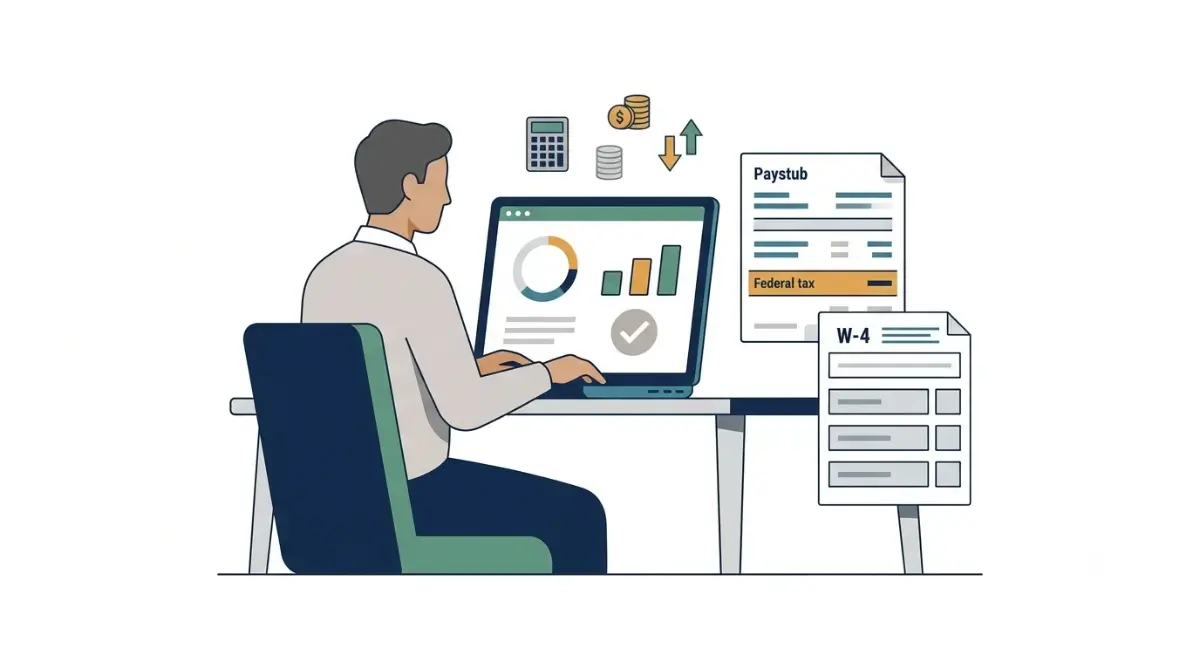
A large refund often means extra tax was withheld all year. The IRS Tax Withholding Estimator shows how changing withholding trades a smaller refund later for a bigger paycheck now. A CPA or enrolled agent can confirm the right amount, and our guide shows how to adjust your withholding.
When a 0% transfer fits, and when it doesn’t
A 0% balance-transfer offer can pause interest, but check the fee and end date first; the regular rate applies to what’s left afterward.
Tax refund, debt and savings: common questions
1. Should I use my tax refund to pay off credit card debt?
Usually yes: after a small buffer, put the refund on the card, since the Fed’s average rate on accounts charged interest was 22.36% (August 2026). A nonprofit credit counselor can review your balances.
2. Is it better to save or pay off debt with a tax refund?
Save the refund first only if you can’t cover a surprise expense or your card rate is no higher than your savings rate. A fiduciary advisor can check this against your income stability.
3. How much of my refund should go to emergency savings first?
Send enough of your refund to cover your most common surprise expense; 63% of adults could cover the Fed’s $400 benchmark with cash or equivalent. A fiduciary advisor can help size a larger buffer.
4. What is the average tax refund?
The IRS reported an average refund of $3,276 through May 8, 2026, for tax-year-2025 returns filed that season. A CPA or enrolled agent can estimate your own refund.
5. What is the average credit card interest rate?
The Fed reports 22.36% on accounts charged interest and 21.19% across all accounts, both August 2026 and preliminary. Your card agreement shows your own rate; a nonprofit credit counselor can review it.
6. How much interest does a $1,000 payment save?
About $224 a year at a 22.36% rate (1,000 × 0.2236), before compounding and minimum-payment effects. A nonprofit credit counselor can model your actual balances.
7. Which card should I pay off first?
Highest APR first saves the most interest. Within a single card, issuers generally apply amounts above the minimum to the highest-rate balance. A nonprofit credit counselor can help if you hold several cards.
8. How fast will I get my tax refund?
The IRS says an e-filed refund typically arrives about three weeks after filing, though corrections or further review can delay it. The IRS refund tracker shows your own status.
9. Can I split my tax refund between accounts?
Yes. The IRS allows a direct-deposit refund to go to up to three accounts, such as checking and savings. A tax preparer or the Form 8888 instructions can confirm your setup.
10. What if I can’t cover a $400 emergency?
Many adults can’t: 63% could cover it with cash or equivalent. Send part of this refund to a separate buffer first. A nonprofit credit counselor can suggest next steps.
11. Should I change my W-4 to get a smaller refund?
It may raise take-home pay, but check first: the IRS Tax Withholding Estimator shows how withholding changes your refund and paycheck. A CPA or enrolled agent can confirm your withholding.
Your next step
Cover a small buffer first, then send the rest to your highest-rate card. Run your own refund and APR through the formula above before you file. Figures last verified October 14, 2026.
Related Articles
 Tax Refund
A Clear Walk Through the Tax Withholding Estimator Screens
October 13, 2026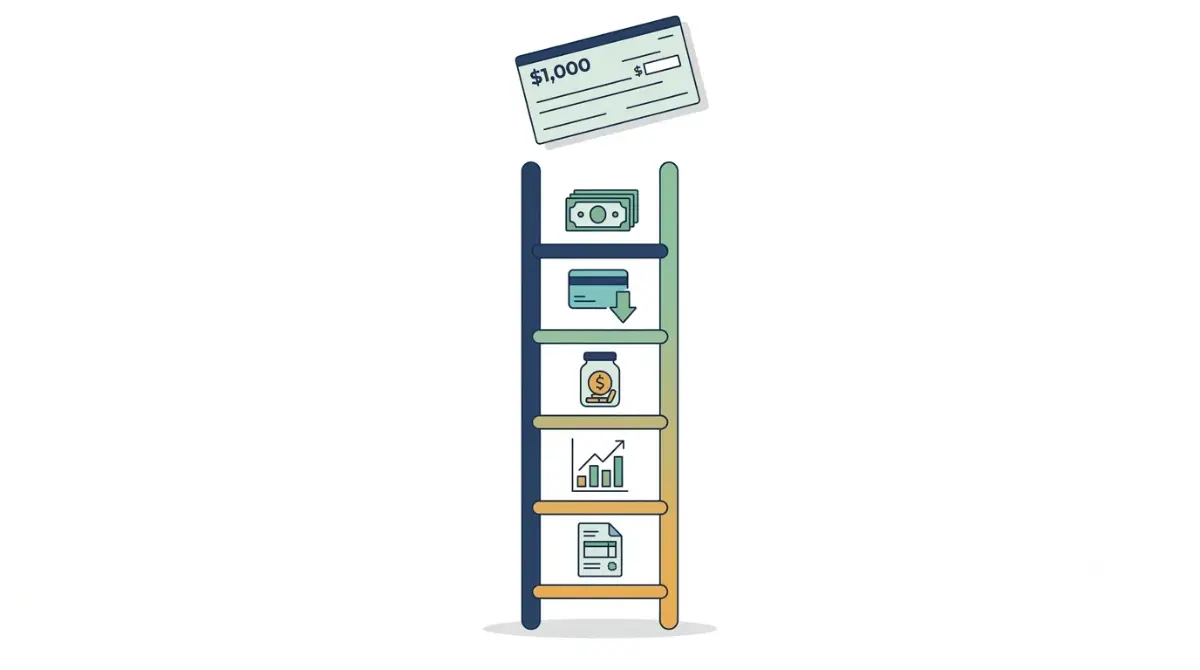 Tax Refund
What to Do With Tax Refund Money in a Clear, Simple Order
October 15, 2026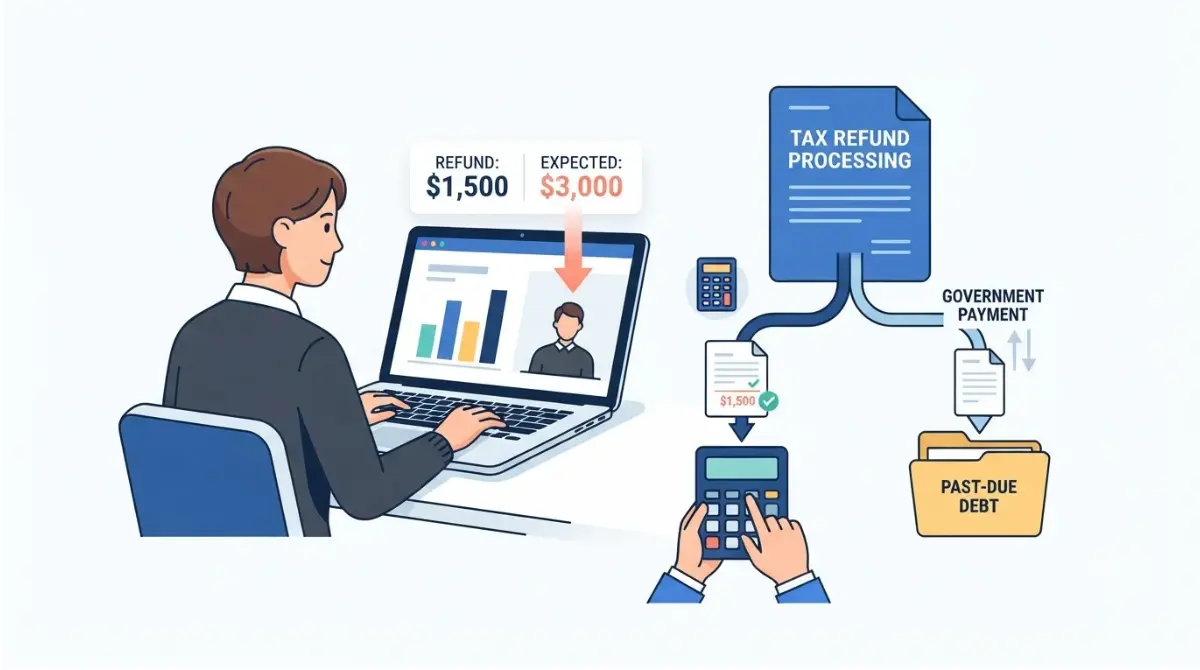 Tax Refund
The Right Way to Tell a Tax Refund Offset From a Correction
October 8, 2026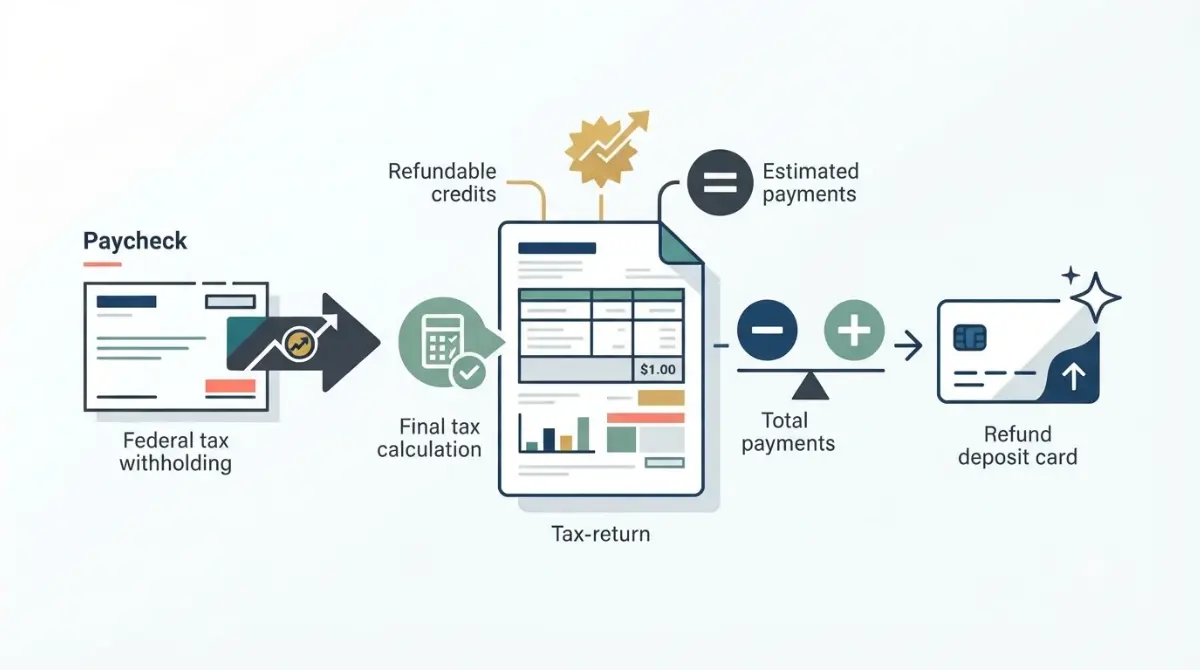 Tax Refund
A Clear Tax Refund Formula You Can Run on Your Own Numbers
October 6, 2026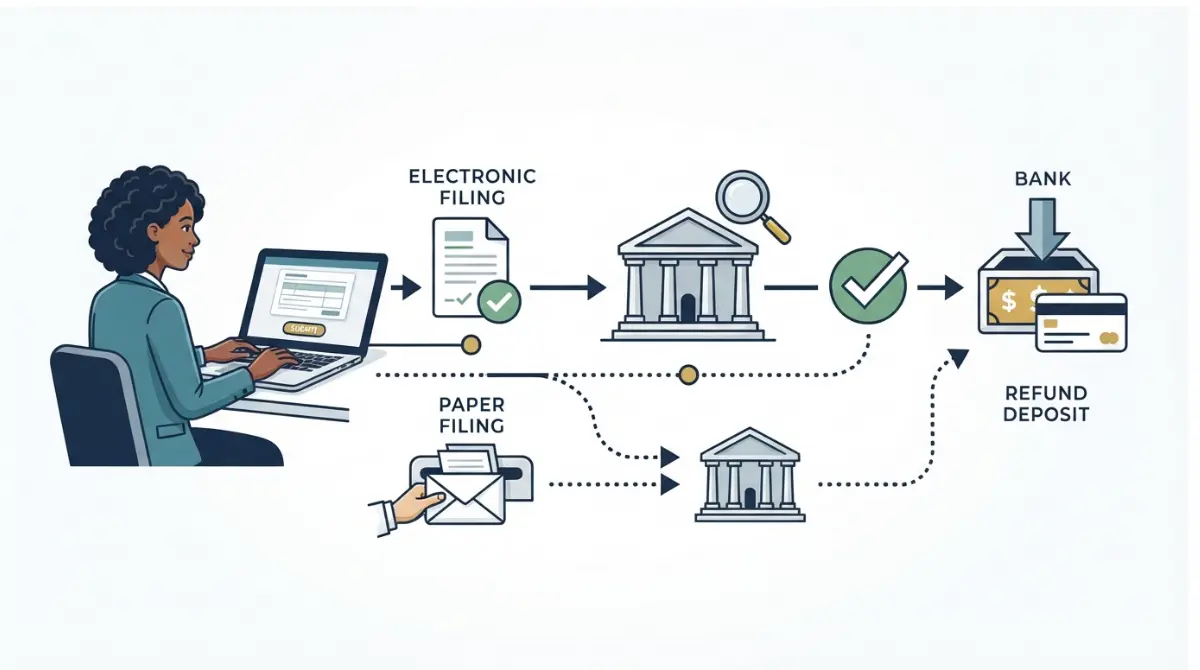 Tax Refund
 Delayed and Bills Running Late? Find the Cause First
October 7, 2026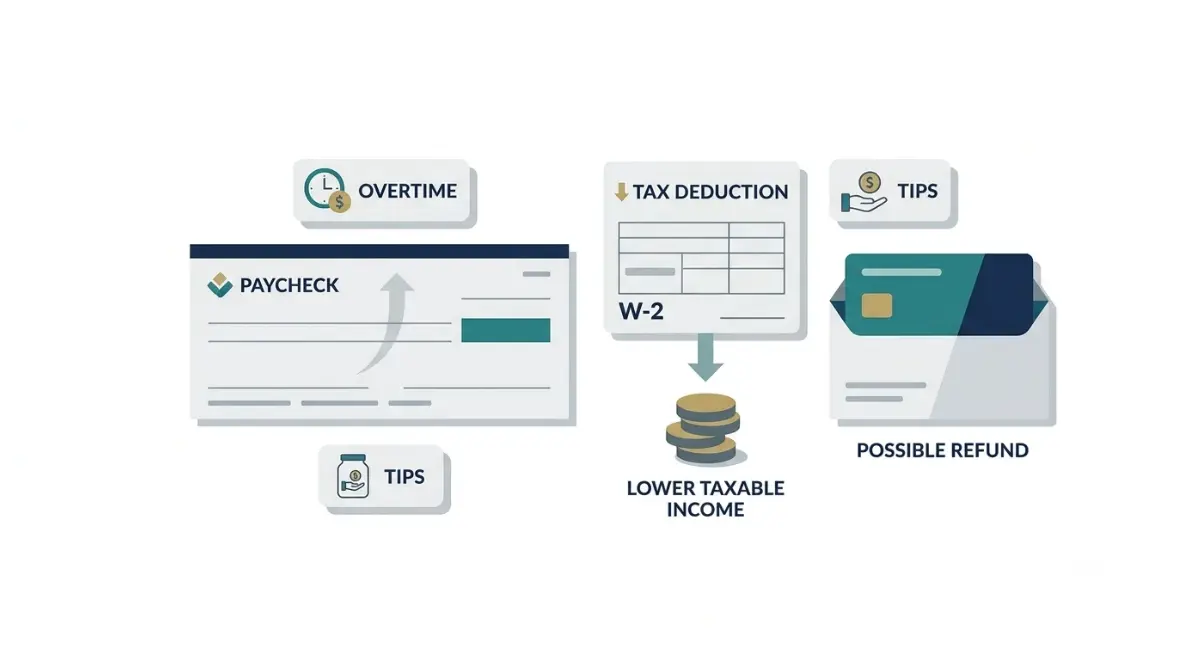 Tax Refund
Set the Right Overtime Tips Deduction Withholding for 2026
October 13, 2026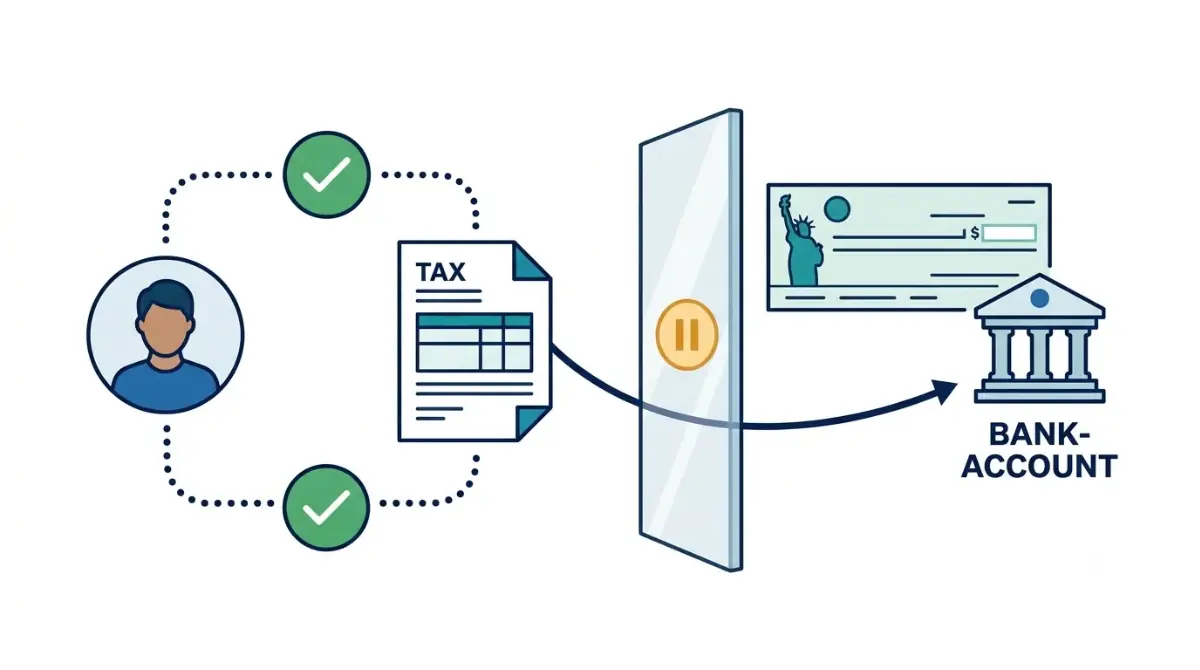 Tax Refund
The Right Way to Answer IRS Letter 5071C and Release Your Refund
October 17, 2026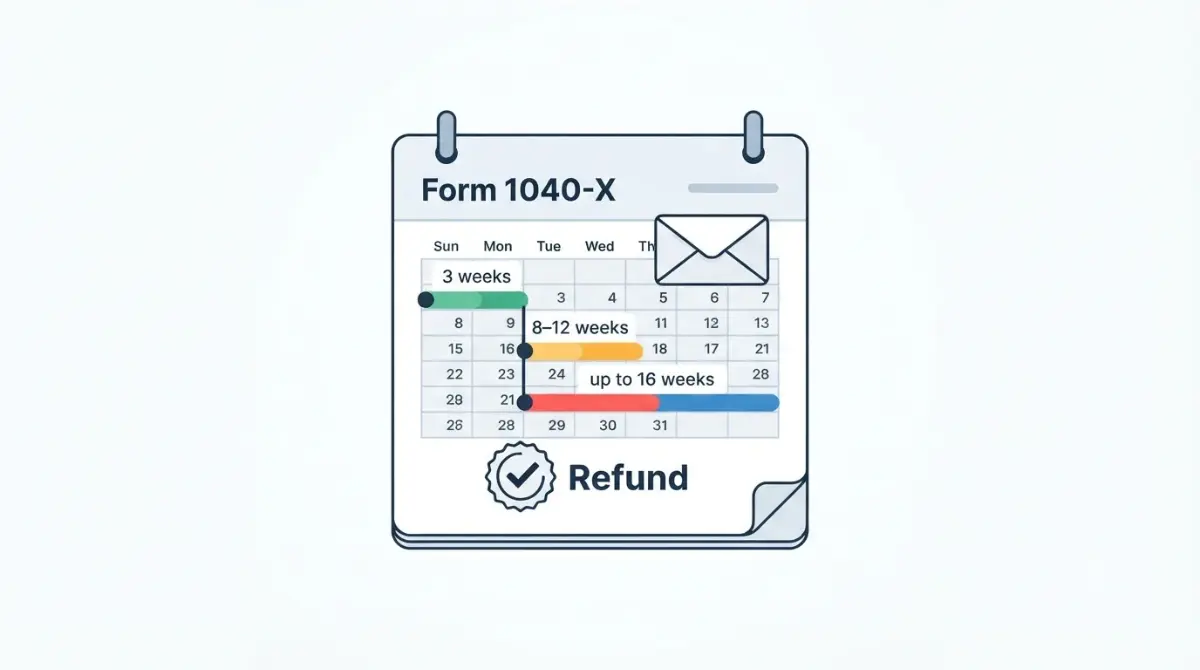 Tax Refund
The Key Return in Your Amended Return Refund Timeline
October 9, 2026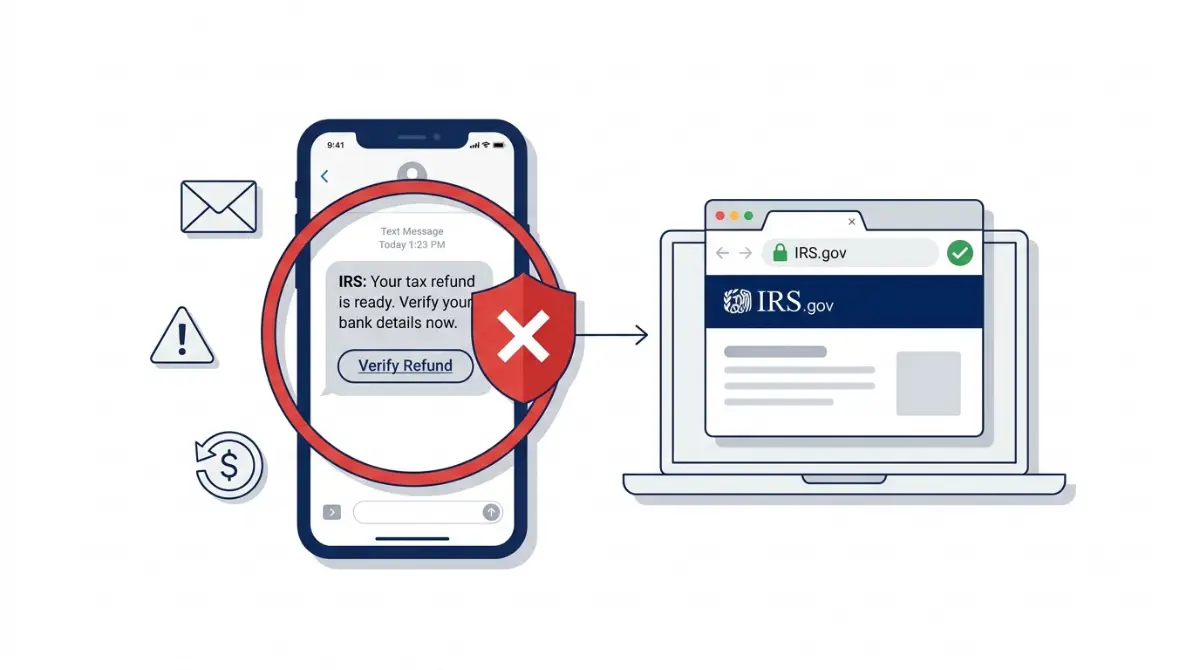 Tax Refund
 Scams and the Real Way the IRS Contacts You
October 17, 2026
Informational disclaimer
The content on Finance Authority Hub is provided for general informational and educational purposes only and should not be considered personalized financial, investment, tax, legal, or professional advice. Financial decisions depend on your individual goals, income, risk tolerance, location, and regulatory situation. Before acting on any information, strategy, estimate, or calculator result, consult a qualified licensed professional who can evaluate your specific circumstances.