How Much a Self-Employed Solo 401(k) Lets You Contribute in 2026
A self-employed solo 401(k) can take up to $72,000 in 2026 — but the employer piece is ~20% of net earnings, not the 25% most people assume.
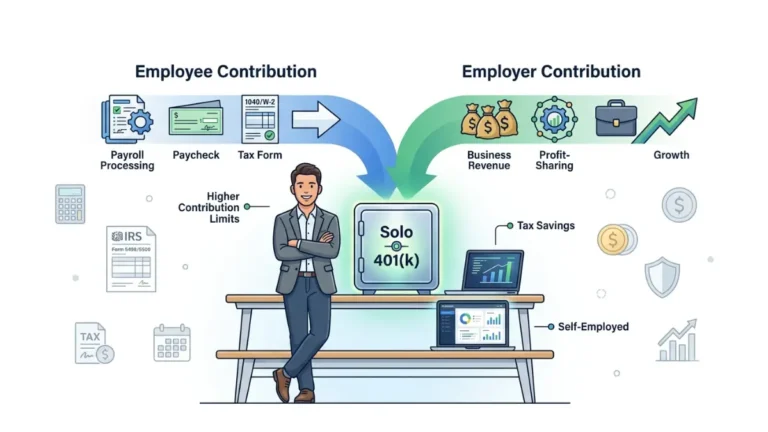
A self-employed solo 401(k) can take up to $72,000 in 2026 — but the employer piece is ~20% of net earnings, not the 25% most people assume.
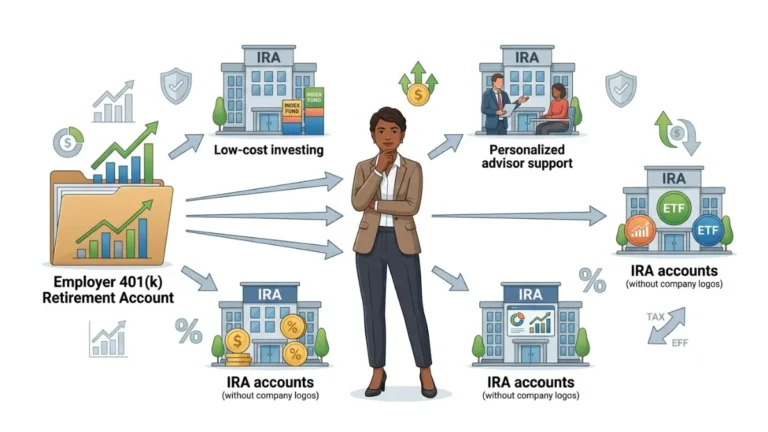
The best place to roll over a 401(k) isn’t one broker — it’s the one matching your goal. Compare five on cost, support, and a 1% match.
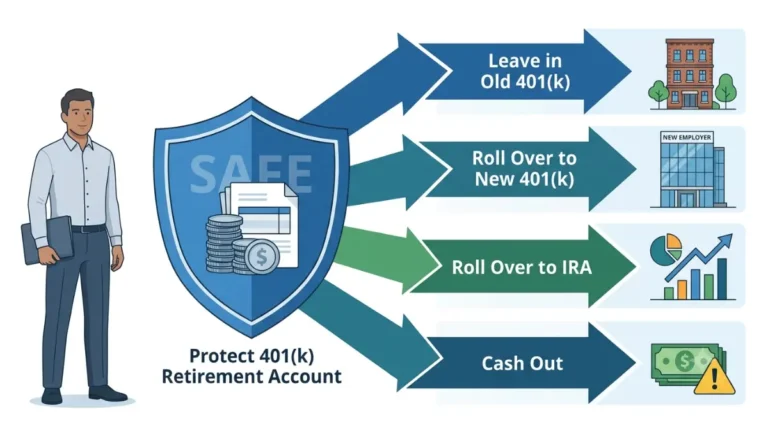
When you’re laid off, your 401(k) doesn’t disappear—but one wrong move can cost you a 10% penalty plus 20% withholding. Here’s what to do first.
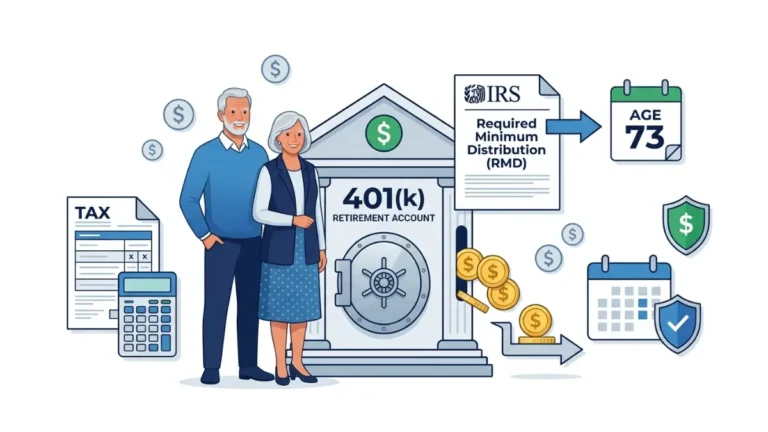
The 401(k) RMD age is 73, but the divisor formula and April 1 deadline are where retirees slip. Here’s what to know before your first withdrawal.
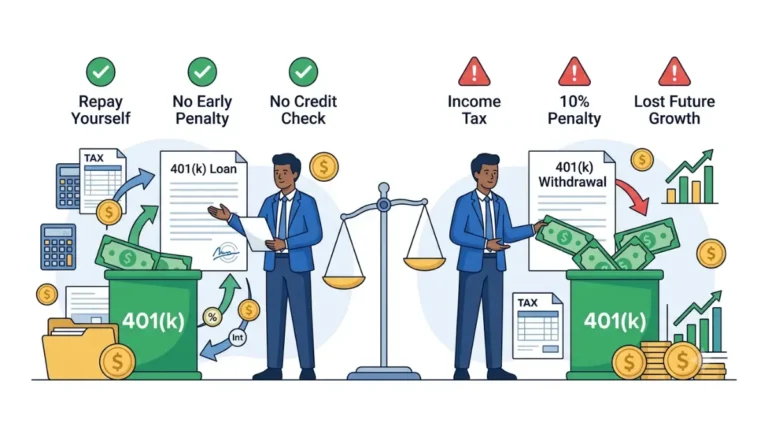
401(k) withdrawal or loan? A withdrawal can cost far more than the 10% penalty once taxes and lost growth stack up. Here’s the honest math on each.
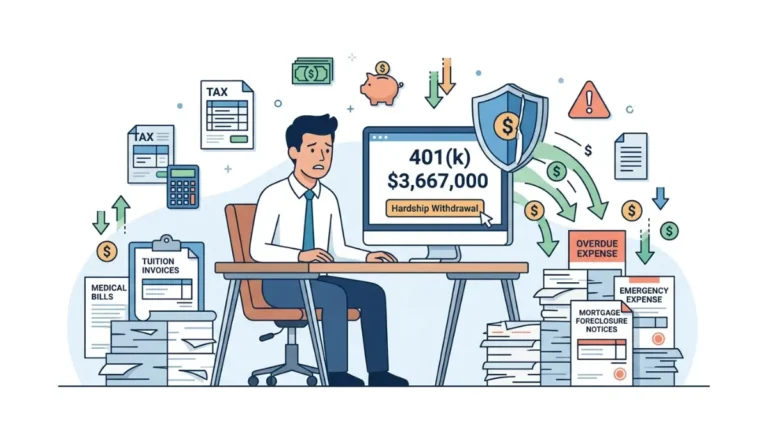
A 401(k) hardship withdrawal can cover an urgent bill — but qualifying for one and avoiding the 10% penalty are two separate tests most people confuse.
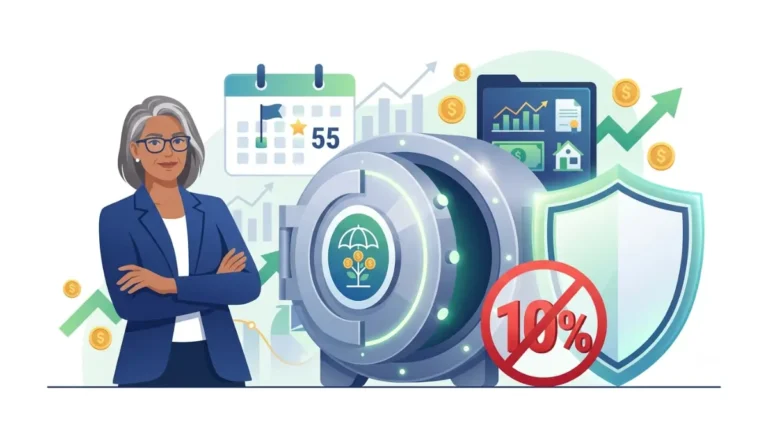
The rule of 55 can waive the 10% early-withdrawal penalty on your 401(k) if you leave a job at 55+ — but one rollover mistake erases it for good.
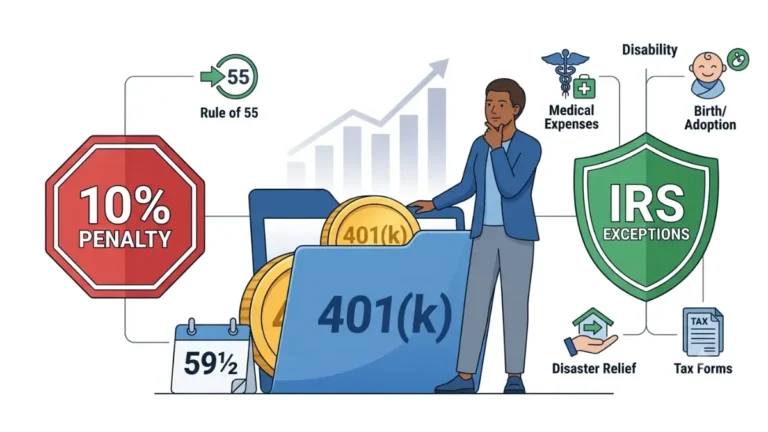
401(k) early withdrawal exceptions aren’t just the Rule of 55 — eleven situations can legally remove the 10% penalty before age 59½, if you qualify.
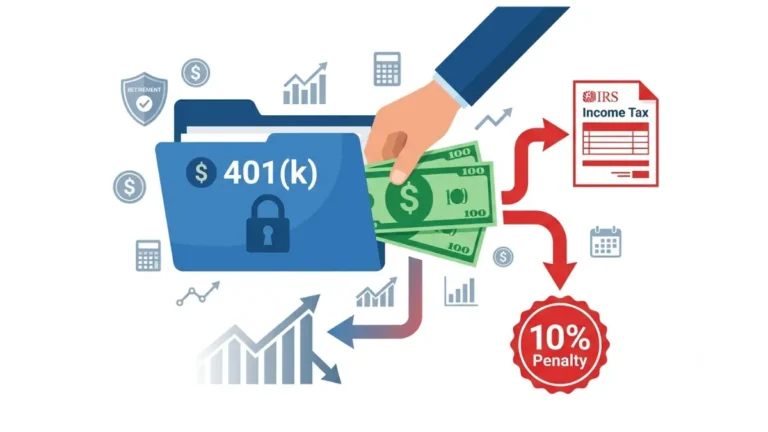
A 401(k) early withdrawal costs more than the 10% penalty — income tax and lost growth stack on top. Here’s the real math on a $50,000 cash-out.
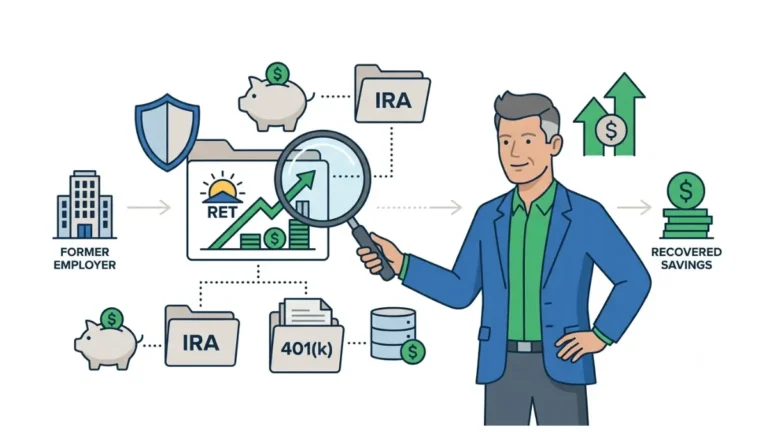
Have an old 401(k) you lost track of? An estimated 31.9M accounts—worth $2.1T—sit forgotten from past jobs. Find yours free, usually with just your SSN.