How the 2026 Roth IRA Income Limits Actually Work
Roth IRA income limits rose for 2026: singles phase out from $153,000, couples $242,000. See the exact amount the IRS worksheet allows at your income.

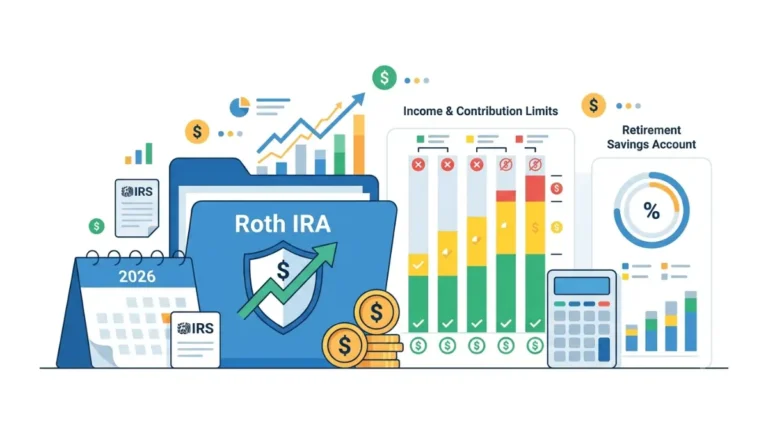
Roth IRA income limits rose for 2026: singles phase out from $153,000, couples $242,000. See the exact amount the IRS worksheet allows at your income.
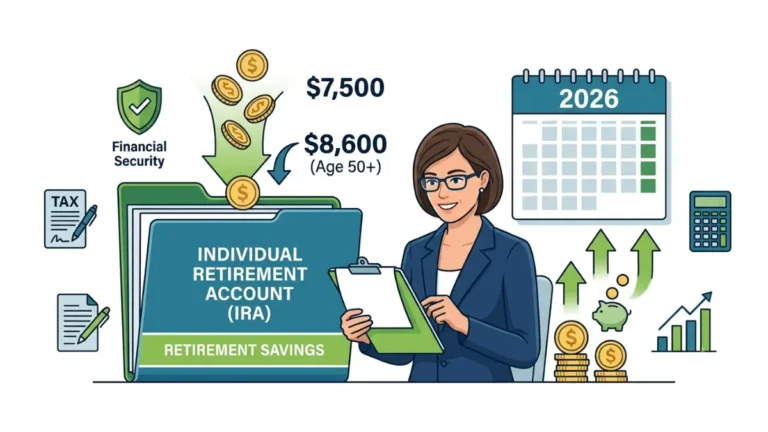
IRA contribution limits rose for 2026: $7,500, or $8,600 at 50+. Your income decides if you can use a Roth or deduct a Traditional. See where you stand.
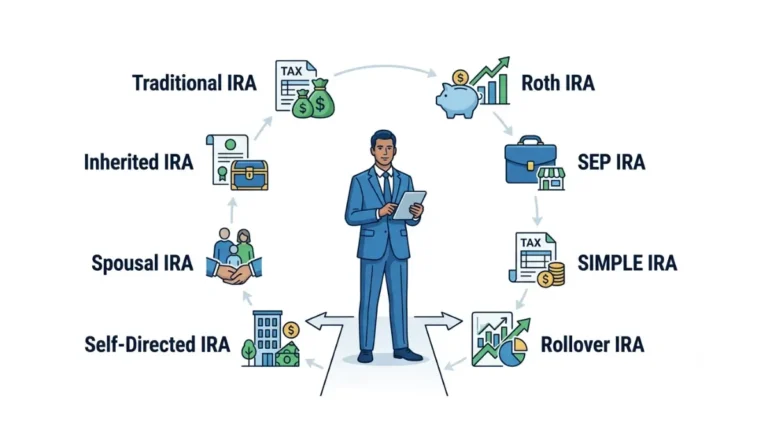
IRA accounts face four income tests, not one. And 2026 is the last year the Saver’s Credit applies to them. See which of the 5 types your income allows.
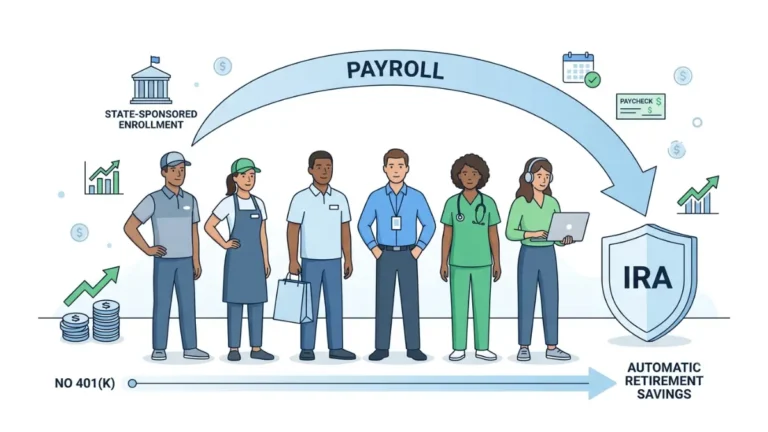
No 401(k)? A state auto-IRA can auto-start your retirement savings — but its Roth setup may block the 2027 Saver’s Match worth up to $1,000.
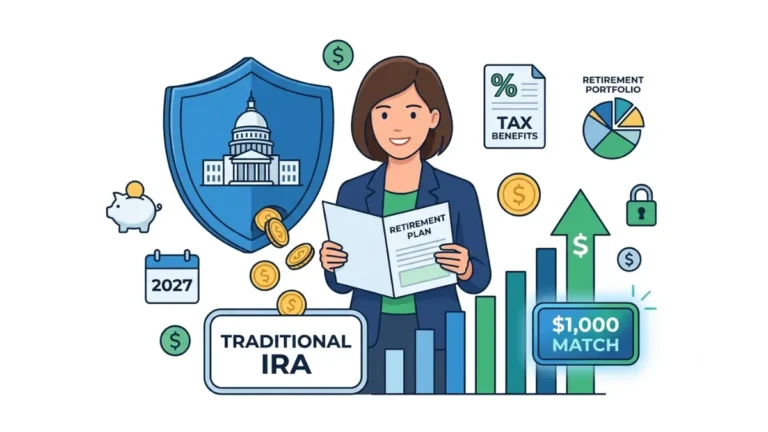
The 2027 Saver’s Match turns $2,000 in contributions into $3,000 — but one Roth account rule can cost you the entire $1,000.
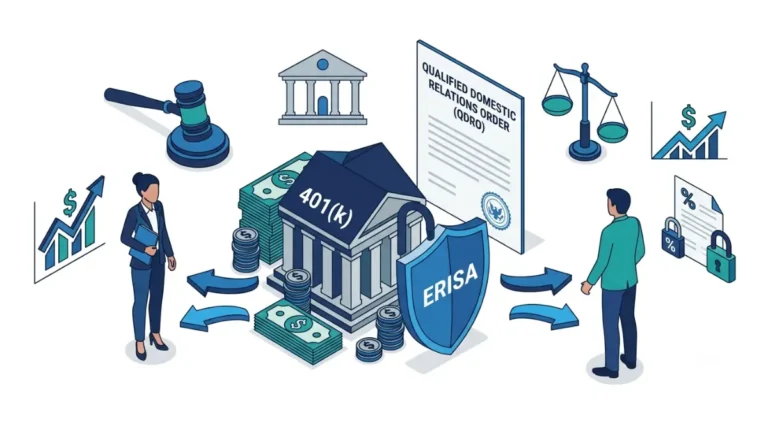
A 401(k) divorce split needs a QDRO—and the receiving spouse avoids the 10% early-withdrawal penalty, even under age 59½.
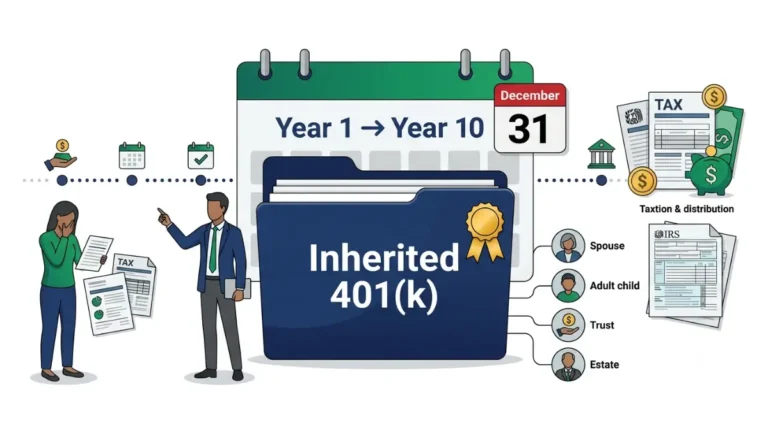
Inherited 401(k) rules trip up most heirs on one point: whether you owe a withdrawal every year, or can wait until year 10. The answer hinges on one date.
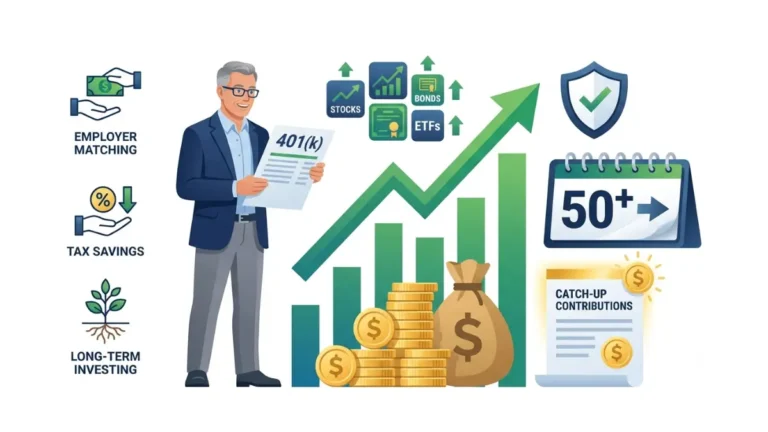
Catching up on retirement after 50 isn’t hopeless—2026 hands you an extra $8,000 in 401(k) catch-up room, and a new Roth rule hits earners over $150,000.
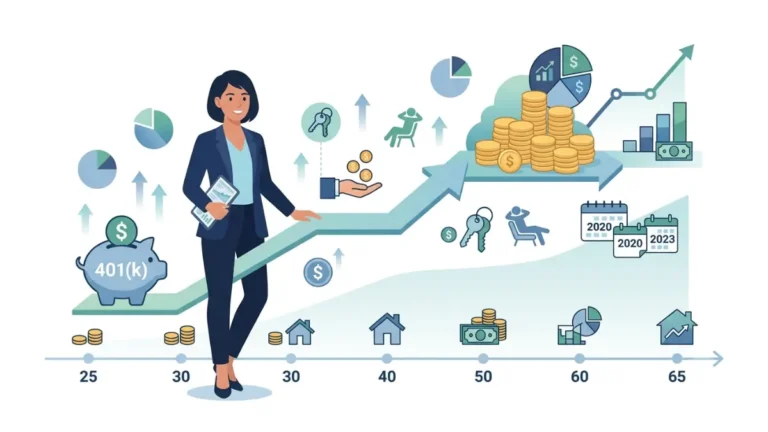
A 401(k) in your 20s has one edge nothing later can match: time. Here’s how the 2026 limit, the employer match, and compounding actually build a balance.

Most 401(k) fees are invisible—skimmed from your returns before you ever see them. The average is just 0.26%; here’s how to find yours and pay less.