A Clear Look at the Backdoor Roth IRA for High Earners
The backdoor Roth IRA is legal in 2026 and moves after-tax money into a Roth in two steps—but one rule decides whether you owe tax on the conversion.

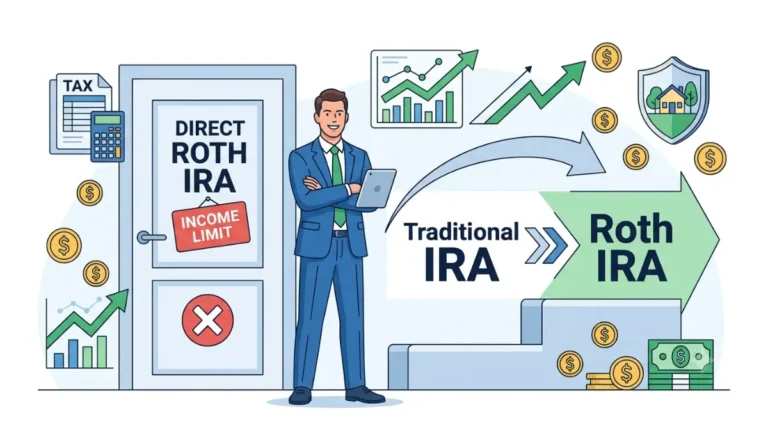
The backdoor Roth IRA is legal in 2026 and moves after-tax money into a Roth in two steps—but one rule decides whether you owe tax on the conversion.

Your 2026 IRA contribution deadline is April 15, 2027, but you can fund it as early as January 2026—and a tax extension buys no extra time.
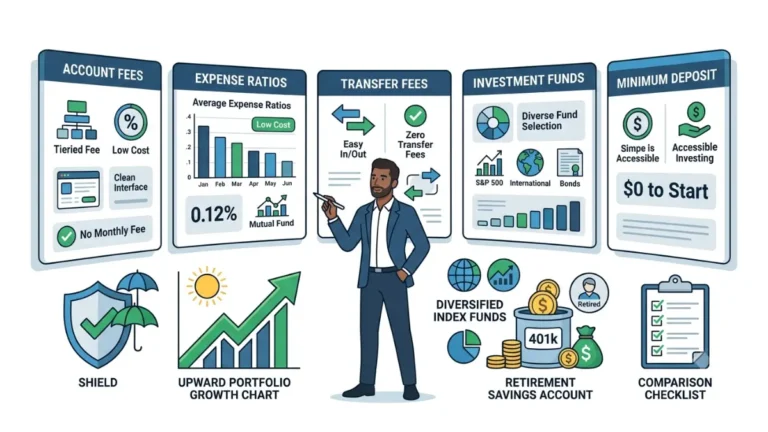
The best IRA account isn’t about commissions — those are $0 everywhere. It’s fees, fund costs, and the $100 exit fee most guides never mention.

Opening an IRA takes about 20 minutes—but the step most people skip is the one that actually grows their money. Here’s the full 6-step path for 2026.
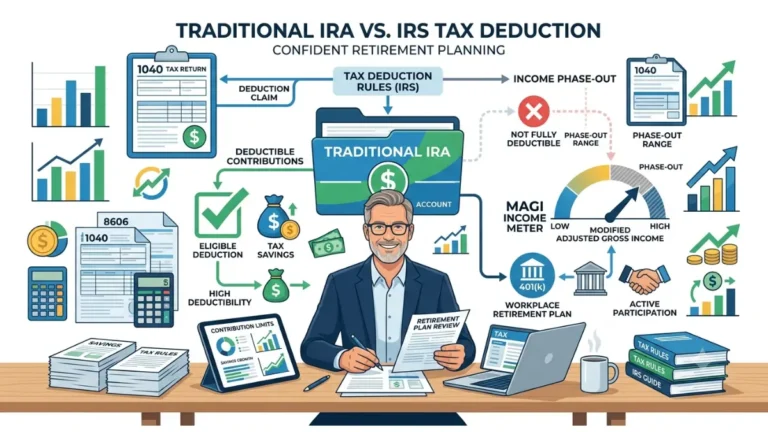
Traditional IRA deduction income limits trip up savers: past $91K (single) the deduction disappears, but you can still contribute. Here’s the difference.
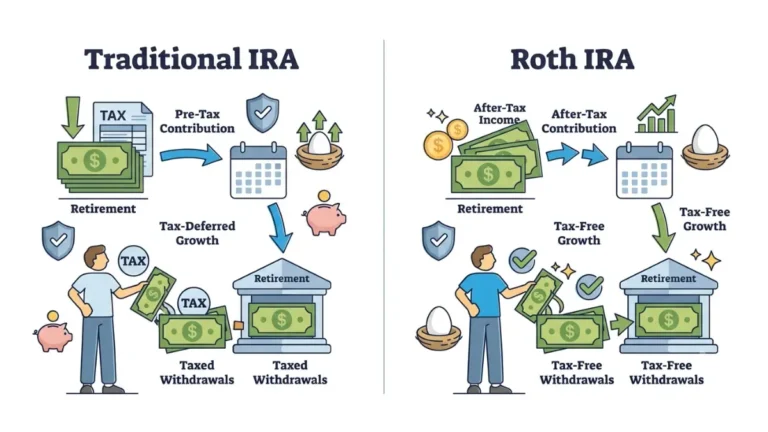
Roth vs traditional IRA comes down to one question about taxes—now or later. See the 2026 income limits, who can still deduct, and the 4-question test.
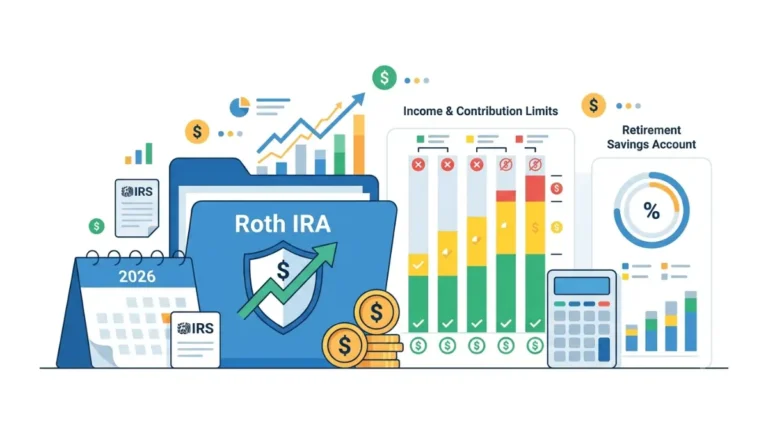
Roth IRA income limits rose for 2026: singles phase out from $153,000, couples $242,000. See the exact amount the IRS worksheet allows at your income.
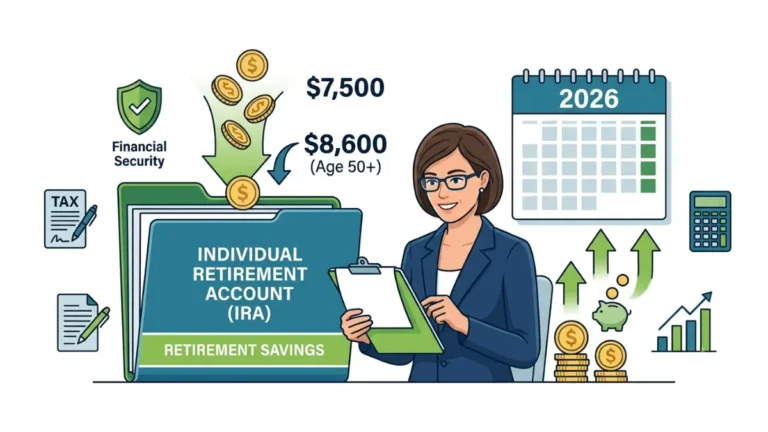
IRA contribution limits rose for 2026: $7,500, or $8,600 at 50+. Your income decides if you can use a Roth or deduct a Traditional. See where you stand.
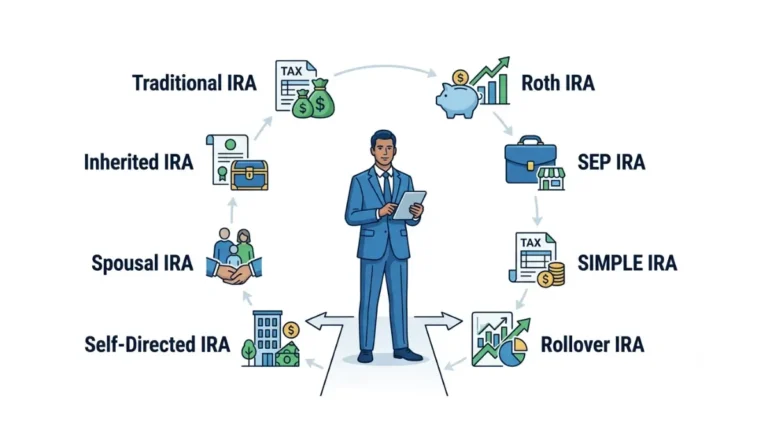
IRA accounts face four income tests, not one. And 2026 is the last year the Saver’s Credit applies to them. See which of the 5 types your income allows.
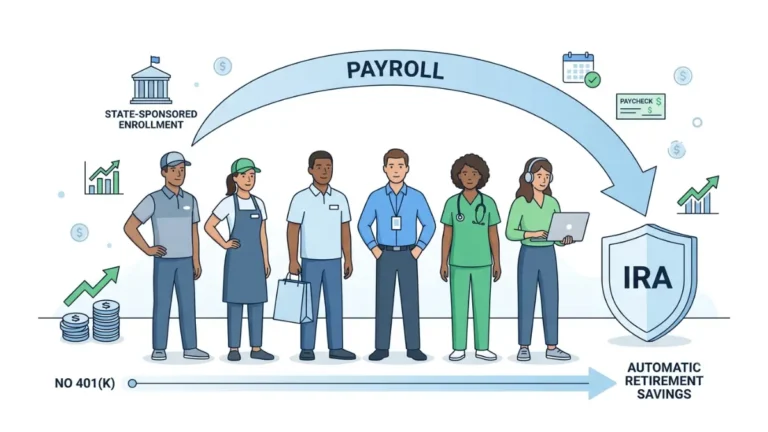
No 401(k)? A state auto-IRA can auto-start your retirement savings — but its Roth setup may block the 2027 Saver’s Match worth up to $1,000.