What Your Average 401(k) Balance by Age Really Means
The average 401(k) balance by age looks alarming — until you see the median. At $44,115, the typical account holds far less than headlines suggest.

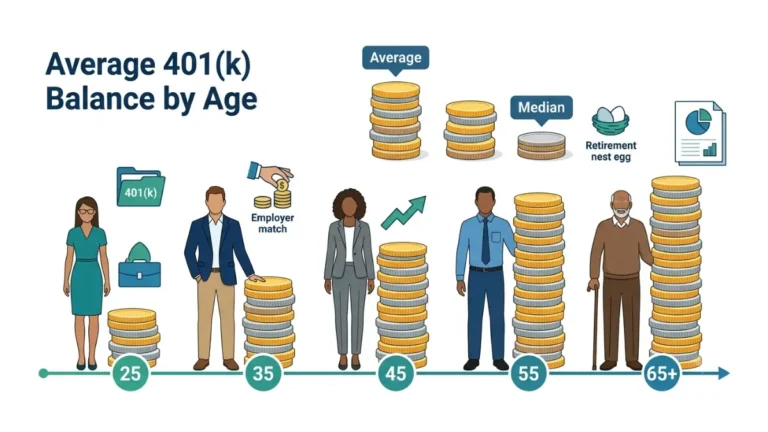
The average 401(k) balance by age looks alarming — until you see the median. At $44,115, the typical account holds far less than headlines suggest.
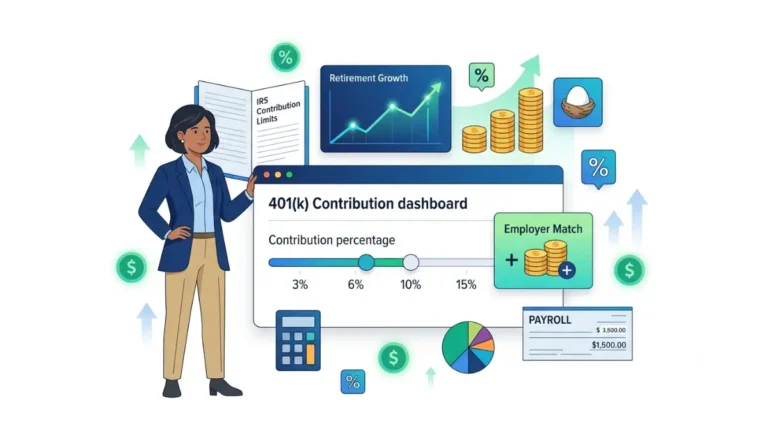
How much to contribute to a 401(k)? Most workers defer just 7.6% of pay—under the 15% research suggests. Here’s how to set the right rate for you.
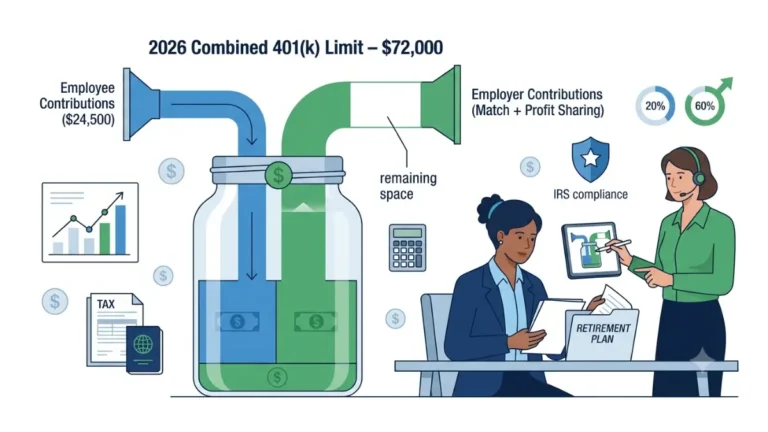
The 401(k) employer contribution limit isn’t a separate number. It’s what’s left of a shared $72,000 cap after your deferral — here’s how to find it.
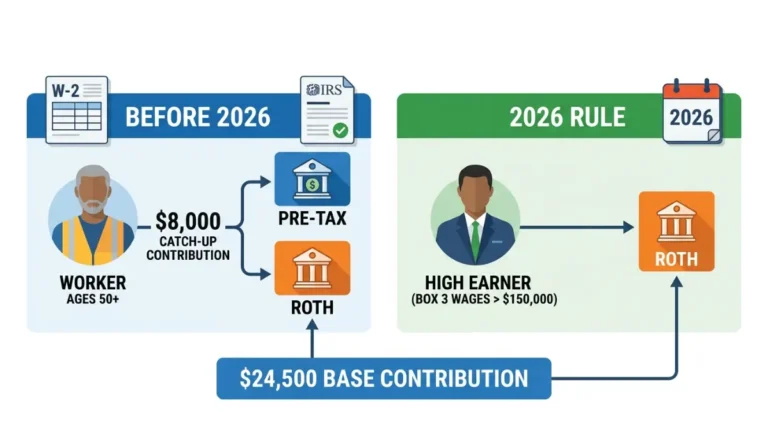
401(k) Roth catch-up rules changed in 2026: above $150,000 in 2025 wages, your catch-up must go Roth. Here’s how to tell if the line reaches you.
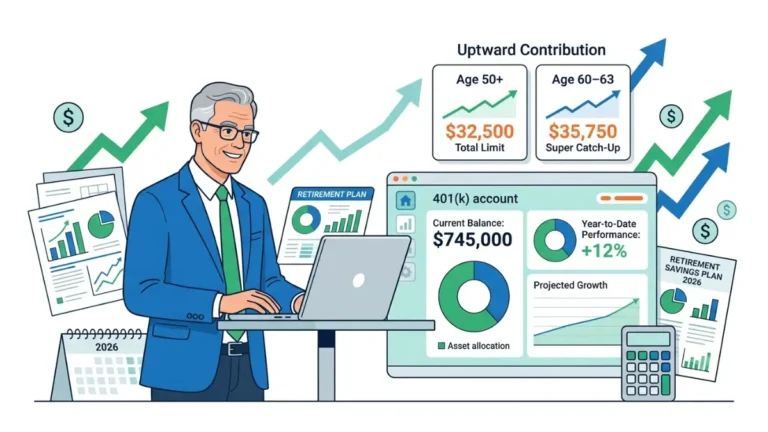
401(k) catch-up contributions rose for 2026 — but the super catch-up didn’t. See what each age can add and the Roth rule high earners can’t miss.
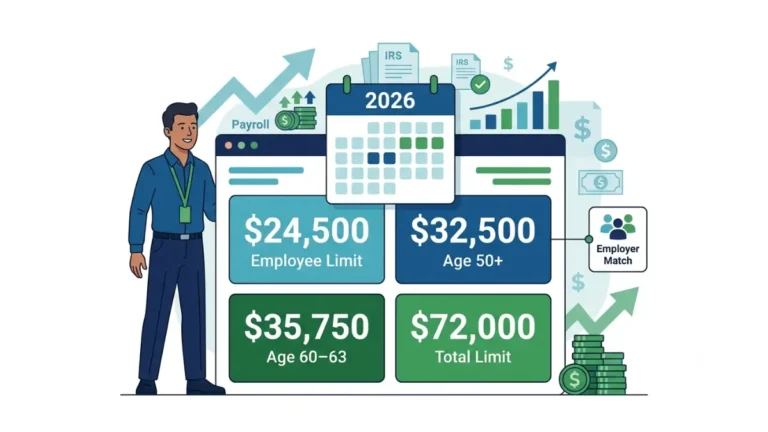
The 2026 401(k) contribution limits brought a $1,000 increase—but a quieter SECURE 2.0 change now requires high earners to make catch-ups Roth this year.
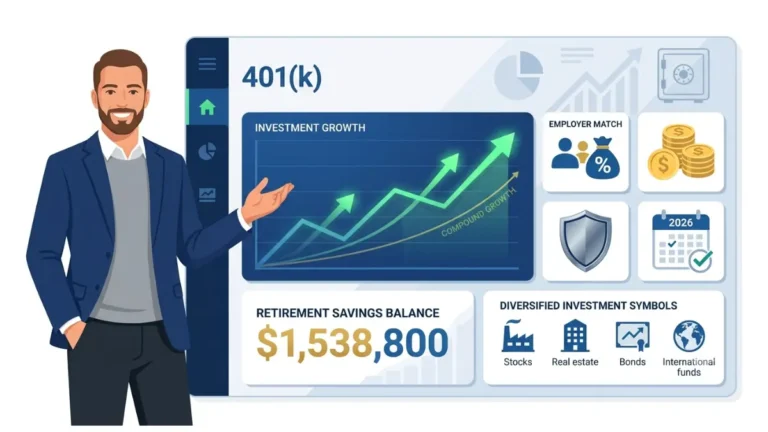
contribution limits rose to $24,500 for 2026—but the bigger story is the new $150,000 Roth catch-up rule that many high earners will miss.
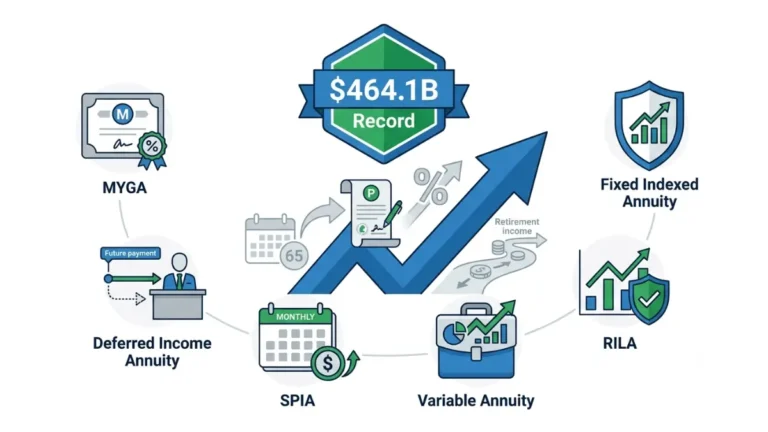
Annuity sales just set a record at $464.1 billion — but the headline number hides what’s really driving the boom, and what it means for your retirement.
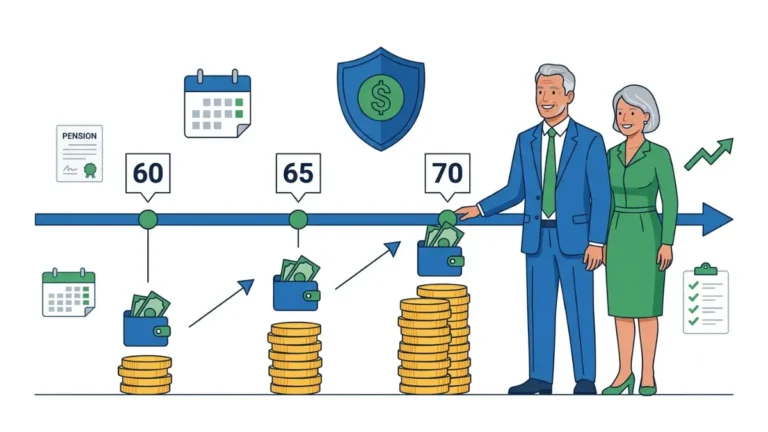
The best age to buy an annuity is really a bet on how long you’ll live — waiting to 70 only wins if you pass ~84. Here’s the break-even, by age.
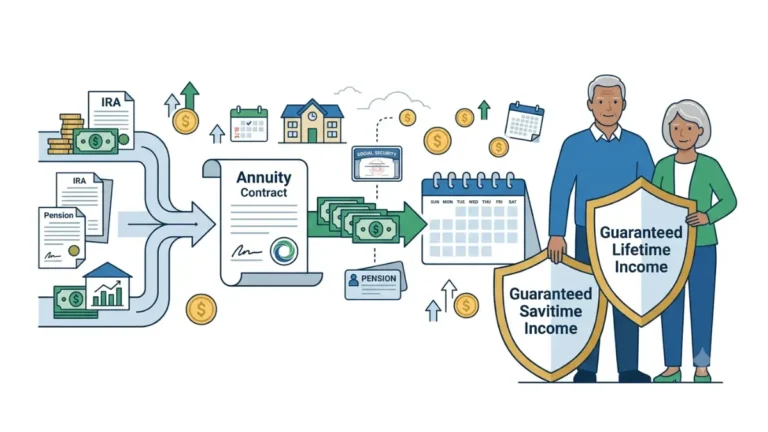
Annuities for retirement income can do more than pay for life — a QLAC lets you defer required IRA withdrawals to age 85. See how much to annuitize.