No 401(k) at Work? Smart State Auto-IRA Options
No 401(k)? A state auto-IRA can auto-start your retirement savings — but its Roth setup may block the 2027 Saver’s Match worth up to $1,000.
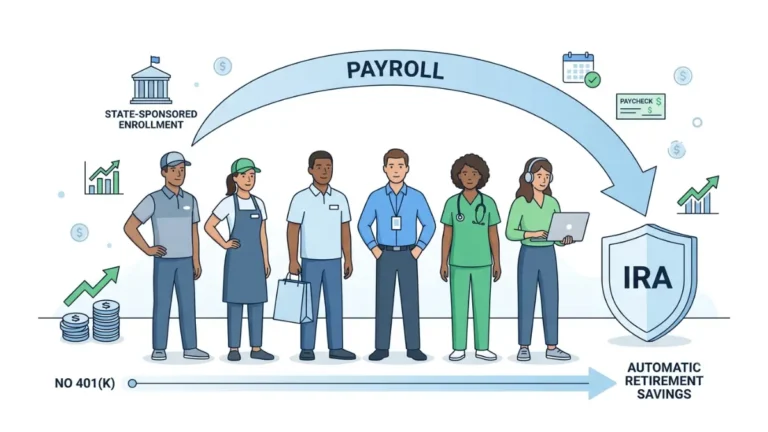
No 401(k)? A state auto-IRA can auto-start your retirement savings — but its Roth setup may block the 2027 Saver’s Match worth up to $1,000.
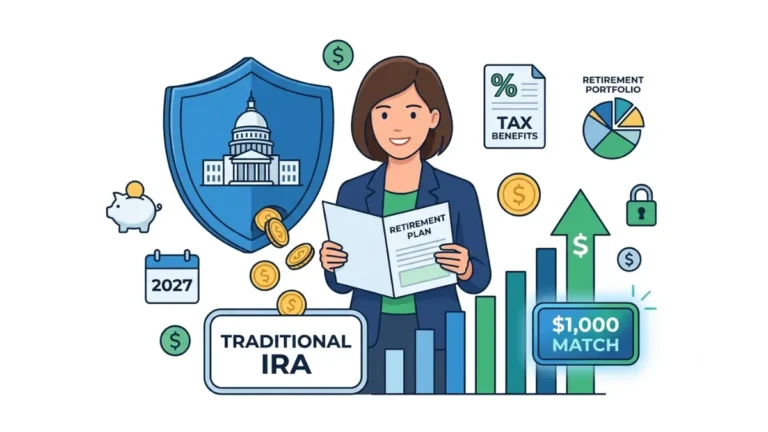
The 2027 Saver’s Match turns $2,000 in contributions into $3,000 — but one Roth account rule can cost you the entire $1,000.
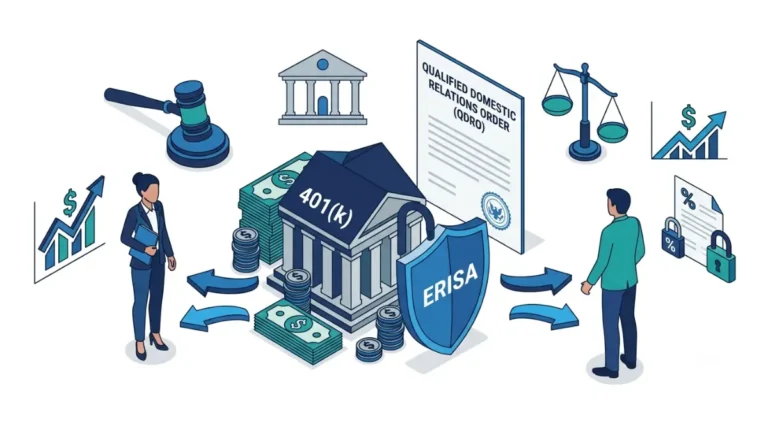
A 401(k) divorce split needs a QDRO—and the receiving spouse avoids the 10% early-withdrawal penalty, even under age 59½.
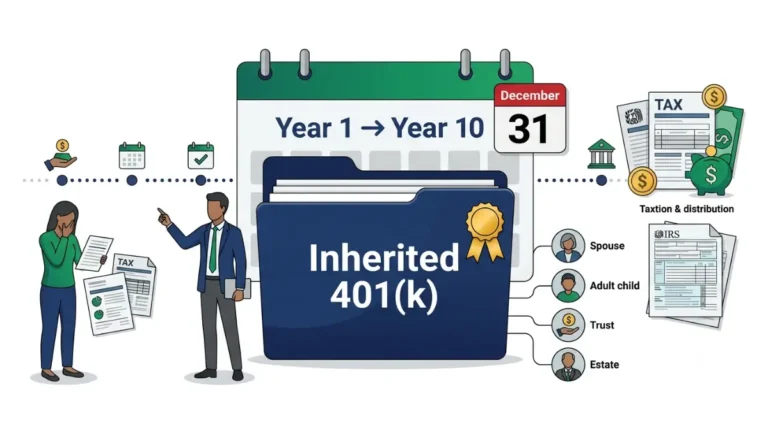
Inherited 401(k) rules trip up most heirs on one point: whether you owe a withdrawal every year, or can wait until year 10. The answer hinges on one date.
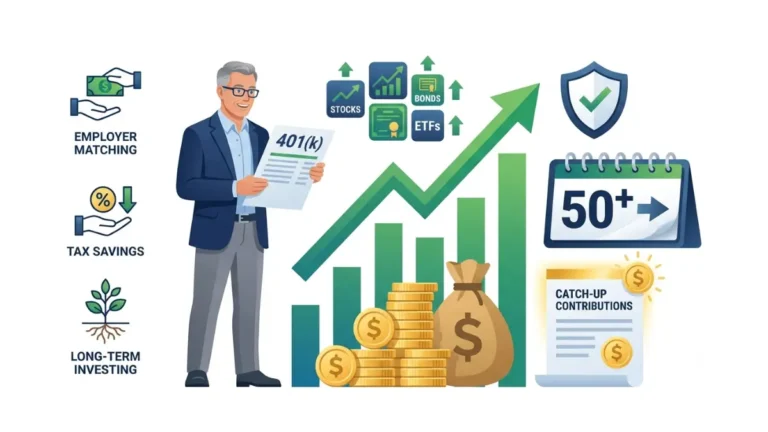
Catching up on retirement after 50 isn’t hopeless—2026 hands you an extra $8,000 in 401(k) catch-up room, and a new Roth rule hits earners over $150,000.
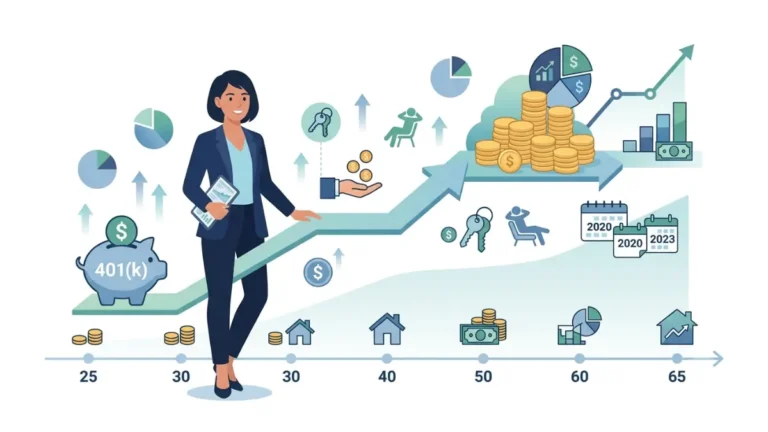
A 401(k) in your 20s has one edge nothing later can match: time. Here’s how the 2026 limit, the employer match, and compounding actually build a balance.
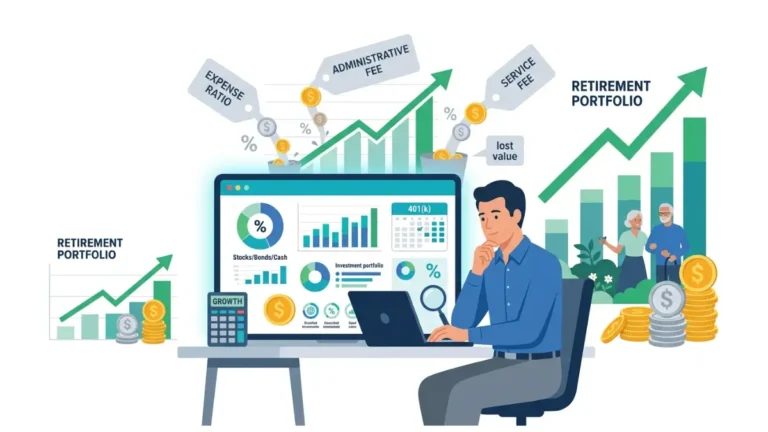
Most 401(k) fees are invisible—skimmed from your returns before you ever see them. The average is just 0.26%; here’s how to find yours and pay less.
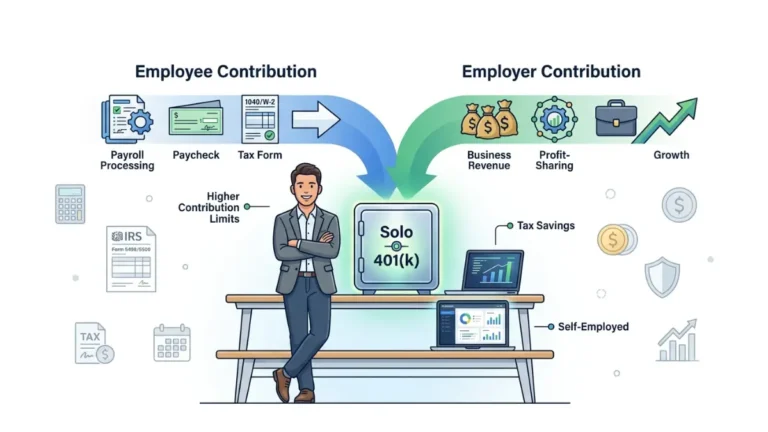
A self-employed solo 401(k) can take up to $72,000 in 2026 — but the employer piece is ~20% of net earnings, not the 25% most people assume.
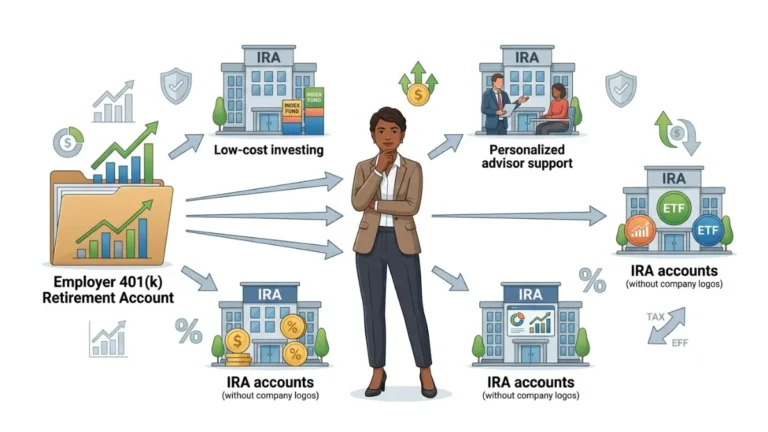
The best place to roll over a 401(k) isn’t one broker — it’s the one matching your goal. Compare five on cost, support, and a 1% match.
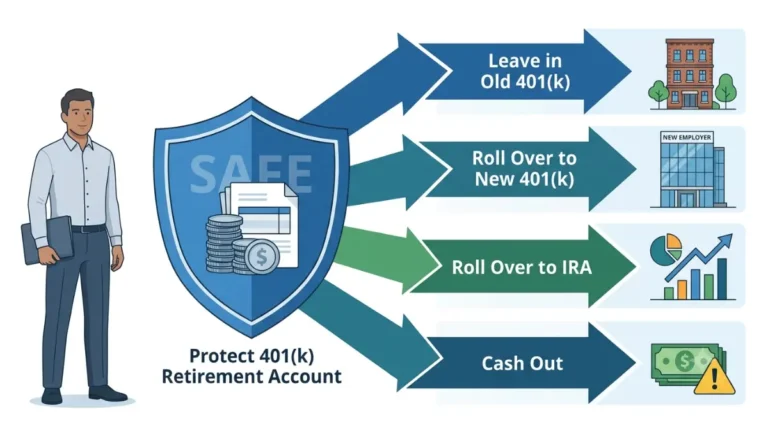
When you’re laid off, your 401(k) doesn’t disappear—but one wrong move can cost you a 10% penalty plus 20% withholding. Here’s what to do first.