What Annuity Fees Really Cost, From M&E to Commissions
Annuity fees hide in plain sight. In a 2026 FINRA case, switching annuities cost 114 savers an average of $8,718.86 each. See every annuity fee.


Annuity fees hide in plain sight. In a 2026 FINRA case, switching annuities cost 114 savers an average of $8,718.86 each. See every annuity fee.
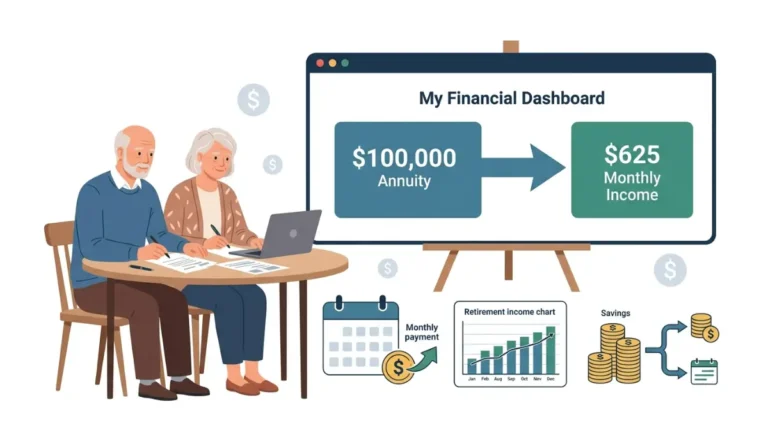
A $100,000 annuity can pay roughly $530 to $1,080 a month—but the figure swings on your age, your payout choice, and what the IRS treats as taxable.

Annuity rates are near 15-year highs and top MYGAs now out-yield CDs — but the highest advertised rate isn’t always the best deal.

A deferred income annuity is the closest thing to a pension you can buy yourself, and a 2026 QLAC can hold up to $210,000. Here is how the math works.

A MYGA works like a CD from an insurer—fixed rate, tax-deferred growth—but it isn’t FDIC-insured. Here’s how the two really compare.
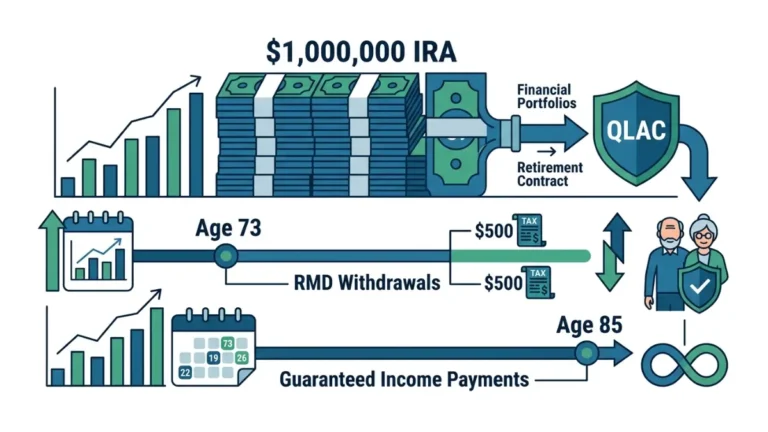
The QLAC premium cap rose to $210,000 for 2026, and the old 25%-of-balance rule is gone — here’s how the move actually shrinks your RMDs, with the math.

Deferred annuities set a sales record in 2025, yet most buyers miss one rule: nonqualified contracts have no RMDs, while IRA-held ones start at 73.

An immediate annuity turns a lump sum into lifetime income, but what you keep depends on taxes and the insurer. See what $100K really buys at 65.

A RILA annuity limits losses with a buffer, but a cap limits your gains in return—and you can still lose money beyond the buffer. Here’s the honest math.
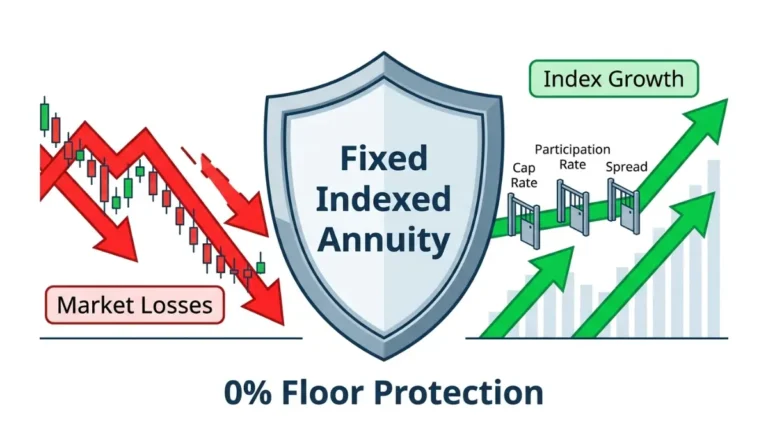
Fixed indexed annuities hit a record $127.9B in 2025 — but the 0% floor that attracts buyers comes with caps that limit your real return.